
































USDA to Release November Crop Supply/Demand Report Despite Government Shutdown
The United States Department of Agriculture (USDA)’s National Agricultural Statistics Service (NASS) announced it will release its key monthly crop supply and demand data in November, even amid a U.S. federal government shutdown. The report will provide the first official estimates for 2025 corn and soybean production in the Midwest.

The USDA’s National Agricultural Statistics Service (NASS) has confirmed that its long-awaited November Crop Production and World Agricultural Supply and Demand Estimates (WASDE) reports will be released despite the ongoing U.S. federal government shutdown. These monthly updates are critical benchmarks for domestic and global agricultural markets, offering the first official figures for the 2025 U.S. corn and soybean crops since the main harvest concluded.
In previous years, the September and October reports offered preliminary estimates, but this year’s delays stem from the shutdown which began on October 1. With many federal employees furloughed, the USDA faced uncertainty around data release. NASS’s decision to proceed underscores the agency’s recognition of the broader ramifications for commodity markets—corn and soybean futures already reacted following the announcement, reflecting farmers’ and traders’ anxiety.
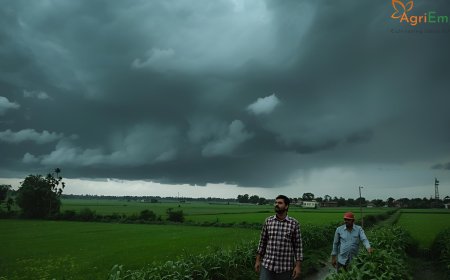
The 2025 Midwest harvest faced headwinds from erratic weather, including above-average rainfall in some states and early frost threats in others. Crop scouts and farmer posts on social media suggested yield expectations may be lower than earlier projections. The upcoming USDA report will help clarify those discrepancies and guide farming operations, export commitments, and risk management.
Market participants are keenly watching for any indication of production slip-ups, as lower yields would tighten global supply and push up commodity prices, benefiting exporters but adding cost pressures for consumers. At the same time, farmers face high input costs—fertilisers, fuel and labour—that have compressed margins. The USDA figures may influence both trade policy and crop-insurance frameworks.
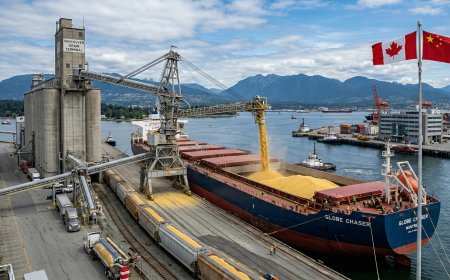
For the international community, U.S. crop data carries weight. America remains a leading supplier of corn and soybeans to key global markets such as China, Mexico and the European Union. Transparent and timely data release despite government disruptions reassures importing nations and can stabilize volatile markets. As such, stakeholders from farm groups to global food-security agencies are tracking the report closely.