










Maharashtra Grants Agriculture Status to Livestock Sector, Boosting Rural Entrepreneurship
The Maharashtra government has granted official agriculture status to the livestock sector, enabling easier credit access, subsidies, and policy benefits for animal husbandry farmers. The decision, announced at the Maha Livestock Expo 2026 in Parli Vaijnath, aims to strengthen rural entrepreneurship and enhance livestock productivity.

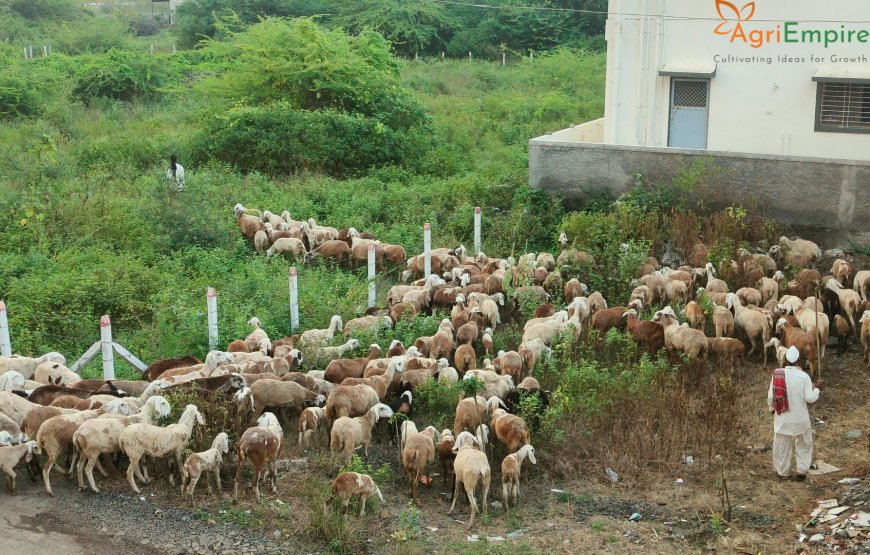
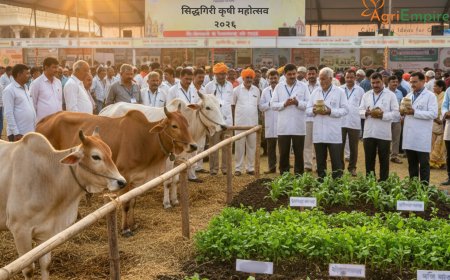
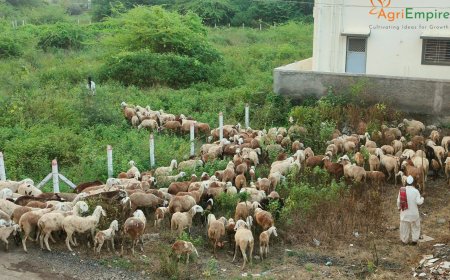
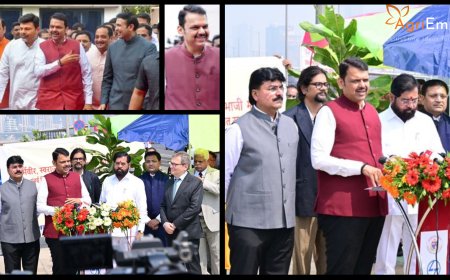
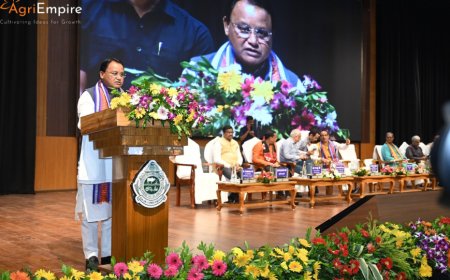
The Maharashtra government has officially granted agriculture status to the livestock sector, marking a significant policy shift aimed at strengthening rural livelihoods. With this recognition, livestock farming — including dairy, poultry, goat rearing, and other allied activities — will now receive the same institutional and financial benefits traditionally available to crop farmers. The announcement was made during the Maha Livestock Expo 2026, highlighting the state’s commitment to expanding agricultural growth beyond conventional crop cultivation.
By granting agriculture status, livestock farmers will gain improved access to agricultural loans at concessional interest rates. Previously, many animal husbandry entrepreneurs faced challenges in obtaining affordable credit, as their activities were not always categorized under mainstream agriculture. This change enables easier financing for infrastructure such as dairy sheds, feed storage units, breeding facilities, and modern veterinary services. The move is expected to encourage more rural youth to consider livestock farming as a viable business opportunity.
The policy also includes wider subsidy support, with officials highlighting provisions such as up to 50 percent assistance for selected livestock-related services and infrastructure development. Financial support for fodder cultivation, improved breeding programs, vaccination drives, and cold-chain facilities can significantly enhance productivity. Strengthening the livestock ecosystem not only improves farmer incomes but also ensures a stable supply of milk, meat, and poultry products in the state.
Recognizing livestock as an integral part of agriculture reflects the evolving nature of rural economies. In many parts of Maharashtra, income from dairy and allied activities often supplements crop earnings, especially during drought years or market volatility. Diversified farm income sources provide financial stability and reduce risk exposure for small and marginal farmers. This decision aligns with broader strategies aimed at climate resilience and income diversification in the agricultural sector.
Overall, the policy reform is expected to boost rural entrepreneurship, generate employment opportunities, and increase value addition in animal-based industries. With better institutional support and financial inclusion, livestock farmers can scale their operations, adopt improved technologies, and contribute more effectively to the state’s agricultural growth. The recognition of livestock as a formal agricultural enterprise represents a progressive step toward inclusive and sustainable rural development.