













Area Under Cotton Cultivation Expands in Pune District – Daund Taluka Leads Growth
Cotton cultivation in Pune district has surged by 74% this year, with Daund taluka showing the highest growth. Favorable weather, better market access, and pest control support drive farmer interest.

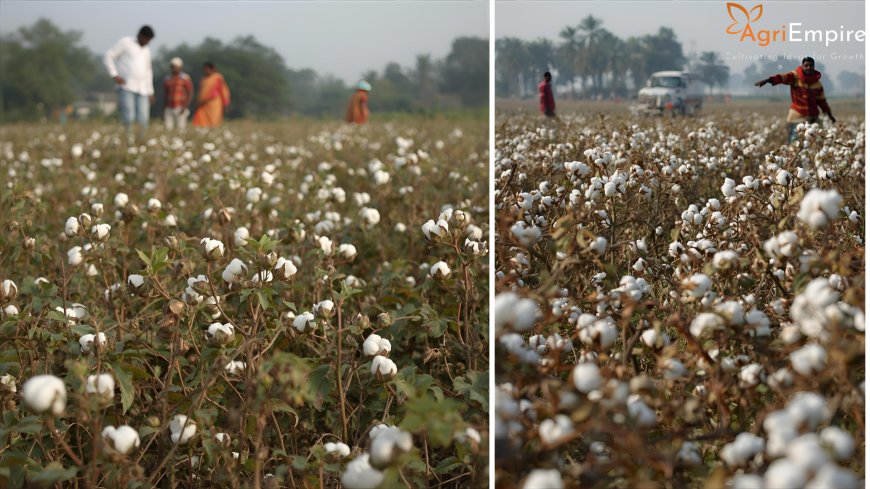
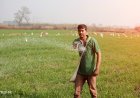
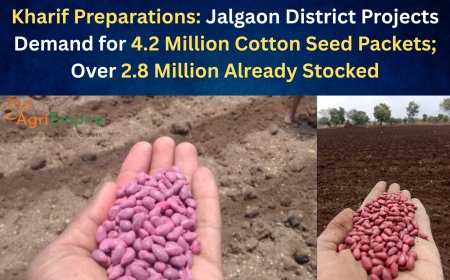
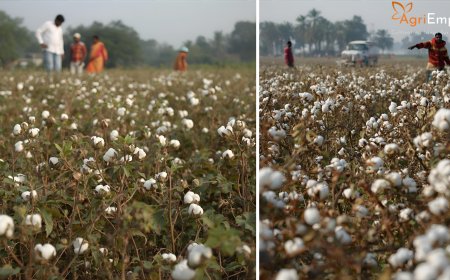
Cotton farming in Pune district has witnessed a remarkable surge during the current kharif season, marking a 74% increase in cultivation area compared to last year. The total cotton acreage has risen from 1,122 hectares to nearly 1,945 hectares. This expansion is being viewed as a positive development for both farmers and the regional agricultural economy, as cotton continues to hold a crucial place in India’s textile supply chain.
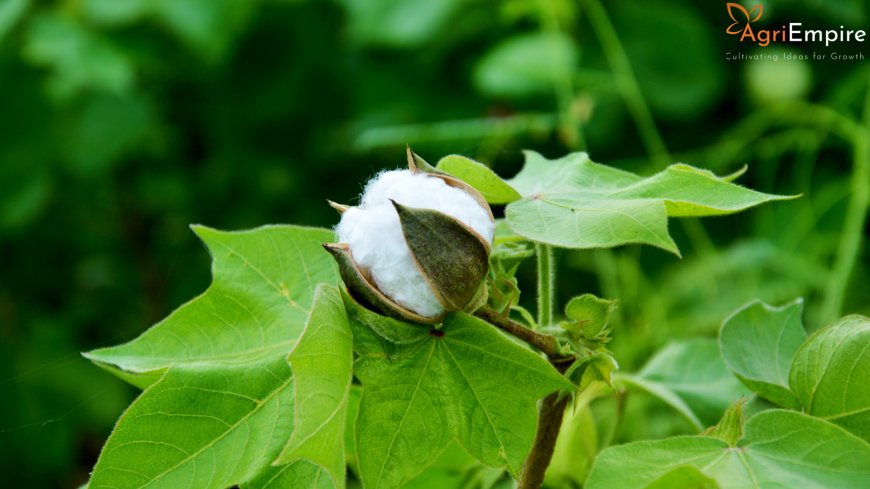
Among the talukas, Daund has emerged as the leader in cotton expansion. Farmers in this region, encouraged by favorable climatic conditions and steady demand in the market, have shifted towards cotton from other traditional crops. Officials note that Baramati, Shirur, and Indapur talukas have also reported encouraging trends, though Daund has clearly taken the lead. This diversification is being seen as an important step in enhancing farmer income stability.
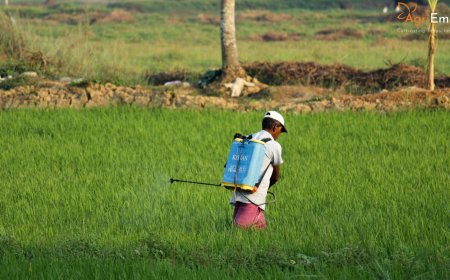
One of the major reasons for this sharp rise has been the combination of good rainfall patterns and government extension services aimed at pest and disease control. Cotton farmers have often been plagued by pink bollworm infestations and erratic monsoons, but timely interventions and awareness programs have helped build confidence this year. As a result, more farmers are investing in cotton cultivation with renewed optimism.
Market accessibility has also played a significant role in this expansion. With Pune’s proximity to key trading hubs and textile processing units, cotton growers find it easier to secure fair prices. In addition, the increased demand from spinning mills and exporters has given farmers assurance of a steady market. Agricultural experts suggest that if the government strengthens procurement mechanisms further, this momentum can continue for several more years.
Looking ahead, farmers are hopeful that the gains from cotton will improve their economic resilience. However, experts caution that long-term sustainability will require continuous pest monitoring, judicious fertilizer use, and better water management practices. If supported with robust policies and farmer training, Pune district’s cotton expansion could serve as a model for other regions in Maharashtra.