














Himachal Launches India’s First State-Supported Biochar Programme
Himachal Pradesh CM Sukhvinder Singh Sukhu has launched India’s first state-supported biochar programme. A plant will be set up in Neri (Hamirpur) within six months, aiming to reduce forest fires, generate carbon credits, and enhance livelihoods.

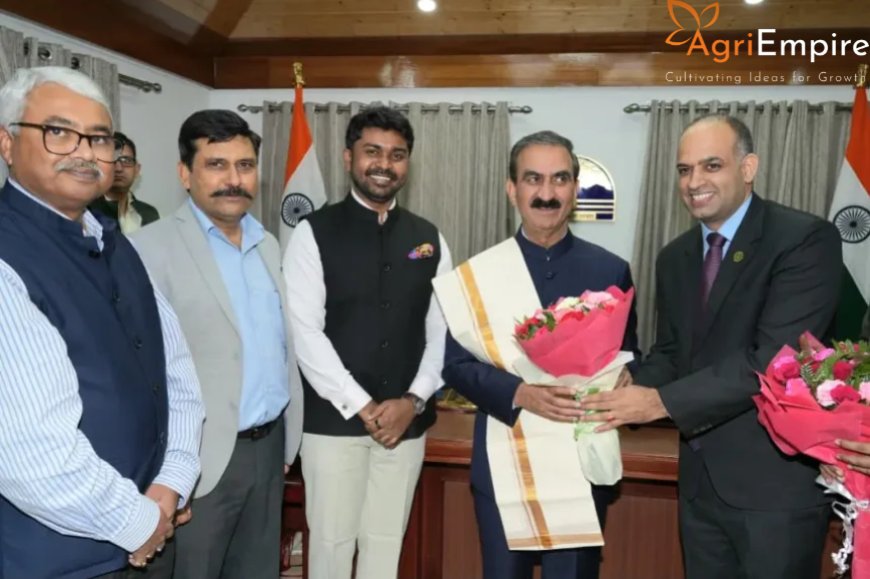
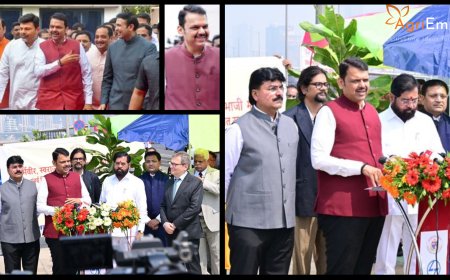
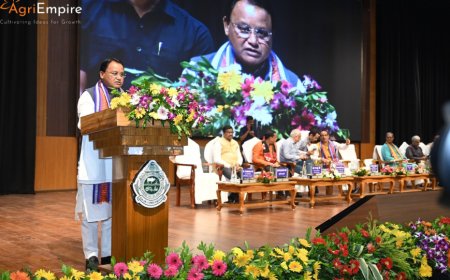
Shimla, In a landmark step towards climate resilience and sustainable rural livelihoods, Himachal Pradesh Chief Minister Sukhvinder Singh Sukhu launched the country’s first state-supported biochar programme. The initiative, described as a “model for green innovation in India,” aims to transform forest waste into a valuable resource while reducing wildfire risks and generating income for local communities.
Tripartite Agreement for Implementation
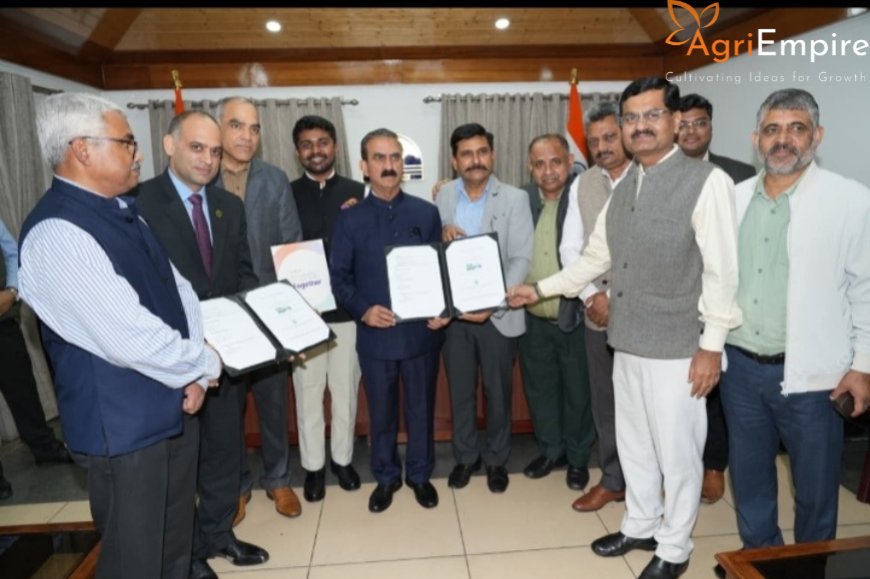
The programme will be executed under a tripartite memorandum of understanding between Dr Y.S. Parmar University of Horticulture and Forestry, the State Forest Department, and Chennai-based ProClime Services Pvt. Ltd. A biochar plant will be established in Neri, Hamirpur district, within six months. The university has allocated three acres of land for the project, while the Forest Department will oversee biomass collection in compliance with ecological norms.
Why Biochar?
Himachal’s pine forests produce thousands of tonnes of dry needles every year, which often fuel devastating wildfires. In addition, invasive species like lantana and excessive bamboo growth choke natural ecosystems. Traditionally treated as waste, these materials will now be converted into biochar—a carbon-rich substance produced by controlled pyrolysis.
Biochar not only improves soil fertility and water retention but also acts as a long-term carbon sink, contributing to global climate mitigation efforts.
Community Participation and Employment
The programme places local communities at its heart. Villagers who collect forest biomass will be paid ₹2.50 per kilogram, with additional performance-linked incentives. Officials estimate the scheme will generate around 50,000 person-days of employment annually, offering much-needed livelihood opportunities in rural Himachal.
Jobs will also be created in plant operations, biomass supply chains, and research activities, making the project a source of both direct and indirect employment.
Economic and Environmental Gains
Over the next decade, the plant is projected to generate 28,800 carbon credits, which the state can trade on international markets to fund further green initiatives. By reducing forest fire risks, the programme is also expected to save crores worth of environmental and economic losses each year.
Training and Research
The University, in partnership with the Forest Department, will organize training sessions on safe biomass collection, climate-friendly farming practices, and the use of biochar in agriculture. Farmers will be encouraged to adopt biochar to enrich soil quality, reduce fertilizer dependency, and increase crop yields.
CM Sukhu’s Vision
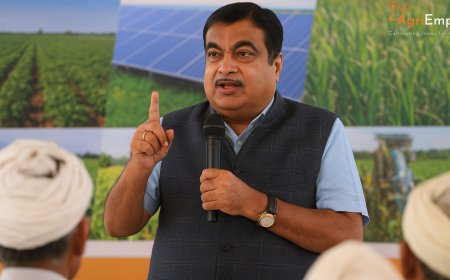
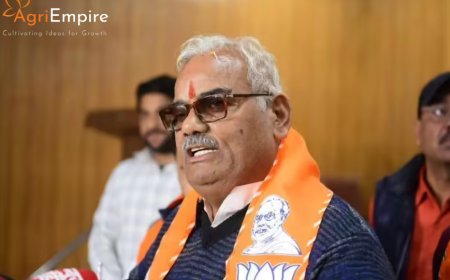
Speaking at the launch, CM Sukhu emphasized that the initiative aligns with Himachal’s goal of becoming a green energy state. He noted that biochar production represents a win-win solution: preventing forest degradation, fighting climate change, and providing steady income to local communities.
The Road Ahead
Officials hinted that if the Neri pilot proves successful, similar plants could be replicated across other districts, especially those prone to wildfires. The government also plans to explore partnerships with private players and research institutions to expand the state’s bio-economy.
Benefits at a glance:
-
Reduces forest fire risks
-
Enhances soil fertility and productivity
-
Generates carbon credits for environmental and economic gains
-
Provides rural employment and skill-building opportunities