












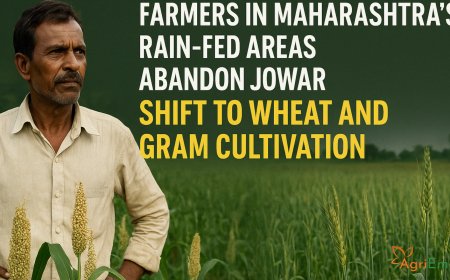







Farmers in Maharashtra’s Rain-fed Areas Abandon Jowar, Shift to Wheat and Gram Cultivation
Due to changing rainfall patterns and repeated crop failures, farmers in Maharashtra’s semi-arid and rain-fed regions are gradually moving away from traditional jowar cultivation. Instead, they are opting for wheat and gram, which are proving more resilient and profitable in the changing climate conditions.

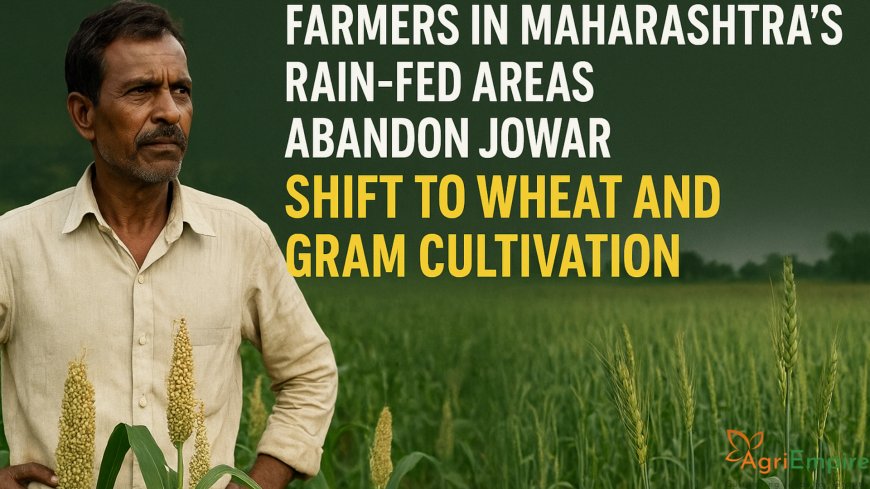
Farmers in Maharashtra’s Marathwada, Vidarbha, and Western Maharashtra regions are increasingly shifting away from traditional jowar (sorghum) cultivation due to erratic rainfall and low yields. Once considered a lifeline crop for dryland areas, jowar has been hit hard by changing monsoon cycles, making it a less reliable source of income for rural cultivators.
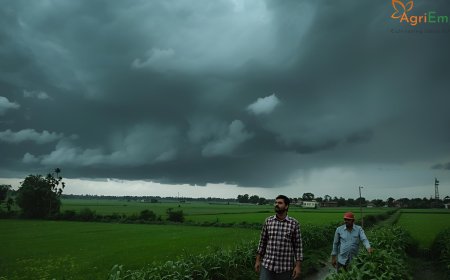
Agricultural experts attribute this trend to climate instability, soil degradation, and market fluctuations. The jowar crop, which depends heavily on consistent rainfall during the Kharif season, has suffered repeated damage in recent years due to delayed or excessive rains. As a result, many farmers are now turning to Rabi crops like wheat and gram, which require less water and offer higher returns under government procurement schemes.
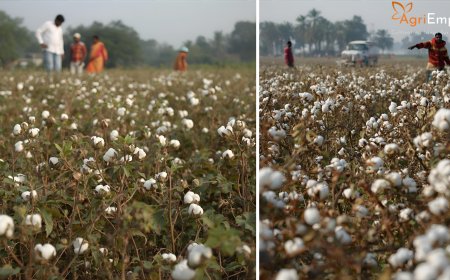
In districts like Beed, Osmanabad, Solapur, and Ahmednagar, the shift is clearly visible. Farmers report that wheat and gram not only withstand unpredictable weather but also require lower investment in fertilizers and pesticides. These crops have also found better demand in both domestic and export markets, ensuring a steadier income even in years of poor rainfall.
Officials from the Maharashtra Agriculture Department have confirmed that over 25–30% of jowar cultivation area in some talukas has now been replaced by other crops. While experts welcome this as a sign of adaptation, they also warn of potential soil nutrient imbalance and loss of traditional food diversity if the trend continues unchecked. Sustainable crop rotation and soil health management are being recommended.
Farmers’ organizations are urging the government to introduce climate-smart farming programs, promote drought-resistant jowar varieties, and ensure timely irrigation support in rain-fed zones. “Our traditions are changing, but we must not lose our native crops,” said one farmer from Latur. As Maharashtra faces recurring climate stress, the balance between profit and sustainability has become the new agricultural challenge.