











Global Fertilizer Crisis Intensifies: Strait of Hormuz Closure Disrupts Spring Seeding in US, Canada, and Australia
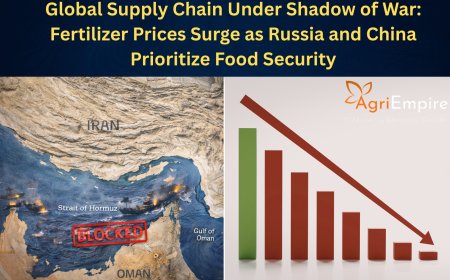
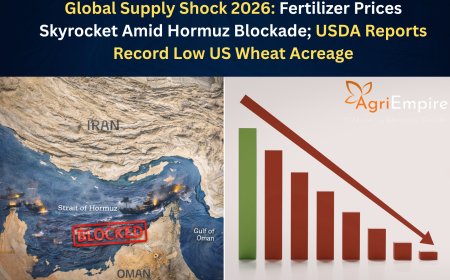
A major geopolitical crisis in the Middle East has led to the effective closure of the Strait of Hormuz as of late March 2026, triggering a global fertilizer shock. Agricultural markets in the US, Canada, and Australia are facing soaring input costs and supply shortages just as the spring planting season begins, threatening global grain production for the 2026-27 cycle.

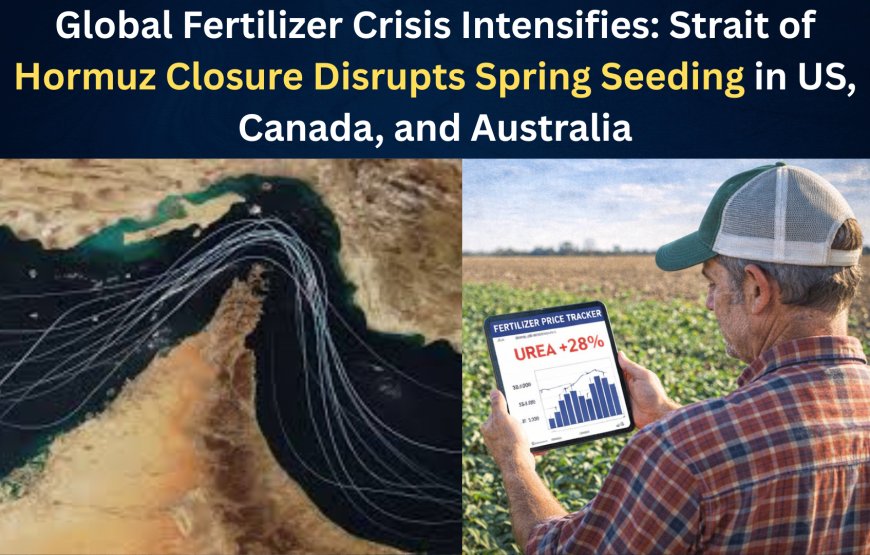
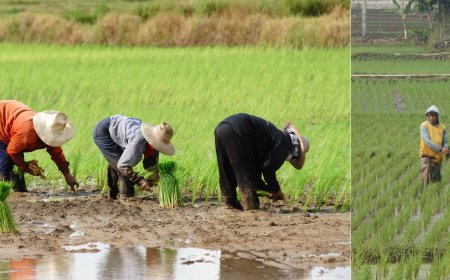
The international agricultural landscape has been thrown into turmoil this week following the escalation of tensions in the Persian Gulf, specifically the closure of the Strait of Hormuz. This waterway is a critical artery for global fertilizer exports, particularly nitrogen-based products like urea and ammonia. As of March 25, 2026, urea prices have surged by more than 28% in just three weeks, creating an immediate crisis for farmers in the Northern Hemisphere who are preparing for spring seeding. In the United States, the USDA has raised concerns that high input costs and potential shortages may force farmers to scale back corn and wheat acreage, which could jeopardize the projected record global wheat harvest of 842 million metric tons.
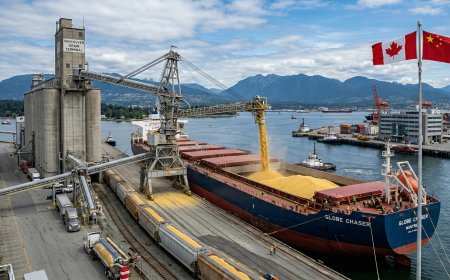
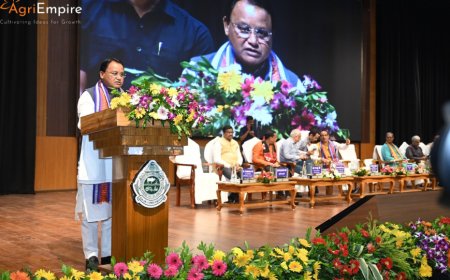
In Canada, the federal government has responded to the growing global market uncertainty by launching a $75 million Market Diversification Program to help exporters navigate trade barriers and supply chain disruptions. During the Agricultural Producers Association of Saskatchewan (APAS) summit held today, March 25, Canadian officials emphasized the need for "strategic resilience" as Prairie farmers face climbing farmland values alongside rising fertilizer and energy prices. Meanwhile, China has begun imposing quota limits on its own fertilizer exports to secure its domestic supply, further tightening the global market and leaving Southern Hemisphere farmers, particularly in Australia, struggling to source nitrogen for the next season.
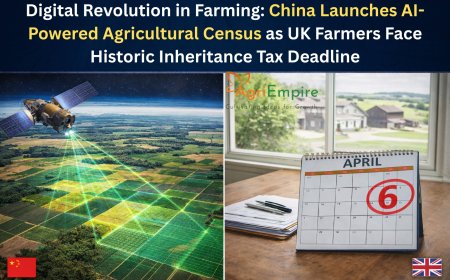
Across the Atlantic, the United Kingdom is navigating a different set of challenges as it officially commits to "dynamically align" with EU Sanitary and Phytosanitary (SPS) rules starting today. This move, aimed at reducing border friction, has sparked significant debate within the UK's National Farmers' Union (NFU). While alignment may ease plant health checks, experts warn it could cost the UK arable and sugar sectors up to £810 million in the first year due to the sudden loss of several active pesticide substances that are currently legal in Great Britain but banned in the EU. This regulatory shift is a critical inflection point for UK-EU trade relations post-Brexit.
In the Middle East, Israel continues to position itself as a global hub for "desert-to-AI" farming technology. At an international conference in Eilat, Israeli officials highlighted new AI-driven innovations designed to ensure food security in arid climates, even as regional conflict disrupts traditional supply chains. Israel has extended its expertise in smart irrigation and controlled environment agriculture (CEA) to international partners, arguing that technology is the only way to combat the 2026 climate crisis and rising global temperatures.
Finally, the Russia-China agricultural axis remains a dominant force in the 2026 market. Russia continues to be the world's largest wheat exporter, but the current logistical squeeze in the Gulf has caused wheat futures to climb back toward $5.90 per bushel. As China eases tariffs on Canadian products to balance its trade portfolio, the broader geopolitical landscape suggests that agricultural trade is increasingly being used as a tool for diplomatic leverage. For farmers worldwide, March 2026 is proving to be a month of extreme volatility, where local planting decisions are dictated by distant naval movements and high-stakes trade negotiations.