













The "Linking" Crisis: Fertilizer Dealers Face Financial Ruin Ahead of Kharif Season; Demand Urgent Policy Intervention
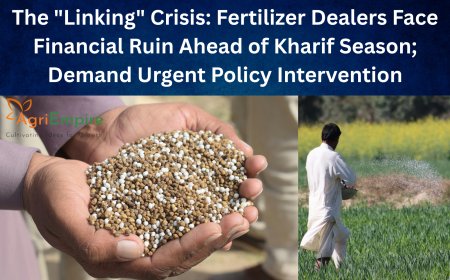
Agricultural input dealers in Maharashtra are currently trapped between manufacturer pressure and government regulations. Many fertilizer companies are allegedly forcing dealers to purchase slow-moving products (pesticides/micronutrients) as a condition for receiving urea or DAP, leading to unsold inventory and rising debt.

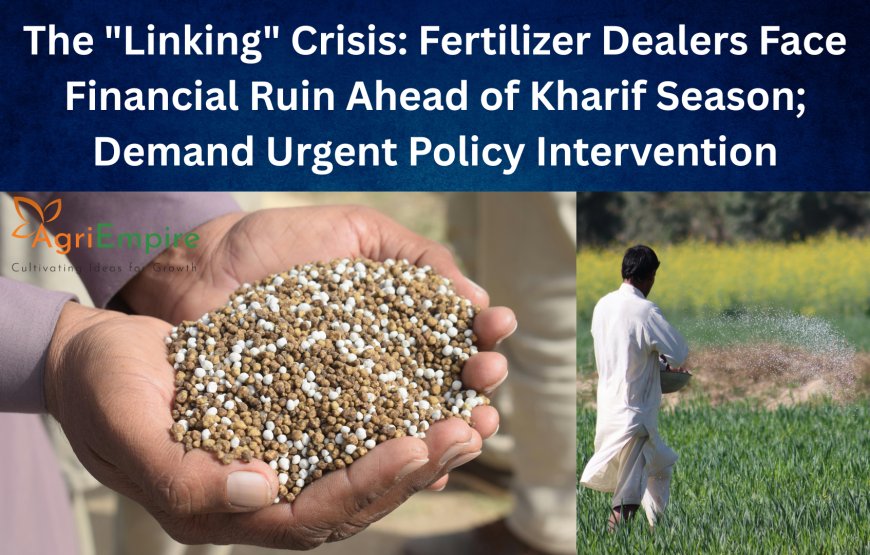
As the Kharif 2026 season approaches, the long-standing problem of "Linking" has reached a tipping point for fertilizer dealers across Maharashtra. Reports as of May 7, 2026, highlight that many dealers are on the verge of bankruptcy due to the coercive practices of fertilizer manufacturing companies. These companies often package essential, subsidized fertilizers like Urea or DAP with non-essential, expensive pesticides or micronutrients.
The dealers face a double-edged sword:
-
Financial Burden: To secure stocks of popular fertilizers, dealers are forced to take on high-interest loans to pay for linked products that farmers often do not want to buy. This unsold stock clutches their capital and increases the interest burden.
-
Regulatory Action: While companies force this linking, the state's Agriculture Department cracks down on dealers who try to pass these linked items to farmers. Dealers are penalized for a practice that often originates at the supply level.
In response to this crisis, the Maharashtra Fertilizers, Pesticides, and Seeds Dealers Association (MAFDA) recently organized protests and strikes, which were suspended only after government assurances. The Maharashtra government has now pledged to adopt a "UP-style model" to strictly ban the linking of non-subsidized products with subsidized fertilizers.
Dealers like Vikram Deshmukh from Karad emphasize that unless the government stops the linking at the manufacturing plant or distributor level, small retailers will continue to suffer. With urea stocks already reportedly 1.15 lakh tonnes lower than last year, there are fears that the scarcity will only intensify these unfair trade practices as the peak sowing window opens in June.