


























Modernize Your Harvest: A Technical Guide to Fruit Harvesting Tools for Efficiency and Quality
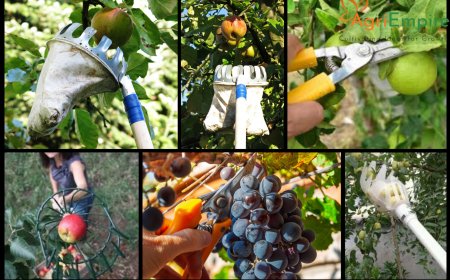
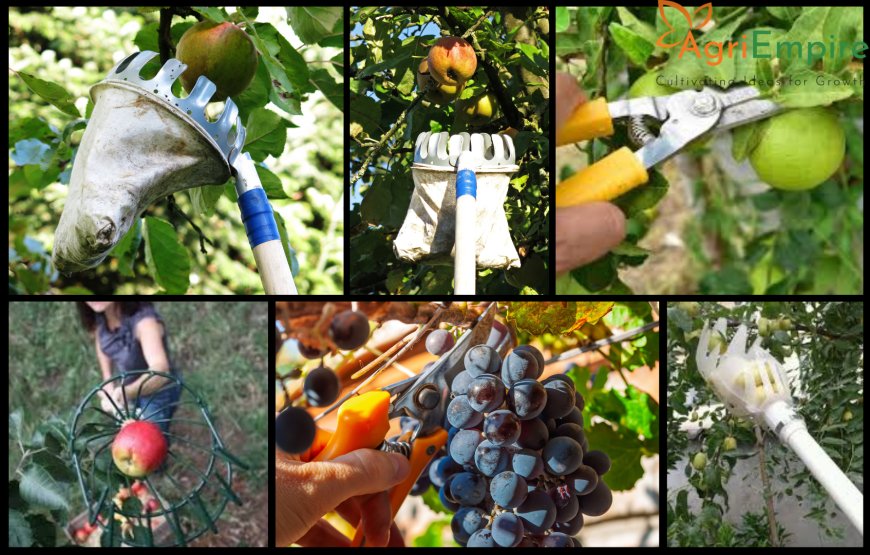
The efficiency of fruit harvesting tools depends on their design, weight, and material. This technical guide compares four major models—Traditional Bamboo, Aluminum Telescopic, Carbon Fiber, and Manual Trigger Cutters—to help farmers improve productivity.
The success of fruit farming is largely determined by the final stage: harvesting. Using the right tools not only speeds up the process but also prevents bruising and damage, ensuring a higher market price. According to agricultural experts, the efficiency of handheld harvesting tools is primarily based on their structure, weight, and the materials used in their construction.
Comparison of Harvesting Models
| Model Name | Material | Weight | Size/Length | Key Features |
| Traditional Bamboo (Jhela) | Bamboo & Iron Ring | 1.5 – 2.5 kg | 3 – 5 Meters | Cheap but heavy and difficult to handle; improved versions like 'Atul Chikoo Jhela' are more efficient. |
| Aluminum Telescopic | Aluminum | 0.8 – 1.2 kg | 2 – 6 Meters | Lightweight and rust-proof; adjustable length based on tree height. |
| Carbon Fiber Harvester | Carbon Fiber | 400 – 700 Grams | 3 – 8 Meters | Extremely light and strong; the best choice for large orchards. |
| Manual Trigger Cutter | Steel Blade & PVC Pipe | 1 – 1.5 kg | 2 – 3 Meters | Features a 'Trigger' system for precise cutting near the stem; safely holds the fruit after cutting. |
Choosing the Right Tool:
For small-scale farmers, the Improved Bamboo Jhela remains a cost-effective choice. However, for high-density or commercial orchards, the Carbon Fiber Harvester is revolutionary due to its ultra-lightweight nature, allowing farmers to work longer hours with minimal fatigue.
The Manual Trigger Cutter is specifically recommended for delicate fruits where the stem needs to be cut cleanly without pulling the fruit, which often causes damage to the tree's branches. By switching to these modern tools, farmers can significantly reduce post-harvest losses and improve the overall shelf life of their produce.