

















Policy Uncertainty Over HTBT Crops Hurting Agriculture; Farmers' Union Urges Nitin Gadkari for Regulatory Clarity
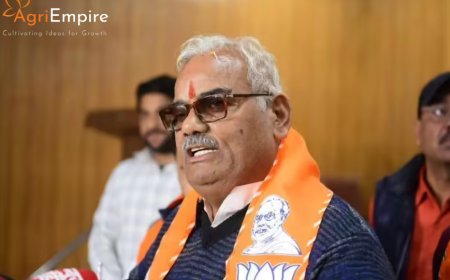
Ambiguity in the Central Government's policy regarding HTBT (Herbicide Tolerant) cotton, maize, and soybean is pushing the agriculture sector into a crisis. Against this backdrop, the Shetkari Sanghatana met Union Minister Nitin Gadkari to demand official recognition for this technology.

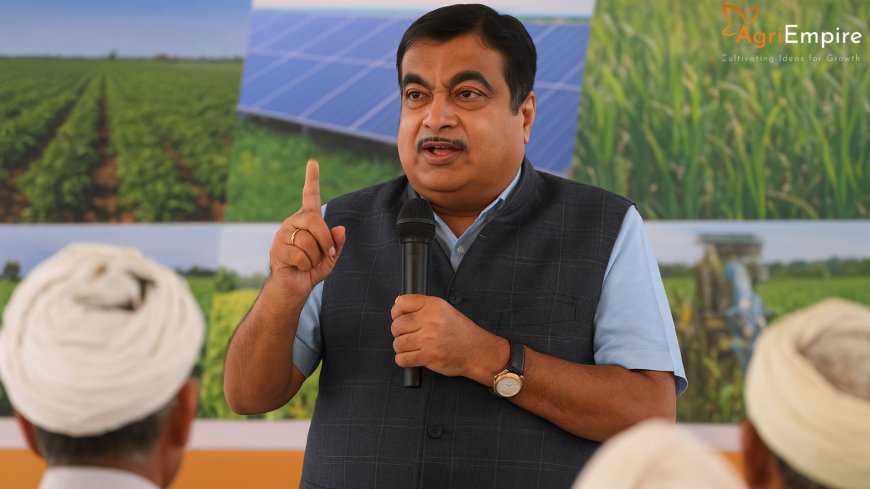
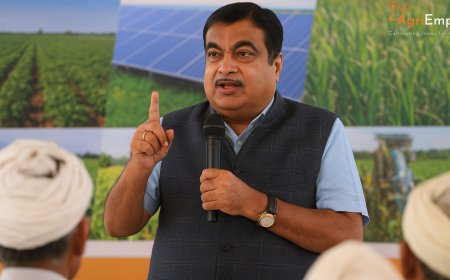
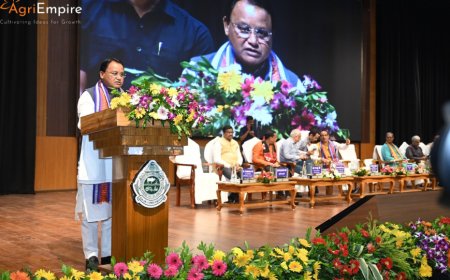
The Shetkari Sanghatana has alleged that agriculture is suffering heavy losses due to the central government's lack of a clear policy on HTBT cotton, maize, and soybean crops. On April 11, 2026, a detailed memorandum was submitted to Union Minister Nitin Gadkari in Nagpur, requesting immediate official approval for herbicide-tolerant and pest-resistant varieties.
Currently, only 'BG-II' cotton is officially permitted in India. However, due to severe weed control challenges, farmers have been cultivating unauthorized HTBT cotton for the past 15 years. According to data from the Central Institute for Cotton Research (CICR), India's cotton productivity is only 450 kg per hectare, while the global average stands at 750 kg per hectare. Experts believe productivity has stagnated because there hasn't been significant research in cotton seed technology since 2006.
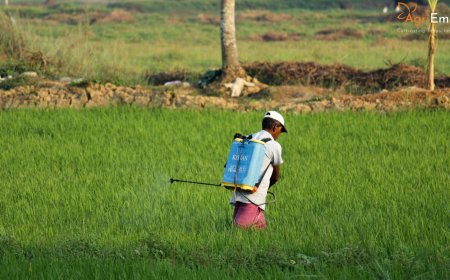
A report from the Directorate of Weed Research in Jabalpur states that weeds cause a massive decline in the production of crops like soybean (10-100%), cotton (40-60%), and rice. Agriculture is currently facing an acute labor shortage, making traditional manual weeding expensive. Persistent rains during the Kharif season often make manual weed control impossible, resulting in higher production costs and lower profits for farmers.
Milind Damle, head of the Agricultural Technology Front of Shetkari Sanghatana, stated that HTBT technology makes weed control through spraying both easy and affordable. If the government grants official approval to this technology, it will help reduce labor costs and boost overall productivity.