






















The "April 6 Watershed": UK Implements Historic Inheritance Tax Reform as Global Fertilizer Supply Shifts Toward Indonesia
Today, April 6, 2026, marks the official commencement of the UK's revised Agricultural Property Relief (APR) rules, fundamentally altering how family farms are passed down. Meanwhile, Indonesia is emerging as a critical global urea supplier to offset the ongoing closure of the Strait of Hormuz, which continues to disrupt traditional trade routes.

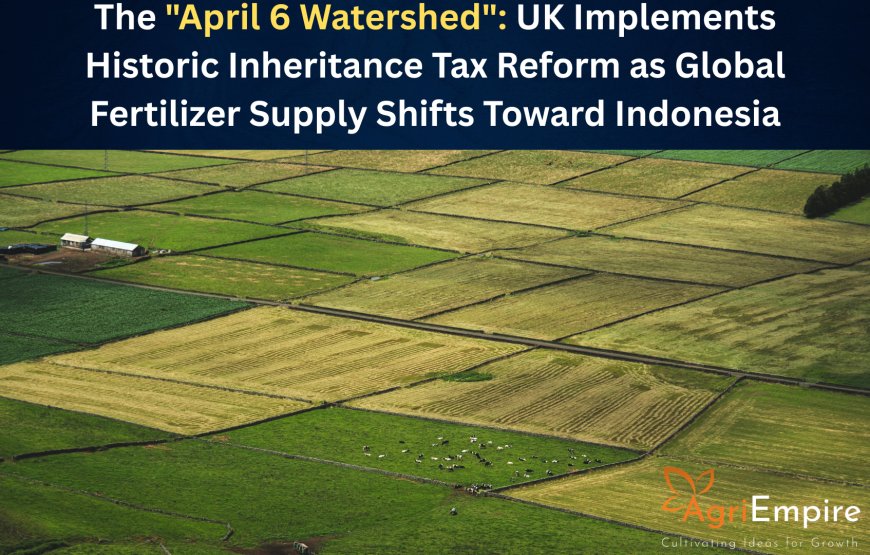
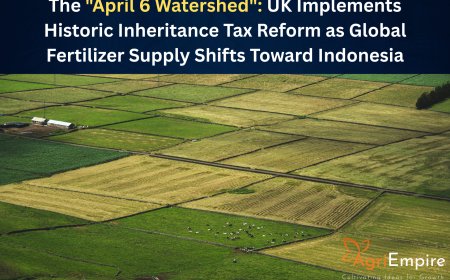
The global agricultural sector is crossing a major regulatory threshold today, April 6, 2026. In the United Kingdom, the long-debated reforms to Agricultural Property Relief (APR) have officially taken effect. For decades, family farms enjoyed nearly unlimited 100% inheritance tax relief; however, as of today, this 100% relief is capped at a combined £1 million allowance per person for agricultural and business assets. Any value exceeding this threshold will now attract an effective 20% tax rate. This shift has forced thousands of farming families to finalize complex succession plans and asset-sharing agreements over the past week to protect the long-term viability of their estates.
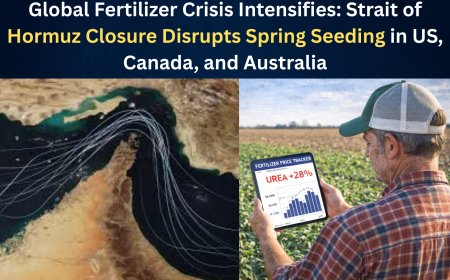
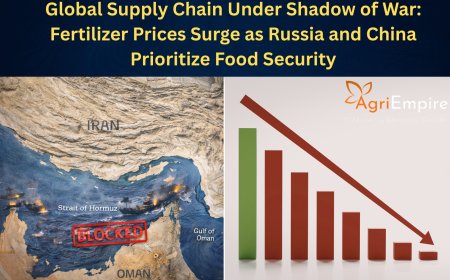
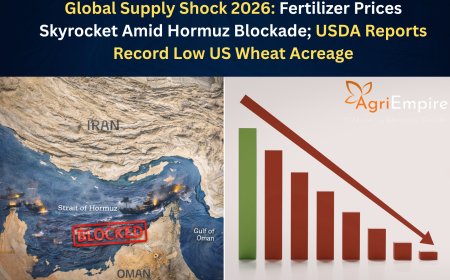
Simultaneously, the global fertilizer market is finding a new equilibrium. With the Strait of Hormuz remaining closed due to regional conflict, traditional Middle Eastern supply chains for nitrogen-based fertilizers have been paralyzed. Today, Indonesia's Agriculture Minister, Andi Amran Sulaiman, confirmed that three major nations have officially requested urgent urea imports from Indonesia to fill this gap. Indonesia is ramping up its production to serve as a vital alternative hub, ensuring that spring planting cycles in the Global South and parts of Asia are not lost to the ongoing logistical blockade.
In China, the focus remains on domestic self-sufficiency. New updates from the National People's Congress confirm that China is on track to hit its ambitious 725 million tonne grain harvest target for 2026. To achieve this, the government has accelerated the rollout of "High-Standard Farmland" projects, which integrate AI-driven drones and satellite-based soil monitoring to maximize yields per hectare despite extreme weather volatility. This "data-first" approach is intended to reduce China's reliance on imported corn and soybeans, which have become increasingly expensive due to rising global shipping costs.
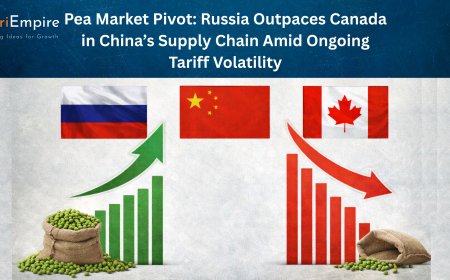
In Russia, the Ministry of Agriculture has confirmed that the significantly increased wheat export duty remains in force. The duty, which recently surged to 515.6 RUB per tonne, is being used as a tool to suppress domestic bread inflation as global grain demand intensifies. This policy has kept internal Russian prices stable but continues to put upward pressure on international wheat futures in the US and Canada, as buyers scramble for non-Russian supplies.
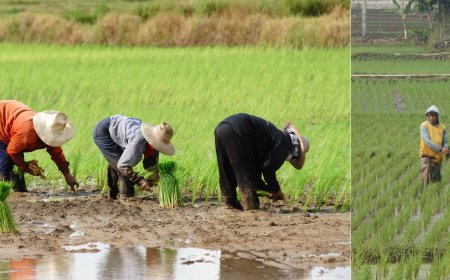
Finally, Cambodia reported a strong start to the year, with rice exports reaching 361,000 metric tonnes in the first quarter of 2026. This growth, valued at over $207 million, highlights the rising influence of ASEAN markets in the global rice trade as traditional exporters like Thailand face yield challenges.