
















Ray of Hope for Maharashtra: Mauritius to Buy 1 Lakh Metric Tonnes of Onion Amid Crashing Local Prices
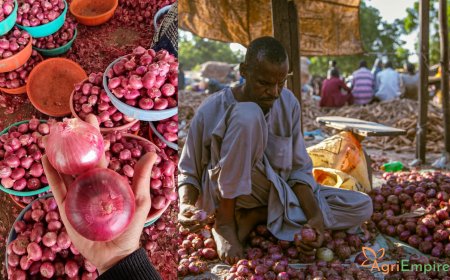
The Maharashtra government has secured a massive deal with Mauritius to export 1 lakh metric tonnes of onions, providing much-needed relief to farmers in Nashik and Ahilyanagar who were facing a severe price crash due to global shipping disruptions.

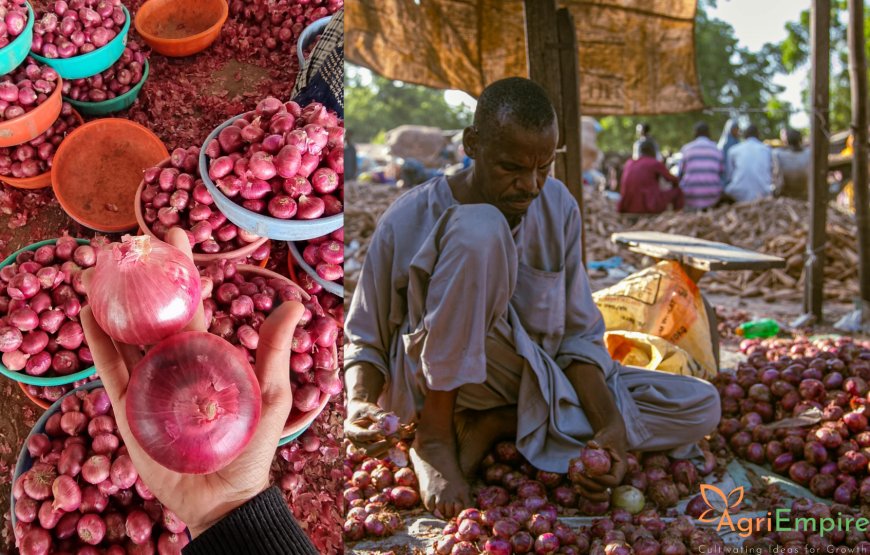
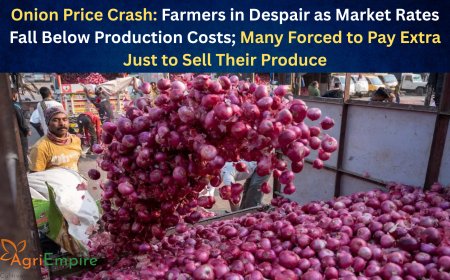
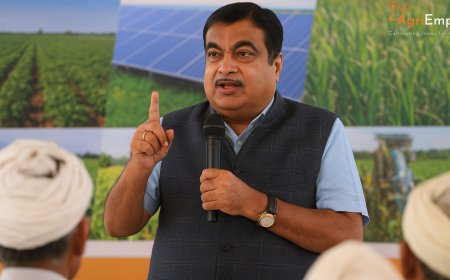
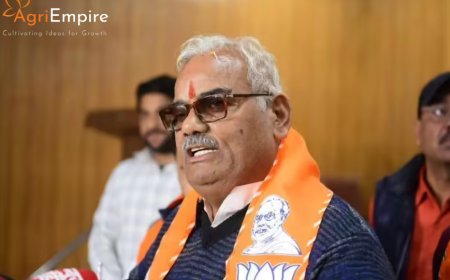
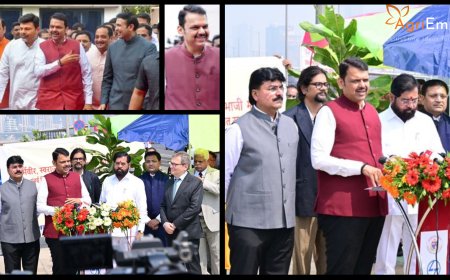
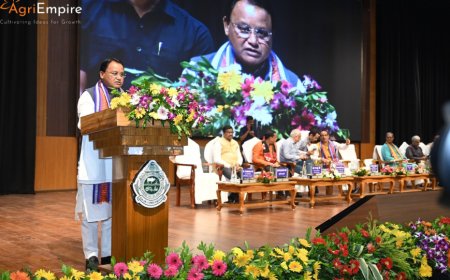
Maharashtra’s onion growers, particularly in the districts of Nashik and Ahilyanagar, received a major boost today as the Republic of Mauritius officially requested the procurement of 1 lakh metric tonnes of onions. Marketing Minister Jaykumar Rawal informed the State Legislative Council that Mauritius High Commissioner Sheila Bappoo made the request following a sharp decline in traditional export demand from Sri Lanka and Bangladesh. This new trade corridor is expected to stabilize local prices, which had recently dipped due to stiff competition from Pakistani-sold Chinese onions in the international market.
The state government is also aggressively pursuing other alternative markets through the Agricultural Price Commission to ensure that farmers are not solely dependent on a few neighboring countries. This move comes as a response to recent protests and hunger strikes by farmers in Chandwad, Nashik, where producers demanded immediate government intervention to prevent further price erosion. The minister emphasized that exploring diverse markets like Mauritius is key to the long-term sustainability of the state's onion trade.
In addition to the international deal, the Maharashtra government has urged the Central Government to increase its domestic procurement. While the Center purchased 3 lakh metric tonnes last year, the state has requested this be increased to 5 lakh metric tonnes starting immediately this March. The Center has already granted a preliminary approval for this 5-lakh-tonne target, with the condition that the procured stock be utilized within the state to manage local price stability.
On the technological front, the state continues to integrate AI-driven advisories to help farmers manage their Kharif and Rabi harvests. The 2026-27 budget’s focus on reducing input costs by up to 25% through smart farming is being highlighted as a shield against the erratic weather patterns that have historically caused significant crop losses.
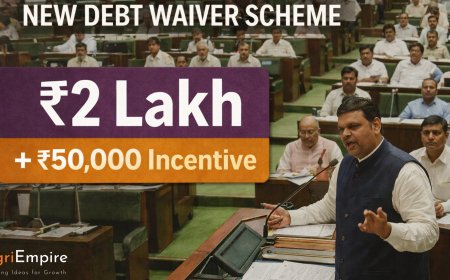
Finally, the government reiterated its commitment to the ₹2 lakh loan waiver and the ₹50,000 incentive for regular payers. A committee is currently finalizing the data for approximately 28 to 30 lakh farmers, with a full rollout expected by June 30, 2026. This combination of export breakthroughs and financial safety nets is aimed at revitalizing the state's rural economy.