




















Global Farm Machinery Demand Weakens as CNH Industrial Flags Lower 2026 Profit Outlook
Global agricultural equipment manufacturer CNH Industrial has warned of weaker profitability in 2026 due to sluggish farm machinery demand. Falling orders and reduced farmer investments are attributed to stagnant crop prices and rising input costs, affecting global agricultural supply chains.

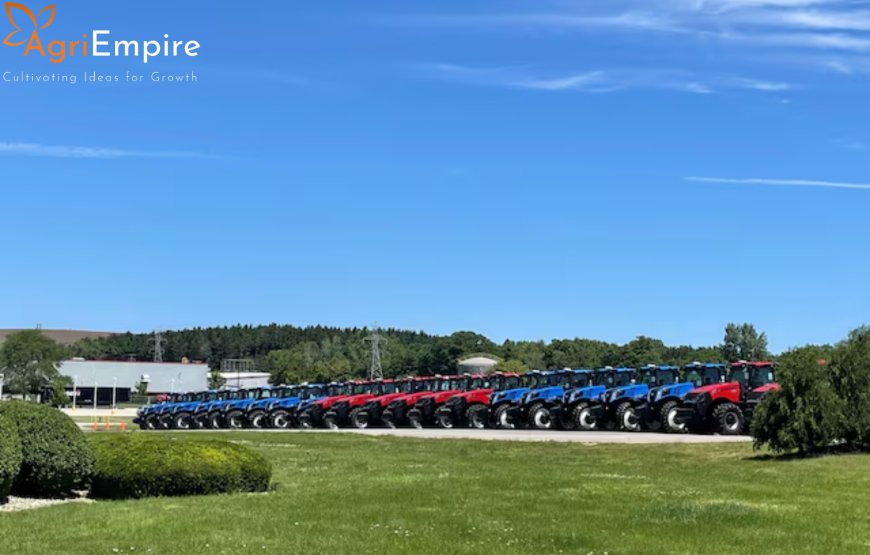
Global demand for farm machinery appears to be weakening as major equipment maker CNH Industrial signaled expectations of a softer profitability outlook for 2026. The company, known for global brands including Case IH and New Holland, attributed the projected downturn to slower demand for tractors, harvesters, and other agricultural machines. Analysts point to tightening farm budgets and cautious investment behaviour among farmers as key drivers of the slowdown.
Several factors contribute to the reduced appetite for new equipment purchases. Continued volatility in crop prices has compressed farmer margins in key regions, making it harder for producers to justify large capital outlays. Rising input costs for diesel, fertilizer, and labour have further squeezed budgets, leading many farmers to delay equipment upgrades or postpone expansion plans. This trend is reflected in dealer inventories, which have shown slower turnover compared with previous years.
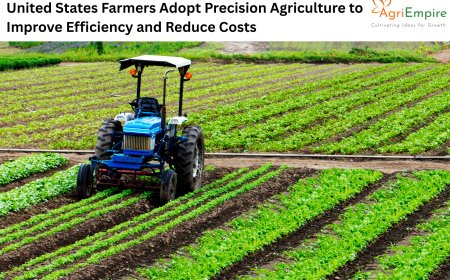
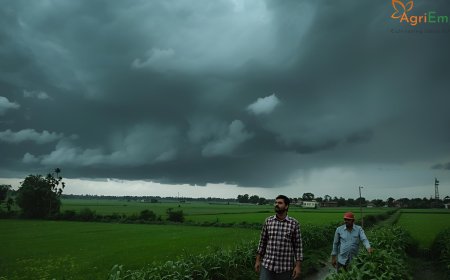
Global weather extremes and uncertain commodity market conditions have also played a role. Regions experiencing prolonged droughts or unseasonal rainfall have seen disruptions in planting and harvesting schedules, reducing the short-term need for new machinery. In contrast, areas with stable conditions continue to invest selectively, focusing on precision farming tools that increase efficiency without entailing significant expenditure on heavy machinery.
From a broader industry perspective, lower machinery demand can have wider implications for supply chains and rural economies. Agricultural equipment manufacturers, parts suppliers, and service providers may face reduced revenue, leading to cost-cutting measures and slower innovation cycles. Rural employment prospects in machinery servicing and maintenance may also be affected if investment in mechanization remains subdued.
Despite the current slowdown, experts emphasise that mechanization remains a long-term necessity for sustainable agricultural productivity growth. Many farmers are expected to adopt smaller, fuel-efficient machines or focus on digital farming tools that improve yields without requiring large capital investments. As financial conditions improve and commodity prices stabilise, machinery demand could rebound, especially in emerging markets with increasing food production needs.