























United States Farmers Adopt Precision Agriculture to Improve Efficiency and Reduce Costs
Farmers across the United States are increasingly adopting precision agriculture technologies such as GPS-guided equipment, drones, and data analytics to enhance productivity and improve sustainability.

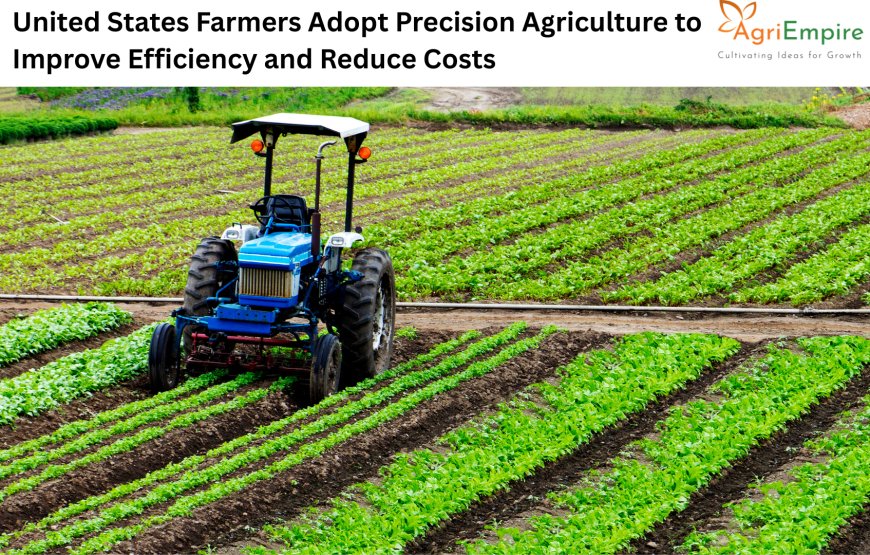
Farmers in the United States are rapidly adopting precision agriculture technologies to improve efficiency and manage rising production costs. These advanced tools allow farmers to monitor crops and soil conditions in real time. By using data-driven systems, producers can make informed decisions that enhance productivity while minimizing waste.
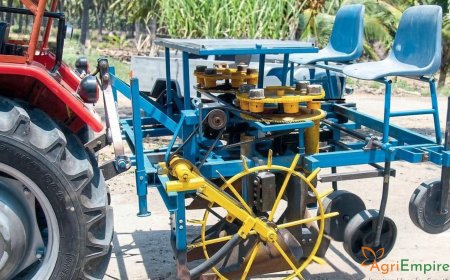
GPS-guided tractors and automated machinery have become common on large farms, enabling accurate planting and fertilizer application. This reduces overlapping operations and ensures optimal seed spacing. As a result, farmers can maximize yields while lowering fuel consumption. The adoption of such technologies is reshaping modern farming practices across the country.
Drones and satellite imaging are also playing an important role in crop monitoring. High-resolution images help identify pest infestations and water stress early in the growing season. Early detection allows farmers to take targeted action, reducing the need for excessive chemicals and preventing large-scale crop losses.
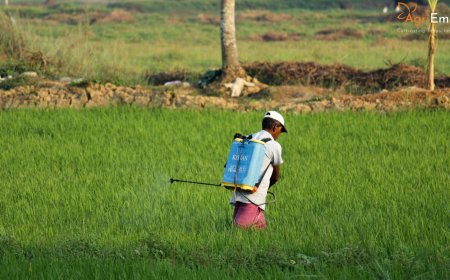
Precision agriculture not only supports higher efficiency but also promotes environmental sustainability. By applying fertilizers and pesticides only where needed, farmers can reduce runoff and protect soil health. Data analytics tools further assist in predicting yield outcomes and planning logistics more effectively.
As global food demand continues to rise, technology-driven farming is becoming essential. The increasing adoption of precision agriculture demonstrates how innovation can improve farm profitability while maintaining ecological balance. This shift towards smart farming is likely to influence agricultural systems worldwide in the coming years.