


























Global Supply Shock 2026: Fertilizer Prices Skyrocket Amid Hormuz Blockade; USDA Reports Record Low US Wheat Acreage
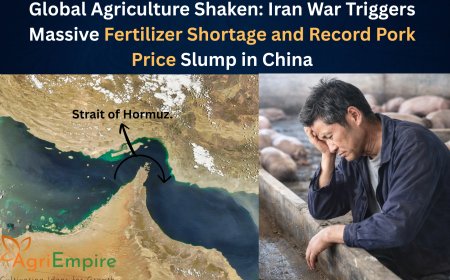
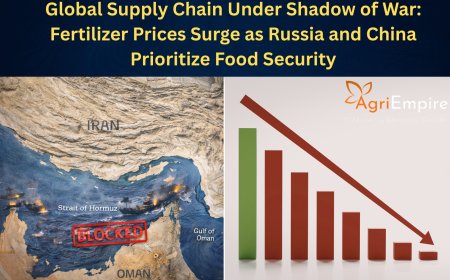
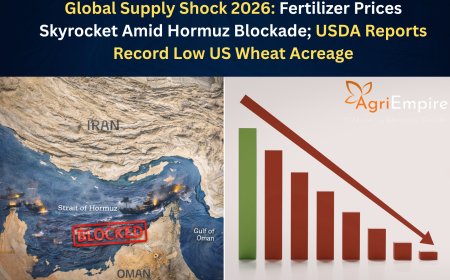
The closure of the Strait of Hormuz as of April 7, 2026, has severed a third of the world's fertilizer supply, causing US retail nitrogen prices to spike just as spring planting begins. Simultaneously, the USDA's latest "Prospective Plantings" report reveals the lowest US wheat area since 1919, as farmers shift to soybeans to minimize high input costs.

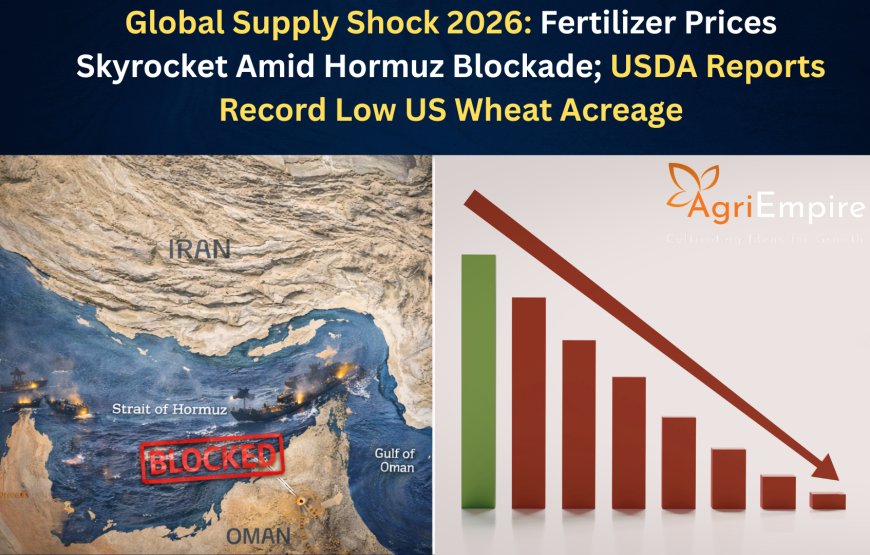
The international agricultural landscape is facing a dual crisis today, April 7, 2026, driven by regional warfare and unprecedented shifts in planting intentions. In the United States, the USDA’s latest report has sent shockwaves through grain markets, confirming the lowest wheat area planted since records began in 1919—just 17.72 million hectares. In the major wheat-producing states of Kansas and North Dakota, acreage has dropped by 4.1% and 9.3% respectively. This retreat from wheat and corn is a direct response to the "nitrogen crisis"; with the Strait of Hormuz now a "no-go zone," the global flow of sulfur and urea has been severed, causing US retail nitrogen prices to skyrocket. Farmers are pivoting to soybeans, which require fewer chemical inputs, leading to a projected 4.3% increase in soybean acreage.
In the United Kingdom, a historic policy shift officially took effect yesterday, April 6, 2026. The new reforms to Agricultural Property Relief (APR) have ended decades of unlimited 100% inheritance tax relief. As of today, the 100% relief is capped at a combined £2.5 million allowance per person. Any asset value exceeding this threshold will now be taxed at an effective 20% rate, forcing thousands of asset-rich but cash-poor family farms to restructure or risk having to sell land to meet tax liabilities.
China is responding to this global volatility by intensifying its drive for self-sufficiency. The central government’s 2026 strategic roadmap has established a new grain production target of 700-725 million metric tons. To achieve this 50 MMT increase over previous targets, Beijing is deploying "New Productive Forces"—a full-chain system integrating AI-driven machinery and high-standard farmland projects. Notably, China has introduced a new directive to "coordinate agricultural imports with domestic production," meaning the government will strictly manage import volumes to protect domestic farmers from global price swings.
In Russia, the Ministry of Agriculture has confirmed that the significantly increased wheat export duty will remain in force through the first week of April. The duty was raised on March 27 to cool domestic inflation as global demand for non-Russian grain intensifies. This move stabilizes internal bread prices but adds further upward pressure to international wheat futures, which have already popped above $5.90 per bushel due to the supply squeeze in the US and the Middle East.
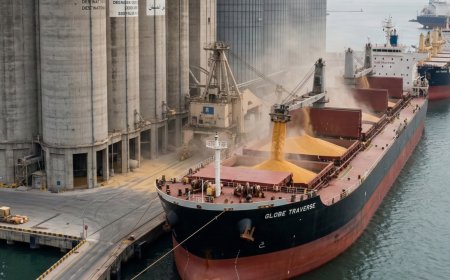
Finally, global shipping reroutes are adding another layer of inflation. Carriers avoiding the Persian Gulf are adding 10–15 days to their transit times, layering on war-risk surcharges that are beginning to cascade down to grocery stores worldwide.