






















Marathwada Farmers Face Ruin as Torrential Rains Destroy Standing Crops
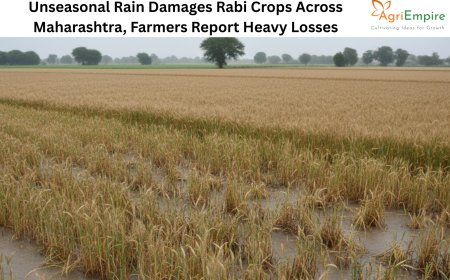
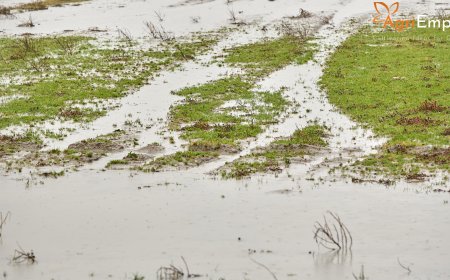
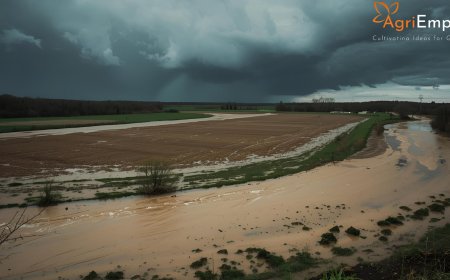
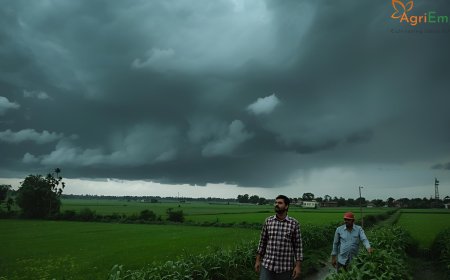
Heavy rains in Ahilyanagar and across Marathwada have submerged farmland and destroyed soybean, cotton, and tur crops. Farmers are left in distress as villages remain cut off due to floods.

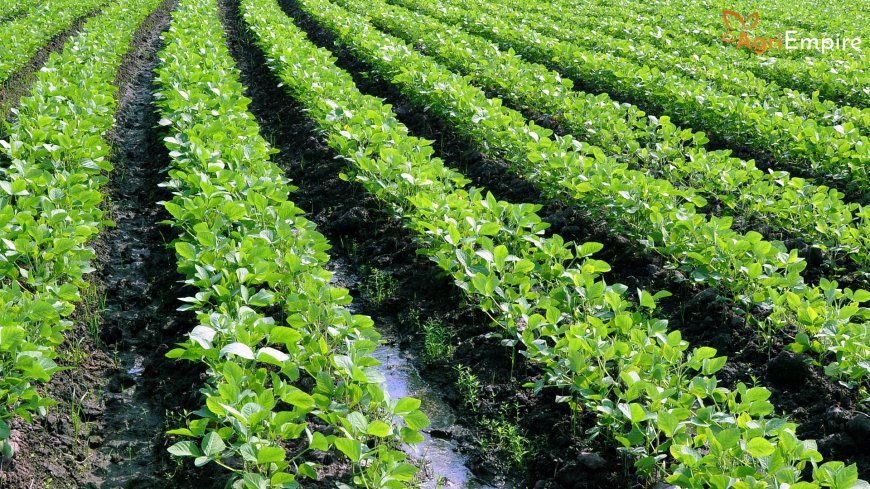
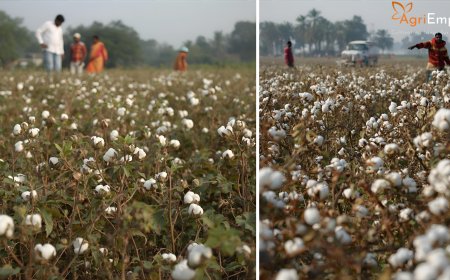
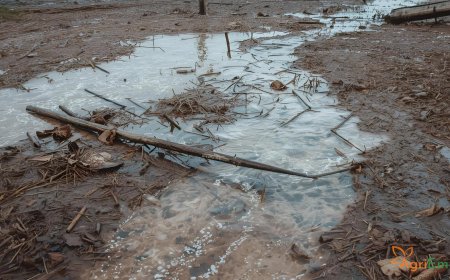
The Marathwada region of Maharashtra is facing severe agricultural losses as heavy rains lashed Ahilyanagar and nearby districts, destroying standing kharif crops. Soybean, cotton, and tur – the lifeline crops of farmers – were submerged under water, leaving cultivators devastated. Villages were cut off as floodwaters entered fields and homes, compounding the misery of rural families who rely entirely on seasonal agriculture for survival.
Farmers in Ahilyanagar reported that the torrential rainfall came at a crucial stage of crop growth. Soybean pods had just begun maturing, while cotton and tur plants were flowering, making them highly vulnerable to waterlogging. Experts warn that prolonged submergence could lead to irreversible crop damage, reducing yields by more than 70 percent in some pockets. The damage is expected to push indebted farmers deeper into financial distress.
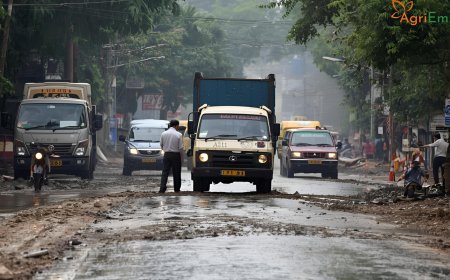
Apart from crop damage, the rains have also disrupted rural infrastructure. Roads have been washed away, and several villages remain disconnected from markets and mandis. Transporting agricultural produce or even accessing essential supplies has become a major challenge. Local authorities are struggling to provide relief, as floodwaters continue to rise in low-lying areas. This situation has sparked growing demand for immediate government intervention and compensation.
Agricultural experts emphasize that the Marathwada region, already known for recurring droughts, is now increasingly prone to unpredictable weather events. Farmers here are caught between extremes of drought and flood, highlighting the urgent need for climate-resilient farming practices. Soil erosion, pest outbreaks, and delayed harvesting are additional risks that may follow in the aftermath of floods.
State officials have assured farmers that damage surveys will be conducted soon, and relief packages will be announced. Farmer organizations, however, insist that timely financial support, crop insurance payouts, and input subsidies must reach cultivators without bureaucratic delays. Unless prompt action is taken, the crisis may deepen further, endangering rural livelihoods and increasing migration from the Marathwada region.