


















Digital Shift Essential for Mango Sales: Experts Call for Domestic Tech Innovation to End Foreign Dependency and Boost Farmer Income
At a high-level conference in Mumbai, experts emphasized the urgent need for digital technology in mango marketing to identify global demand and fair prices. With mango production dropping significantly and exports halted due to the Middle East conflict, adopting smart agriculture and robust cold storage is seen as the only way forward for Maharashtra's farmers.

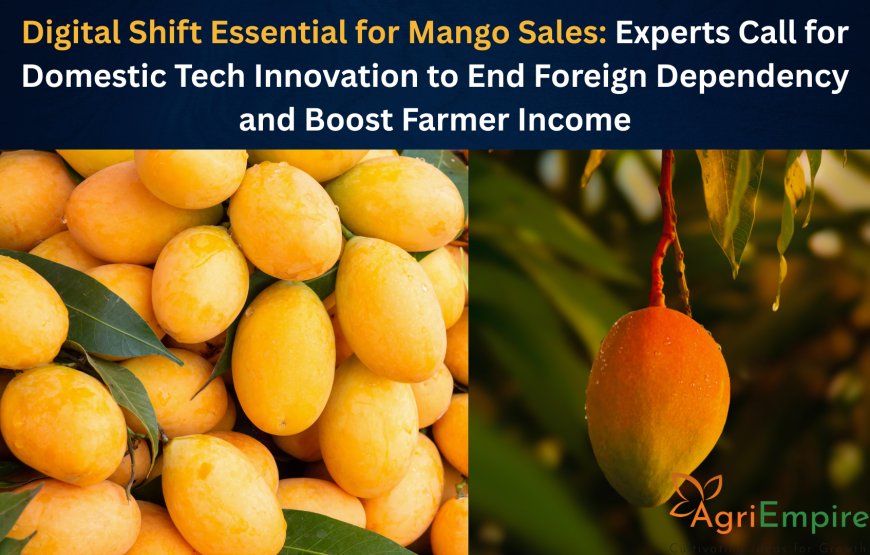
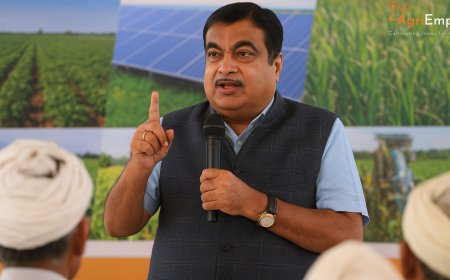
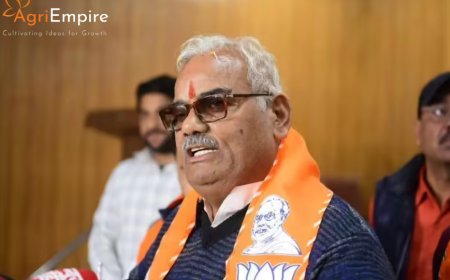
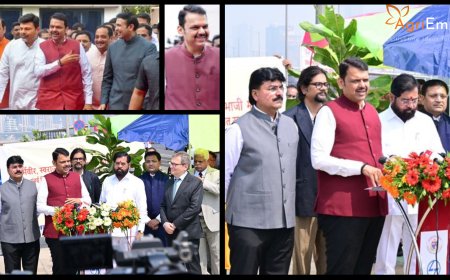
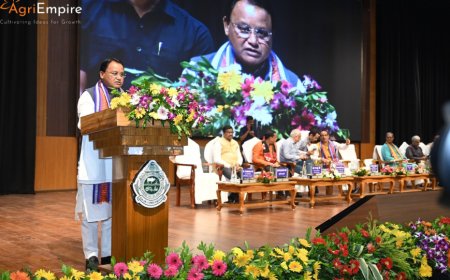
The future of Maharashtra's mango industry lies in digital self-reliance and technological innovation, experts concluded at a conference organized by the Maharashtra State Mango Growers Association at ICT Mumbai on April 3, 2026. Prof. J. B. Joshi, Chancellor of the Institute of Chemical Technology (ICT), highlighted that India’s dependency on foreign technology is a primary cause of economic struggle for farmers. He argued that while India imports and assembles foreign machinery, true progress will come only when indigenous digital tools are developed to help farmers identify which countries have high demand and better price points for their produce.
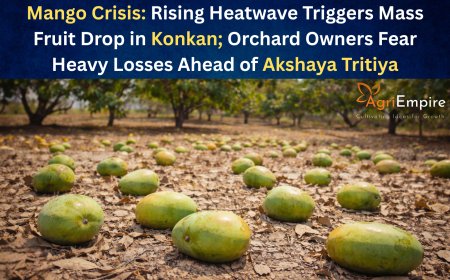
The conference highlighted a staggering decline in mango yields, with Chandrakant Mokal, President of the Mango Growers Association, noting that productivity has plunged from 40% down to nearly 10% this season. This production crisis is compounded by the West Asia conflict, which has effectively paralyzed the traditional 15% export volume usually destined for the Middle East. In this volatile environment, digital marketing platforms are no longer a luxury but a necessity for survival, allowing farmers to bypass disrupted supply chains and connect directly with diverse domestic and international buyers.
Storage and post-harvest losses remain a critical bottleneck. Prof. Aniruddha Pandit, Vice-Chancellor of ICT, pointed out that despite having a significant cold storage network, nearly 25% of agricultural produce is still wasted in India. He urged farmers to shift their mindset—moving from traditional farming to treating agriculture as a business, much like the successful models seen in neighboring states like Gujarat. The development of "Smart Cold Chains" integrated with AI could drastically reduce this waste, ensuring that even in years with lower yields, the quality of the fruit remains export-grade for longer periods.
The event saw active participation from major technology and industrial players, including Planet I Form AI Ltd, Tata Motors, and Tata Power, who presented innovative solutions for solar energy in orchards and AI-driven crop monitoring. These digital tools are designed to provide real-time weather alerts and soil health data, helping farmers mitigate the impact of climate change, which has been the primary driver of the current yield drop. Recognizing the efforts of pioneering growers, several farmers from across the state were honored for their successful implementation of innovative practices.
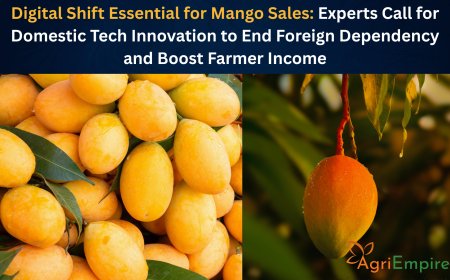
Concluding the session, the Maharashtra State Mango Growers Association called for immediate government support to subsidize digital infrastructure at the village level. With the monsoon still months away and current exports stalled, the push for a "Digital Mango Economy" aims to ensure that the legendary Hapus (Alphonso) and Kesar varieties reach global tables through new tech-enabled routes, preserving the livelihood of thousands of orchard owners in the Konkan and beyond.