









Global Agri-Shift: US Farmers Pivot to Soybeans Amid High Input Costs; China Expands Seed Research Partnership with Pakistan
As of April 2, 2026, the USDA reports a major shift in US planting intentions, with farmers moving away from corn toward soybeans to save on fertilizer costs. Simultaneously, China is strengthening its regional agricultural influence by launching a high-tech cotton seed and germplasm research collaboration with Pakistan.

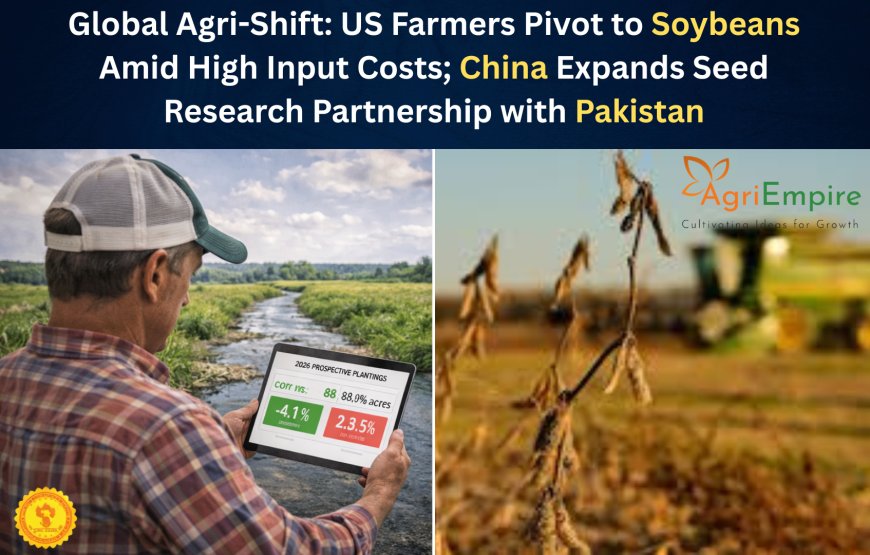
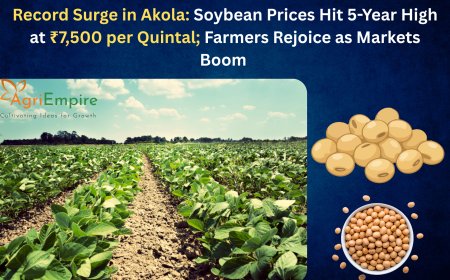
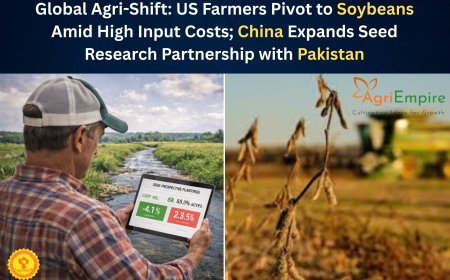
The international agricultural landscape is undergoing a significant transformation today, April 2, 2026, as major producing nations recalibrate their strategies in response to economic and geopolitical pressures. In the United States, the USDA’s much-anticipated "Prospective Plantings" report has confirmed a decisive pivot in the Heartland. Farmers intend to plant 84.7 million acres of soybeans, a 4% increase from 2025, while corn acreage is expected to drop by 3% to 95.3 million acres. This shift is primarily driven by the "nitrogen factor"—with fertilizer costs remaining high due to global energy volatility, soybeans are seen as a lower-risk, lower-input alternative for the 2026/27 marketing year.
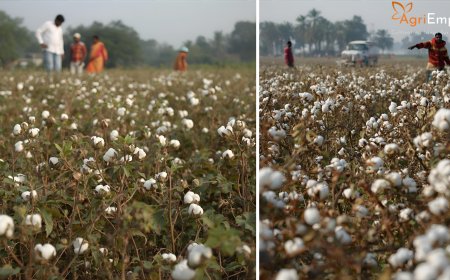
In Asia, China is aggressively expanding its agricultural footprint through a new strategic partnership with Pakistan. During a high-level meeting today in Lahore, Chinese diplomats and Pakistani agricultural ministers officially launched a joint initiative for cotton seed research and germplasm development. This collaboration aims to create climate-resilient, high-yield cotton varieties to stabilize regional textile supply chains. China has committed to providing advanced technical support for "smart agriculture" and helping Pakistan overcome barriers to frozen meat exports, marking a new era of "Bio-Agri" diplomacy in the Global South.
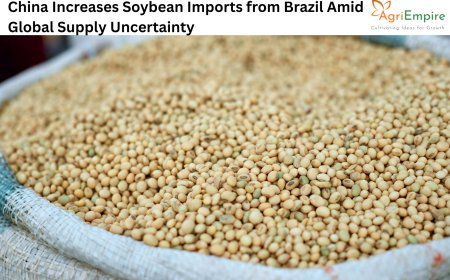
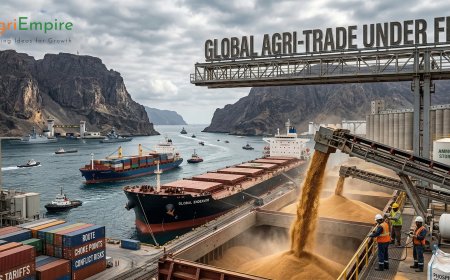
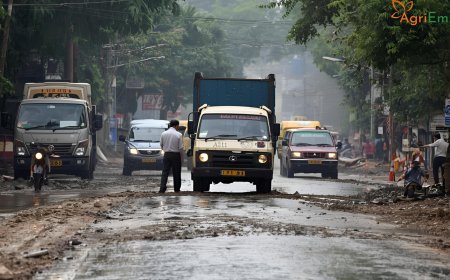
Parallelly, Brazil is grappling with the logistical reality of its record-breaking 184 million tonne soybean crop. While production is at an all-time high, heavy rains in the Center-West and a structural rise in domestic crushing for biodiesel (now at a B15 mandate) are significantly tightening the volume available for immediate export. The global market is watching closely as Brazil’s "fragile supply chain"—where only 14% of roads are paved—faces the ultimate stress test of moving this massive harvest to international ports amidst surging bunker fuel prices.
In the European Union, a landmark political agreement was reached today to strengthen the position of farmers in the food supply chain. The new measures, part of the Common Market Organisation (CMO), will mandate written contracts for all farmers, providing them with greater predictability and transparency when negotiating with large processors. This move is a direct response to the "income squeeze" felt by European growers and aims to ensure that the added value of agricultural products is shared more fairly across the chain, especially as input costs continue to pressure farm-gate margins.
Finally, Ajinomoto Co. has been selected today for a major Global South Co-Creation Project to demonstrate regenerative agriculture in Vietnam. The project will introduce new disease-resistant cassava varieties and sustainable cultivation packages to local farmers. By reducing dependence on chemical fertilizers and lowering greenhouse gas emissions, this initiative seeks to improve productivity and income for Vietnamese smallholders while securing a stable, "green" supply of raw materials for the global food industry.