


















Global Agriculture Shaken: Iran War Triggers Massive Fertilizer Shortage and Record Pork Price Slump in China
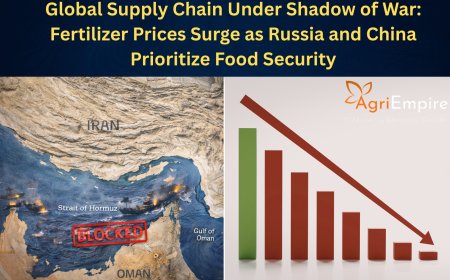
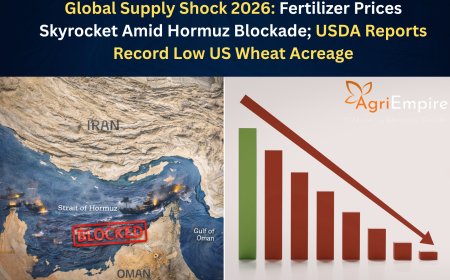
As of March 27, 2026, a deepening conflict in West Asia has severely disrupted the Strait of Hormuz, halting nearly a third of the global fertilizer trade. While US and Canadian farmers face skyrocketing input costs, China’s pork industry is reeling from a "double blow" of surging feed prices and 16-year low meat prices.

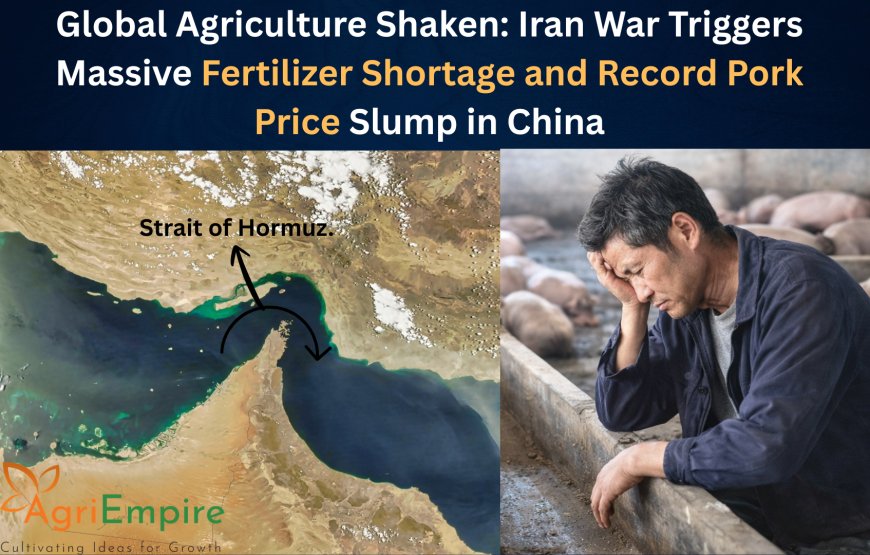
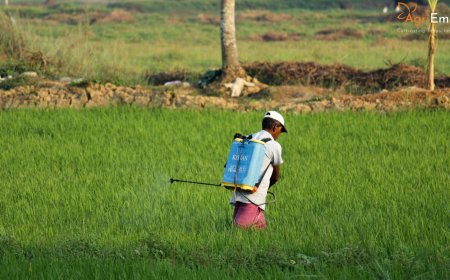
The international agricultural market is facing extreme volatility today, March 27, 2026, as the ongoing conflict in West Asia (Iran War) has effectively paralyzed the Strait of Hormuz. This narrow passage usually handles nearly 30% of the world's fertilizer trade, and its near-shutdown has triggered a global scramble for nutrients. According to the International Food Policy Research Institute, while fertilizer prices are still below the 2022 peaks, current grain prices are much lower, leaving farmers with razor-thin margins. In the United States, this "margin squeeze" is forcing a massive shift in planting intentions, with many Midwest farmers switching from fertilizer-intensive corn to soybeans as they prepare for the 2026/27 cycle.
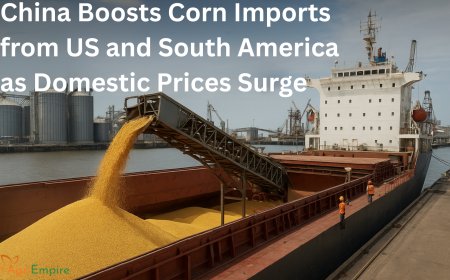
In China, the world's largest pork market, the situation has reached a critical breaking point today. Pig farmers are currently losing between 350 to 500 yuan per hog. This is due to a lethal combination of feed prices (soybean meal and corn) skyrocketing by 7% this month because of Middle East tensions, while domestic pork prices have plunged to their lowest levels in 16 years due to overcapacity. Experts at Rabobank warn that unless the Chinese government aggressively intervenes to reduce herd sizes, the industry faces widespread bankruptcies by the summer.
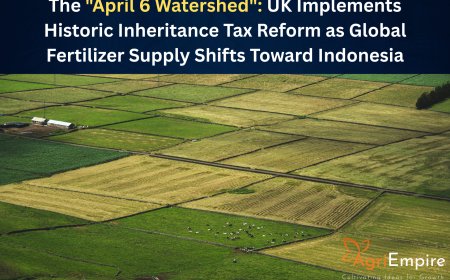
The United Kingdom is simultaneously navigating its own regulatory and economic transition. Today, the UK government confirmed a £70 million Farming Innovation Fund to help domestic producers build resilience against these global shocks. However, tension remains high as the National Farmers' Union (NFU) continues to lobby for stricter "core standards" on agri-food imports to ensure British farmers are not undercut by cheaper, lower-standard goods from abroad. Additionally, UK farmers are preparing for a major tax shift, with new Agricultural Property Relief (APR) rules set to change on April 6, 2026, impacting the inheritance of farms valued over £2.5 million.
In Russia, the Ministry of Agriculture has officially increased export duties on wheat and meslin effective from today, March 25 to 31, 2026. The duty has surged from 140.9 RUB to 515.6 RUB per tonne, a move intended to stabilize domestic bread prices even as global demand for Russian grain intensifies. Meanwhile, Israel is focusing on long-term survival through technology, hosting the "Sea the Future 2026" conference in Eilat. The summit is showcasing marine agriculture and desert-tech as the only viable solutions to ensure national food security in an era of constant regional disruption and climate change.
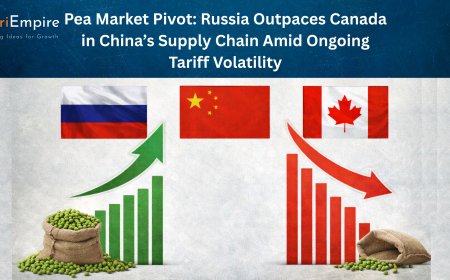
For Canada, the focus is on market survival as Prime Minister Mark Carney concludes a high-stakes trade mission to Beijing. Canadian grain growers are welcoming a tentative de-escalation in trade tensions, which could restore predictable access for canola and pulses. However, with farmland values in the Prairies continuing to climb and energy costs rising, Canadian producers are being urged to utilize the newly launched $75 million Market Diversification Program to reduce their reliance on any single geopolitical block.