












Global Grain Markets Shift as Weather Risks and Trade Changes Influence Corn and Soybean Prices
Global agricultural markets are witnessing volatility as South American weather risks, shifting trade agreements, and changing planting decisions impact corn, soybean, and wheat supply expectations worldwide, influencing global food prices and farmer strategies.


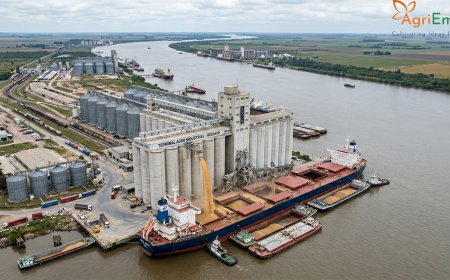
International agricultural markets are experiencing significant shifts in February 2026 as weather uncertainties and global trade developments reshape supply expectations. Analysts report that corn and soybean markets remain highly sensitive to crop conditions in South America, where Brazil and Argentina play a major role in global exports. Weather risks in these regions continue to influence price movements across international commodity exchanges.
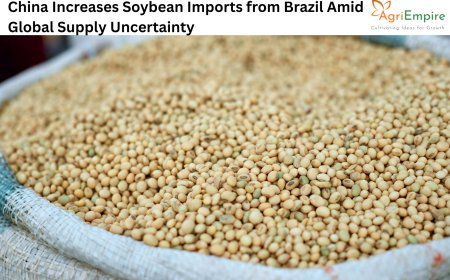
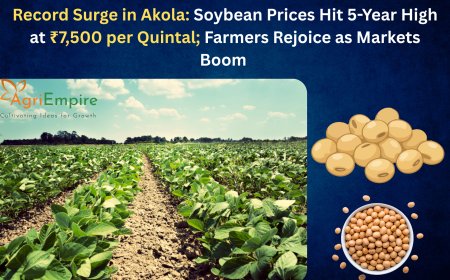
Recent global market updates show steady increases in soybean and corn prices during the month, reflecting tightening supply expectations and strong international demand. Market data indicates gains across major commodities, including wheat, soymeal, and vegetable oils, highlighting ongoing adjustments in global agricultural supply chains.
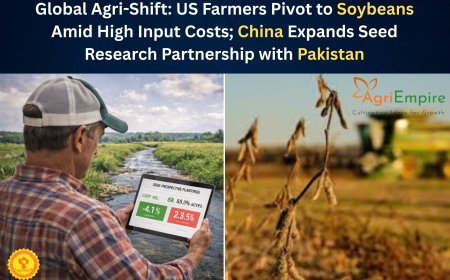
Agricultural economists note that farmers worldwide are adjusting cropping strategies due to economic pressures. In the United States, projections suggest farmers may reduce corn acreage while increasing soybean cultivation to improve profitability amid fluctuating input costs and market returns. These planting decisions are expected to influence global grain availability during the upcoming marketing season.
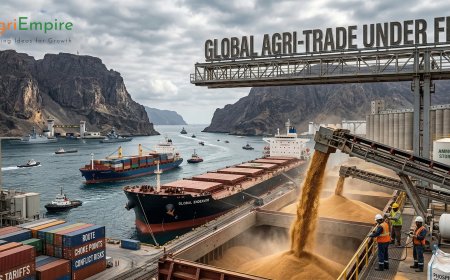
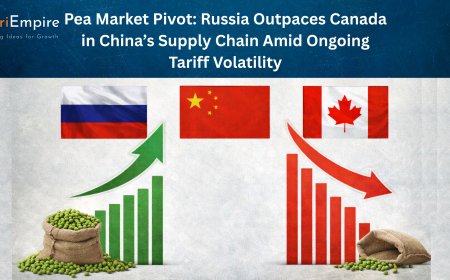
Trade developments are also reshaping agricultural flows. New international agreements and shifting export competitiveness are affecting wheat and feed grain movements between major exporting countries. Forecasts indicate strong competition among exporters such as Russia, the European Union, and the United States as buyers diversify sourcing strategies to manage price risks.
Experts believe the current situation highlights how interconnected global agriculture has become. Changes in weather, policy decisions, and trade relations now quickly impact farm incomes, livestock feed costs, and food prices worldwide. As the 2026 crop season progresses, markets are expected to remain volatile, requiring farmers and policymakers to closely monitor global developments.