






























Global Harvest Shift: Brazil Hits Record Soybean Output as US Farmers Pivot to Record Acreage Amid Falling Profits
As of late March 2026, Brazil is on track for a record-breaking 177 million tonne soybean harvest, despite logistical bottlenecks. Simultaneously, US planting intentions reveal a massive shift, with analysts projecting record-high combined corn and soybean acreage of 180.5 million acres to offset narrowing profit margins.


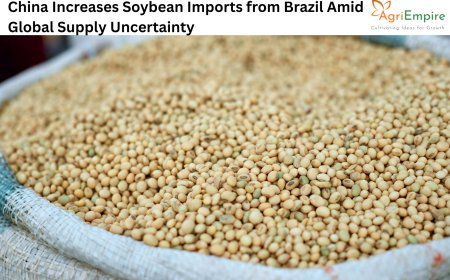
The global grain market is entering a period of "deceptive calm" this week as Brazil approaches the finish line of a historic harvest. According to the latest reports from CONAB and the USDA, Brazil is projected to produce a record 177 million metric tonnes of soybeans in the 2025-26 cycle, a 4% increase from last year. However, this abundance comes with a catch: Brazilian farm margins have plunged to their lowest levels in nearly two decades, with profits in some regions like Mato Grosso dropping to just $10 per acre due to high production costs and weak export premiums. Logistical frictions, including heavy rains in the Center-West and a phytosanitary dispute with China, have slowed the movement of this record crop to global ports.
In the United States, farmers are preparing for a massive shift as the USDA's "Prospective Plantings" report looms on March 31. Early analyst estimates suggest that US producers will plant a record combined 180.5 million acres of corn and soybeans this year. Specifically, soybean acreage is expected to jump significantly to 86.1 million acres as farmers rotate away from corn and wheat to save on input costs. Interestingly, while corn acres may retreat from 2025's outliers, they remain high by historical standards at approximately 94.4 million acres, as producers prioritize revenue insurance over high investment costs.
Across the Atlantic, the European Union is facing a pivotal moment in its environmental and agricultural policy. The EU Nature Restoration Law has officially entered its implementation phase, requiring member states to submit detailed national restoration plans by September 2026. This law targets the restoration of 20% of the EU's land and sea areas by 2030, with specific mandates for "agricultural ecosystems". European farmers are bracing for impact as the law requires increasing trends in farmland birds, grassland butterflies, and organic carbon in cropland soils, which some fear could limit intensive production in certain regions.
In China, the central government has signed a new decree to publish a revised National Agricultural Census regulation, effective May 1, 2026. This census is designed to crack down on "data falsification" and use advanced remote sensing technology to capture an accurate picture of the country's grain output and "new quality productive forces" in rural areas. China has set an ambitious target to harvest 725 million tonnes of grain in 2026, emphasizing a shift from quantity to "high-quality" production and domestic oilseed expansion to reduce reliance on imports.
Lastly, the global wheat market is seeing a "stress test" for exporters. While Australia is forecasting its third-highest wheat production on record at 36 million metric tons, US winter wheat prices have risen recently due to dry weather concerns in some states. In India, the government has removed restrictions on using rice for ethanol production as supplies rebounded, shifting some feedstock demand away from corn and potentially lowering domestic corn prices back to ₹1,600 per quintal. This move helps stabilize the local poultry and livestock sectors while ensuring the national biofuel mandate remains on track.