





































China Boosts Corn Imports from US and South America as Domestic Prices Surge
China has begun importing large volumes of corn from the US and South America to ease rising domestic prices and stabilize its livestock feed sector. Tight grain supplies, weather disruptions, and increasing feed demand are pushing Beijing to expand purchases in the coming quarter.

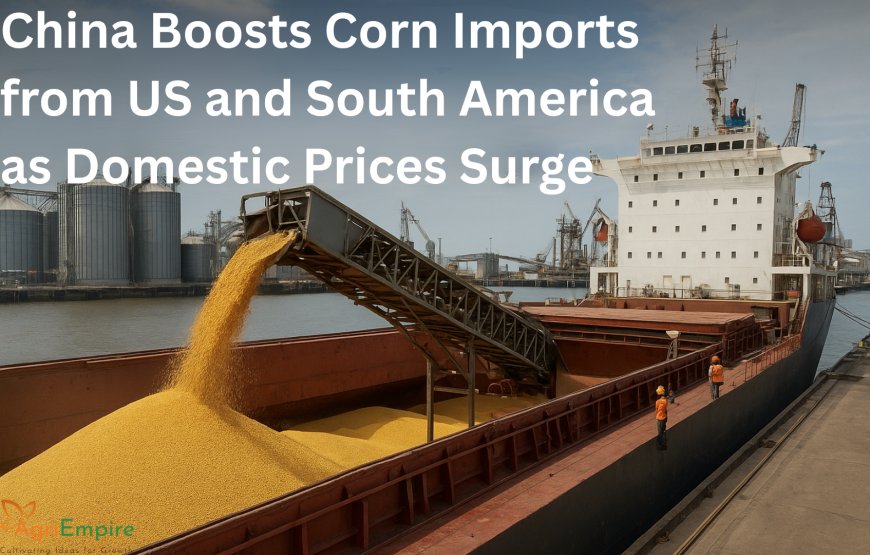
China has initiated large-scale corn purchases from the United States and South American producers as domestic grain prices rise to multi-month highs. According to trade officials, tightening supplies and pressure from the livestock feed industry have pushed Beijing to secure imports earlier than usual. Market analysts note that the scale and timing of these imports suggest China is preparing for potential shortages in the coming months.
Domestic corn prices in China have been climbing steadily due to a combination of adverse weather conditions, reduced yields in key northeastern provinces, and expanding feed requirements from the poultry and hog sectors. The country’s ongoing recovery in pig farming, following recent disease outbreaks, has further increased demand for affordable and stable corn supplies. These factors have created a gap between available stocks and consumption needs, prompting the government to act swiftly.
Trade sources report that Chinese buyers have already booked sizable volumes from the US Midwest, Brazil, and Argentina. With Brazil emerging as a major exporter in recent years, its shipments now complement China's long-standing procurement from the US. Shipping data indicates that several large cargoes are scheduled to arrive in Chinese ports over the next eight to ten weeks, aligning with the government’s strategy to cool domestic prices and maintain feed security.
Economists believe China may significantly increase corn imports in the next quarter if domestic production continues to show signs of stress. Rising fuel costs, higher fertilizer prices, and limited availability of high-quality grain have all contributed to the price surge. Importing from international markets helps Beijing stabilize feed costs, prevent inflation in the meat sector, and ensure that large-scale livestock operations have uninterrupted access to raw materials.
Global grain markets are closely watching China’s purchasing patterns, as even a moderate increase in Chinese demand can shift world prices. The renewed activity has already provided a lift to export markets in the US and South America. For China, securing adequate corn stocks remains a central pillar of its agricultural policy, especially as the nation aims to balance food security with fluctuating climate conditions and evolving livestock production needs.