


















China Increases Soybean Imports from Brazil Amid Global Supply Uncertainty
China has stepped up soybean imports from Brazil to secure feed supplies for its livestock sector, as global market uncertainties and supply concerns impact international agricultural trade and food security planning.

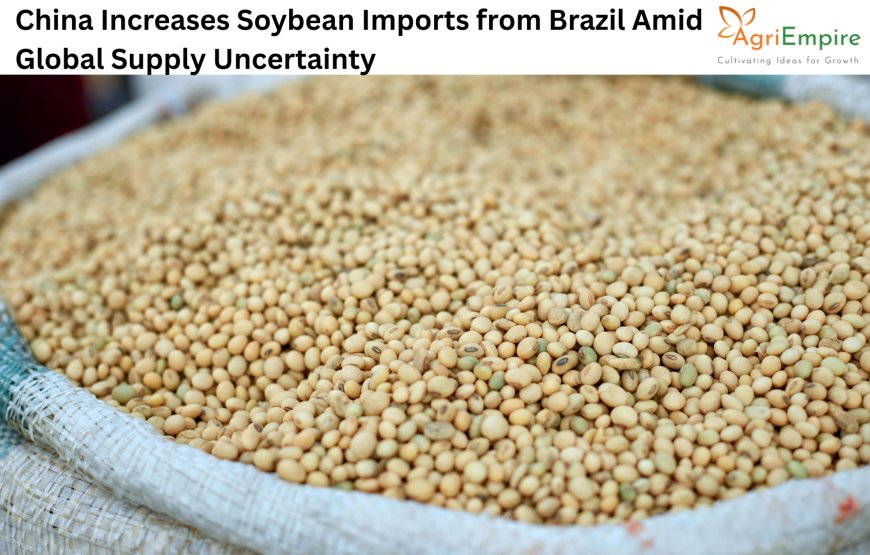
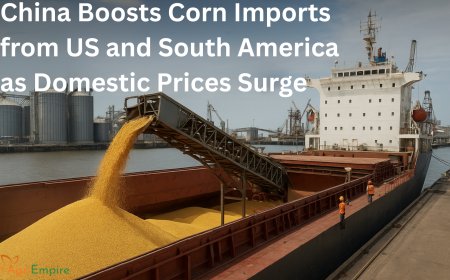
China has increased its soybean imports from Brazil as part of efforts to secure stable supplies for its livestock and poultry feed industries. Soybeans are a key component in animal feed, and any disruption in supply can directly impact meat, dairy, and poultry production. With global agricultural markets facing uncertainty due to changing trade relations, climate impacts, and fluctuating production levels, China is diversifying its sourcing strategy to ensure food and feed security for its growing population.
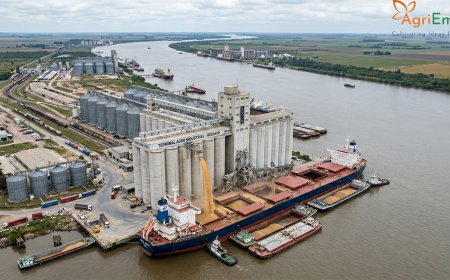
Brazil has emerged as one of the world’s largest exporters of soybeans, benefiting from large-scale cultivation, favorable climatic conditions in key growing regions, and strong logistics networks connecting farms to ports. Increased shipments to China strengthen bilateral agricultural trade ties and provide Brazilian farmers with access to a major export market. For China, sourcing from Brazil helps reduce dependence on limited suppliers and provides flexibility in managing procurement costs in volatile global markets.
The growing demand for soybeans is driven largely by China’s livestock sector, which relies heavily on soybean meal as a protein-rich feed ingredient. Rising consumption of meat and dairy products continues to push feed demand higher. Any imbalance between domestic production and consumption needs to be addressed through imports. By increasing purchases from Brazil, Chinese buyers aim to stabilize feed prices and prevent shortages that could otherwise lead to higher food prices for consumers.
Global soybean trade is also influenced by weather patterns, currency fluctuations, and logistical challenges. Droughts, floods, or pests in major producing countries can affect output and export availability. As a result, importing countries like China often adopt proactive procurement strategies to hedge against potential supply disruptions. Strengthening long-term supply agreements and diversifying sourcing regions are seen as practical steps to manage risks in the global agricultural supply chain.
The increase in soybean imports highlights the interconnected nature of modern agriculture, where production in one part of the world supports food systems in another. Such trade flows play a crucial role in balancing regional surpluses and deficits. Going forward, stable and transparent agricultural trade relationships will remain essential for ensuring food security, supporting farmer incomes in exporting countries, and maintaining steady supplies for consumers across international markets.