


















Global Agri-Trade Under Fire: US Tariffs and Middle East Conflict Choke Shipping Routes and Drive Fertilizer Costs
The escalating conflict in the Middle East has disrupted global shipping through the Strait of Hormuz, threatening ₹1.2 billion in annual trade between India and Iran. Internationally, rising crude oil prices (now above $80) are fueling inflation and pushing global fertilizer costs to multi-year highs as the spring planting season approaches.

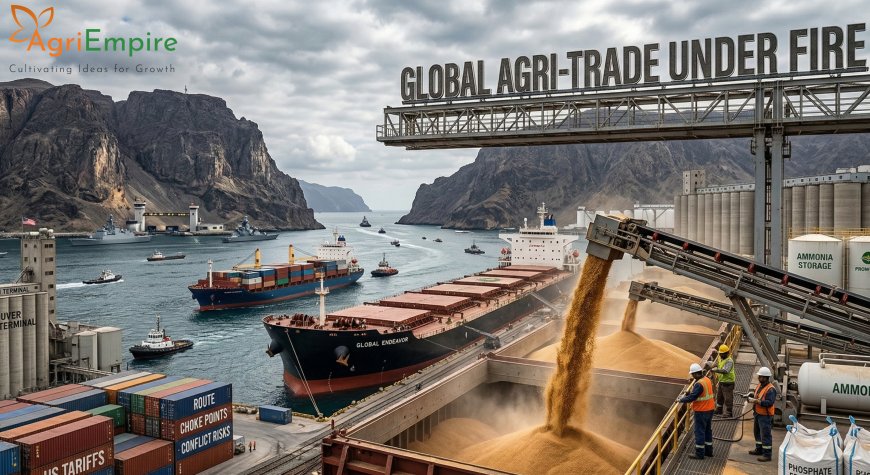
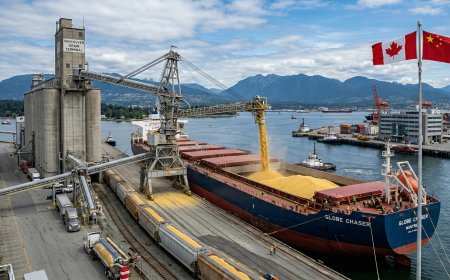
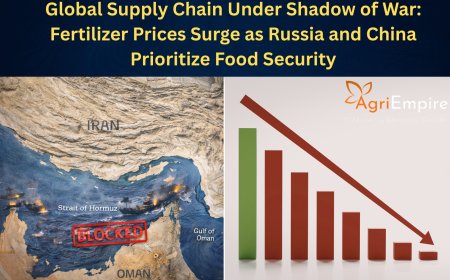
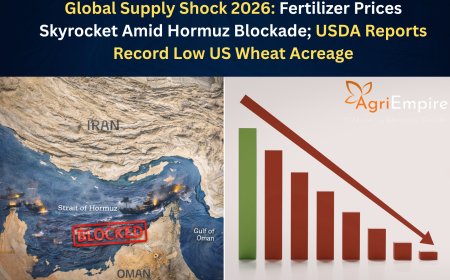
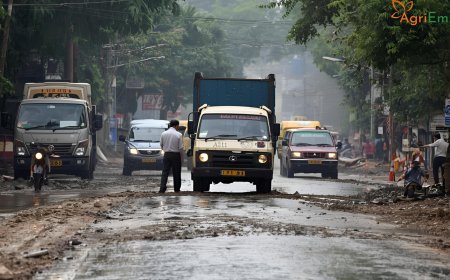
Global agricultural markets are currently caught in a vice grip of geopolitical conflict and protectionist trade policies. The military actions in the Middle East have significantly disrupted shipping routes, particularly through the Strait of Hormuz, which is a critical artery for global fertilizer and energy supplies. For India, this has left an estimated 2 to 4 lakh tonnes of rice stranded in the supply chain, with nearly 3,000 containers currently stuck at ports like Kandla and Mundra.
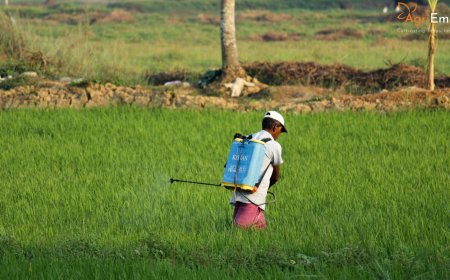
The impact on production costs is becoming an urgent concern for farmers worldwide. As crude oil prices surged past $80 per barrel, the "inflation trade" has taken hold of the commodities market. Rising energy costs are feeding directly into sharply higher fertilizer prices, which analysts fear will reduce planting areas for key crops like corn in the United States and Canada. This energy shock is also making biofuels more attractive, sending soybean oil prices to multi-year highs as biodiesel margins improve.
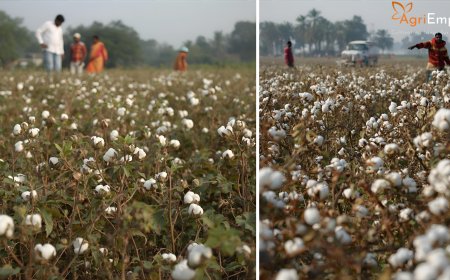
Trade tensions between major powers are further complicating the outlook. The proposed 15% global import tariffs by the U.S. have already begun to shift acreage expectations, as soybeans are projected to expand at the expense of crops like cotton. In China, despite a record-setting cotton yield in the Xinjiang province, the government has set its overall GDP target below 5% for the first time, signaling a potential slowdown in global commodity demand.
Despite the volatility, some regions are seeing record outputs. Brazil’s soybean production is estimated at a staggering 180 million metric tons for the 2025/26 season, up 5% from last year. However, logistics issues and heavy rainfall in parts of Brazil have slowed exports, leaving a window of opportunity for Argentina, which is currently exporting wheat at an impressive pace of nearly 4 million tonnes per month.
As nations brace for a potential "midterm reckoning" due to these conflicts, food security is becoming a primary national defense priority. Import-dependent regions like the Gulf states are particularly vulnerable to these disruptions, leading to increased speculation and volatility in grain and oilseed prices. For the global farming community, the next few months will be defined by navigating these high input costs and rapidly shifting trade alliances.