






















China Vows to Boost U.S. Farm Trade, But Leaves Details Unclear
Following a renewed trade détente, China has begun purchasing U.S. soybeans from the 2025 harvest. However, the country has not clarified whether it will roll back tariffs or provide systematic access — raising questions about the sustainability of this agricultural trade reset.

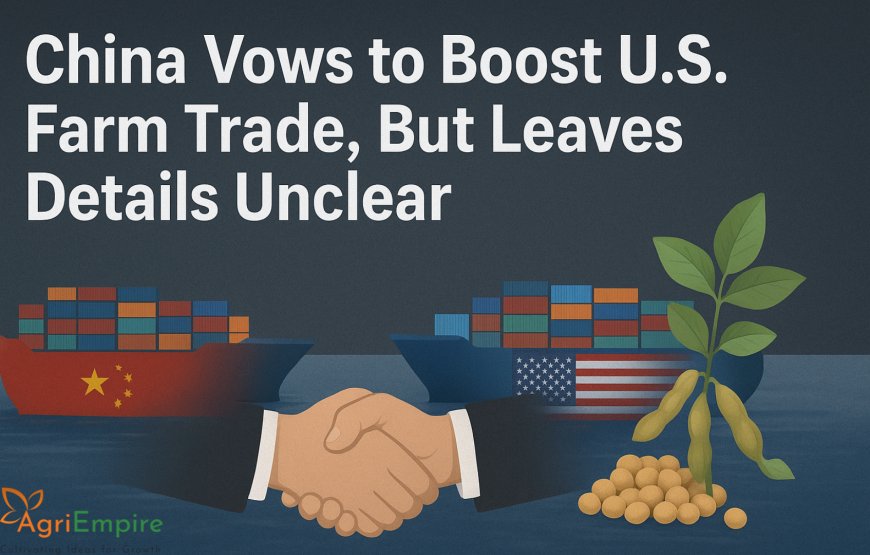
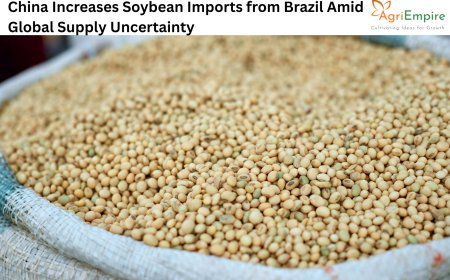
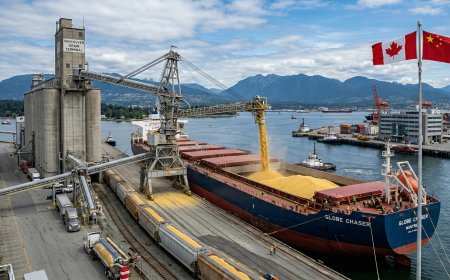
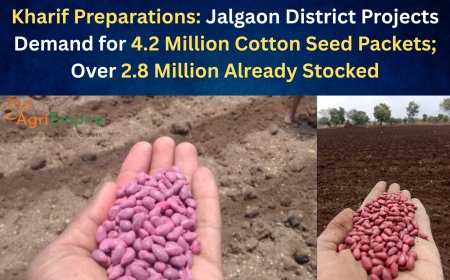
China recently purchased its first cargoes of U.S. soybeans from the 2025 harvest, signaling a possible thaw in agricultural trade tensions after years of tariff barriers. The move has sparked cautious optimism among U.S. farmers, many of whom suffered significant losses when Chinese buyers curtailed purchases amid trade retaliation.
However, Beijing has not divulged whether the purchases are part of a broader rollback of tariffs or are limited exemptions. Traders and analysts point out that unless China formally reduces duty rates or eases regulatory hurdles, the renewed buying might be short-lived or subject to strict quotas.
The backdrop to these developments is the recently announced “soybeans truce” between the U.S. and China, in which commitments were made to resume agricultural purchases. Treasury Secretary Scott Bessent hailed the agreement, but many market participants remain skeptical, citing past instances where pledges failed to translate into sustained trade flows.
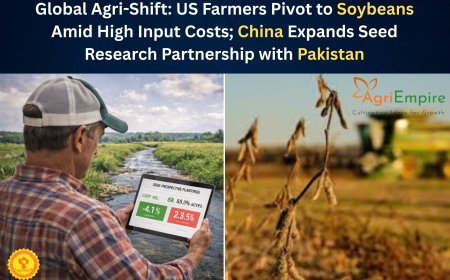
For U.S. farmers, the partial return of Chinese demand offers hope of reducing surplus stockpiles and stabilizing domestic prices. Still, the lack of clarity on long-term commitments and enforcement mechanisms leaves them wary. Unless supported by clear policy instruments, the gains may prove fleeting.
Observers suggest that this development also has broader implications for global grain markets. If China shifts back toward substantial U.S. imports, it could influence demand for Brazilian, Argentine, and Canadian soybeans. Moreover, regulatory clarity and tariff stability will be crucial for rebuilding trust between exporters and Chinese buyers.