































Global Grain Volatility: Wheat Futures Slump Amid Record Southern Shipments and US Protectionist Tariffs
Global wheat prices declined on March 5, 2026, as record-breaking shipments from Argentina and Australia offset geopolitical fears. Meanwhile, the U.S. market faces internal pressure from new 10%–15% import tariffs and shifting biofuel policies, making American grain less competitive globally.


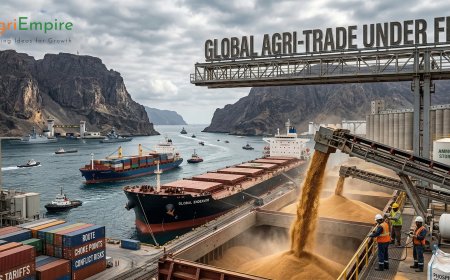
International grain markets remained highly volatile today, March 5, 2026, as wheat futures continued their downward trend. Chicago wheat has now fallen roughly 40 cents per bushel from its early-week highs, as the market shifts its focus from geopolitical "noise" to the reality of heavy global supplies. A primary factor in this price correction is the record-breaking pace of shipments from Argentina, which is currently flooding the market with some of the lowest-priced export grain in the world.
The competitiveness of U.S. grain is being further tested by a strong dollar and new domestic policy shifts. The U.S. administration's recently implemented 10% to 15% global import tariffs are driving up the cost of farming inputs, while the lack of fresh export demand has left managed funds covering their short positions. Despite this, "flash sales" of 196,000 metric tons of corn to unknown destinations were reported today, indicating that some level of global demand persists even at higher U.S. price points.
In North America, weather patterns are presenting a strange contrast. While the eastern United States is experiencing temperatures 10°F to 15°F above normal, the majority of Canada is gripped by an arctic chill with temperatures 10°F to 15°F below normal. Despite the cold, Canadian farmers are expected to modestly increase their seeded area this season to approximately 22.5 million acres, as the country looks to capitalize on shifting trade flows between Asia and the West.
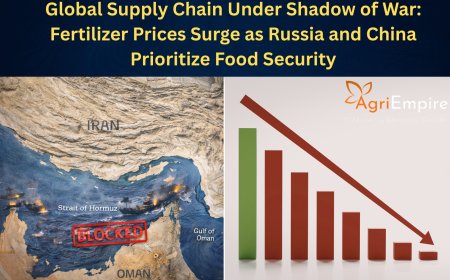
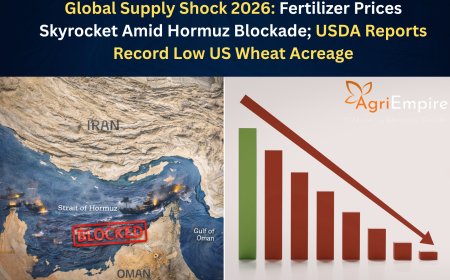
Trade relations between the world's two largest economies remain the biggest wildcard. U.S. President Trump stated today that he still intends to meet with China’s Xi Jinping in April to discuss trade barriers, yet he also issued instructions to cut off certain dealings with Spain, further complicating the global diplomatic landscape. For agricultural traders, this uncertainty is keeping "long" positions in food sources attractive, especially as crude oil prices continue to climb due to the conflict in the Middle East.
Looking ahead, the market is awaiting new Biofuel Policy announcements from Washington. There are growing expectations that U.S. renewable volume obligations will be set at elevated levels, which could provide a much-needed bid for oilseeds like Canola and Soybeans. However, until there is more clarity on the U.S.-China meeting and the resolution of the Gulf shipping crisis, the global agricultural complex is expected to trade with a heavy and technical tone, driven more by macro drivers than traditional farming fundamentals.