










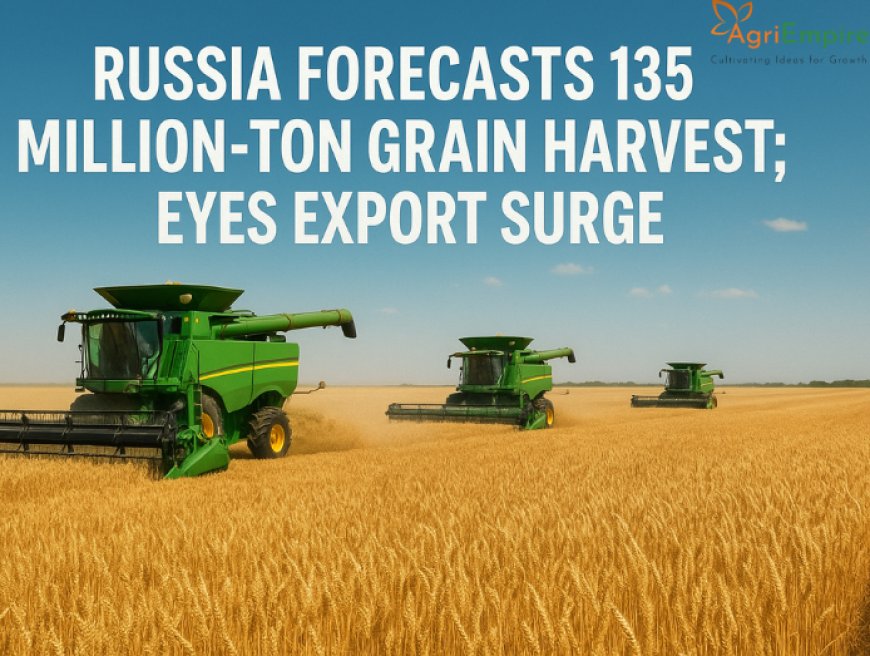
Russia Forecasts 135 Million-Ton Grain Harvest; Eyes Export Surge
Russia’s Agriculture Minister has confirmed a projected crop output of 135 million tons for 2025, including 90 million tons of wheat, positioning Russia to boost global exports. This forecast comes amid shifting trade flows and evolving demand in the global grain market.

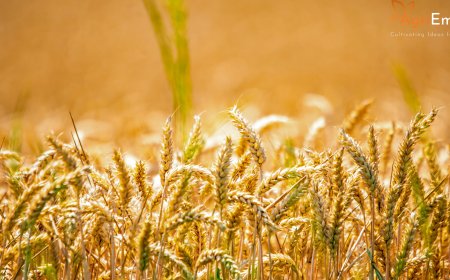
In a recent briefing, Russia’s Agriculture Minister Oksana Lut confirmed that the country is targeting a total grain production of around 135 million metric tons (mmt) in the 2025 season, with wheat alone accounting for approximately 90 mmt. The announcement signals Russia’s intent to reinforce its position as one of the world’s leading grain suppliers, particularly in the face of evolving global demand and shifting supply chains.
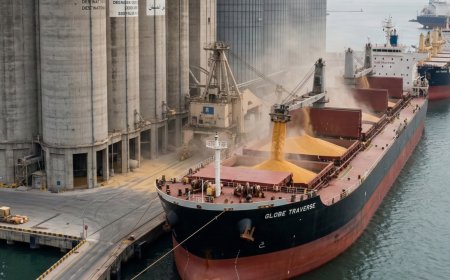
Analysts note that this large harvest outlook could alter grain flows internationally. With abundant production, Russia may expand exports to regions beyond its traditional partners in the Middle East and North Africa. Indeed, one report indicated Russia’s export potential for 2025/26 at about 50 mmt, raising prospects of increased competition for other major grain exporters.
The development comes amid broader global market dynamics: strong corn and soybean demand in the U.S., rising tender activity in Asian feed markets, and surges in export outlooks from countries like France and Kazakhstan. Together, the shifting supply and demand patterns elevate the importance of production forecasts such as Russia’s in shaping global food security and trade strategies.
For producers and traders, the implications are significant. A larger Russian crop could exert downward pressure on global wheat prices, influence futures markets, and reshape sourcing decisions by importers. Simultaneously, countries dependent on imports may gain increased access, but domestic growers in other nations may face heightened competition and margin pressures.
Looking ahead, sustainability and risk factors remain key. While the forecast is positive, variables such as weather disruptions, logistical bottlenecks, and political-trade issues (sanctions, tariffs) can still impact outcomes. Stakeholders emphasise that transparent data, adaptable policies and diversified sourcing will be vital as the global grain market enters a potentially volatile phase.