





















India and Bhutan Strengthen Ties with Landmark Agriculture Cooperation Pact
India and Bhutan sign a comprehensive agriculture cooperation pact to enhance collaboration in sustainable farming, modern technology adoption, crop diversification, food security, and farmer welfare. This agreement deepens bilateral ties and ensures long-term benefits for both nations.

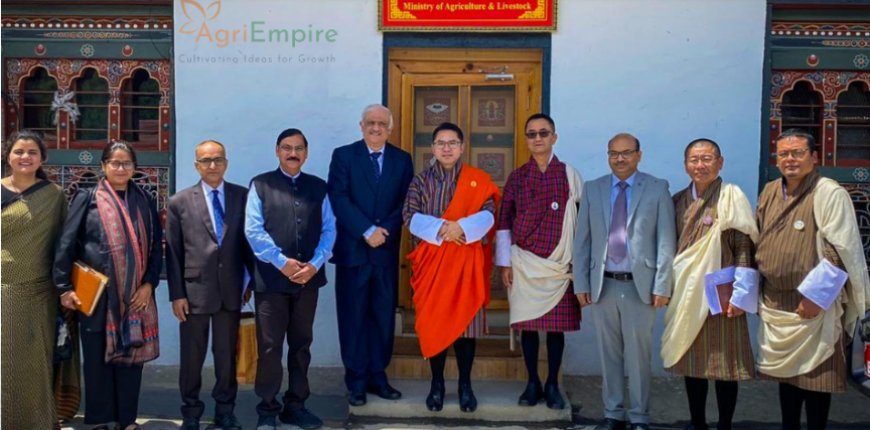
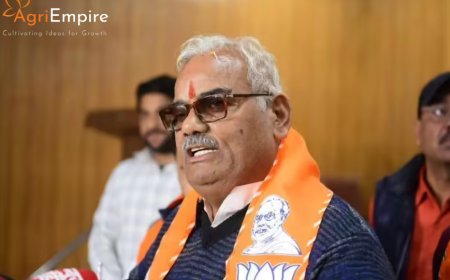
India and Bhutan have taken a historic step in strengthening their long-standing bilateral relationship by signing a comprehensive Agriculture Cooperation Pact. The agreement, signed in the presence of senior officials and agricultural experts from both nations, is aimed at enhancing collaboration in areas such as sustainable farming, agri-technology, food security, and farmer welfare. The move is being hailed as a milestone that will not only deepen ties between the two neighbors but also ensure long-term agricultural growth and prosperity in the Himalayan region.
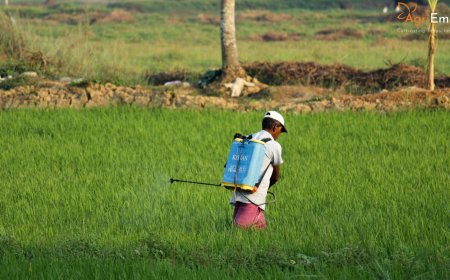
Under the terms of the pact, both countries will actively work together to share modern farming practices and agricultural innovations. India, which has made significant progress in areas like crop diversification, irrigation technology, and digital farming solutions, will extend its expertise to Bhutan. This exchange of knowledge and technology will help Bhutanese farmers adopt advanced farming techniques, reduce post-harvest losses, and increase overall productivity. On the other hand, India will benefit from Bhutan’s experience in sustainable farming and eco-friendly agricultural methods, particularly in organic farming, which is gaining global recognition.
Another key aspect of the agreement focuses on ensuring food security and resilience against climate change. With agriculture being highly vulnerable to unpredictable weather patterns, both nations have recognized the urgent need to create strategies that safeguard farmers against risks. Joint research programs, capacity-building initiatives, and farmer training workshops will be conducted to develop crops that are more resistant to climate stress. The pact also envisions strengthening value chains and market access, enabling farmers from both sides to get better returns for their produce while reducing dependency on imports.
The pact is also expected to open new trade and investment opportunities in the agriculture sector. By streamlining agricultural exports and imports, India and Bhutan aim to create a robust system that supports farmers, agribusinesses, and consumers alike. Bhutanese produce, especially organic fruits and vegetables, can find a larger market in India, while Indian agri-products and technologies will have greater reach in Bhutan. This two-way partnership will not only boost rural economies but also contribute to the overall economic development of both nations.
Leaders from both India and Bhutan have expressed optimism about the long-term impact of this cooperation. They believe that this pact goes beyond economic benefits and symbolizes the deep cultural and geographical ties that have always existed between the two nations. By focusing on agriculture—a sector that directly affects millions of lives—the agreement ensures that the partnership remains people-centric, inclusive, and future-ready. The pact is being seen as a model of regional cooperation that other neighboring countries can emulate to strengthen food systems and farmer livelihoods in South Asia.