




















Heavy Rains Cause Crop Loss Across 56,000 Hectares in Belagavi
Unseasonal heavy rains in Belagavi district have damaged standing crops across nearly 56,000 hectares, creating uncertainty for farmers dependent on kharif harvests.

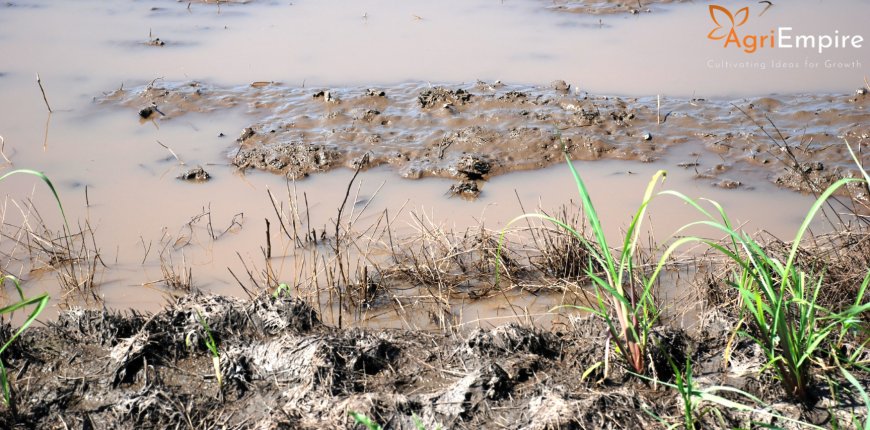
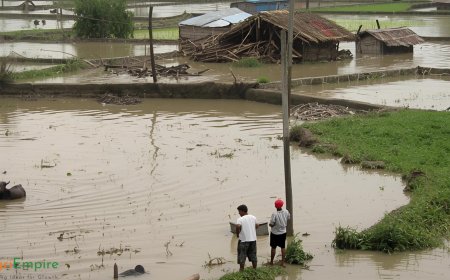
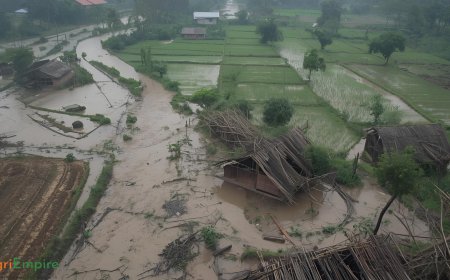
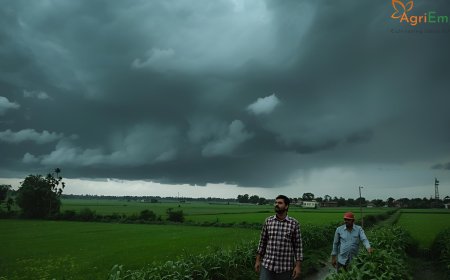
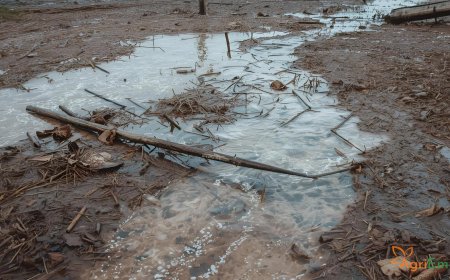
Belagavi district has been severely impacted by heavy monsoon rains, which have damaged crops spread over nearly 56,000 hectares. The incessant rainfall over the past few days has not only waterlogged fields but also washed away standing crops like maize, soybean, sugarcane, and pulses. Agricultural officials have confirmed that the scale of damage is widespread, leaving thousands of farmers in distress.
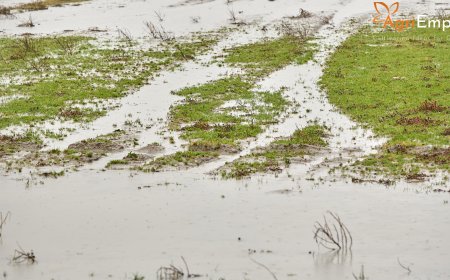
The kharif season, which farmers depend on for their yearly sustenance, has been disrupted. Waterlogging in low-lying fields has caused root damage to many crops, making recovery difficult. In some villages, entire paddy fields have been submerged, leading to fears of total crop failure. Farmers who had invested heavily in seeds, fertilizers, and mechanization now face uncertain returns.
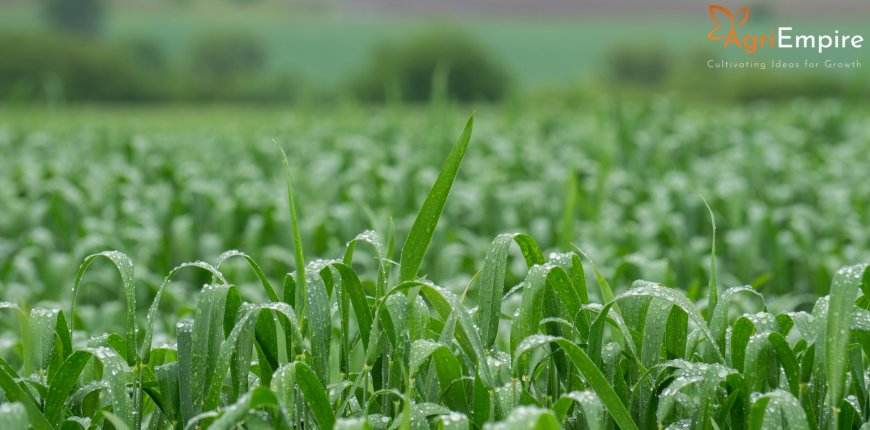
District authorities have initiated surveys to assess the scale of damage. Preliminary reports suggest that maize and soybean fields are the worst affected, while horticultural crops like vegetables have also suffered heavy losses. Officials noted that while rainfall has been above average, the lack of adequate drainage facilities has aggravated the crisis.
Farmer organizations in Belagavi have demanded immediate compensation and relief packages from the state government. They are urging for crop insurance settlements to be fast-tracked, along with input subsidies to ensure farmers can prepare for the next season. Many pointed out that repeated crop losses due to erratic weather patterns are pushing rural families into debt.
Experts suggest that building resilient agricultural infrastructure—including better drainage, flood-tolerant crop varieties, and early warning systems—is crucial. Without structural reforms, heavy rain events like this will continue to erode farmer confidence and undermine food security in Karnataka’s fertile belts.