



















Downpour Destroys 30% Cotton Crop Acreage in Nashik Region
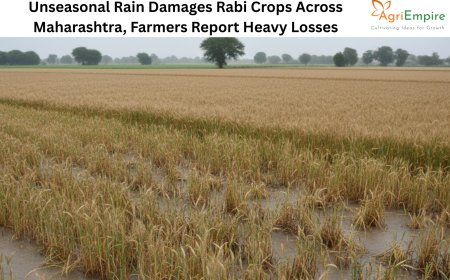
Heavy rains have severely damaged cotton crops across Maharashtra’s Nashik region, destroying nearly 30% of the total cultivated area. Districts like Ahilyanagar and Jalgaon are among the worst affected, with significant losses reported by farmers.

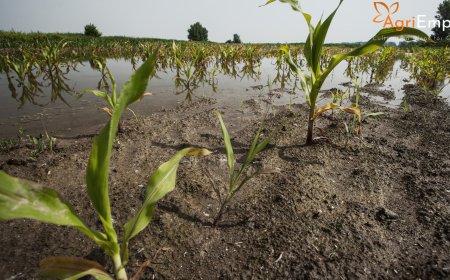
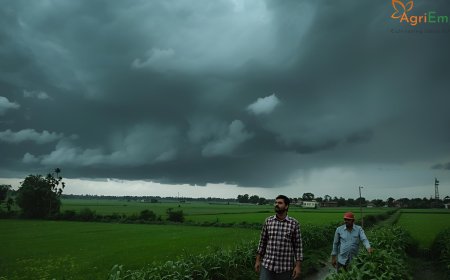
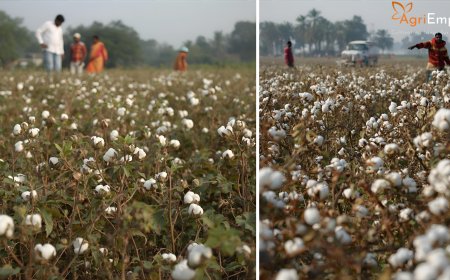
The Nashik region of Maharashtra has been facing one of its harshest monsoon impacts this season, with incessant rainfall destroying nearly 30% of the cotton crop acreage. Reports suggest that approximately 2.75 lakh hectares of farmland have suffered significant damage due to continuous downpours, leaving farmers in distress and threatening the region’s cotton economy.
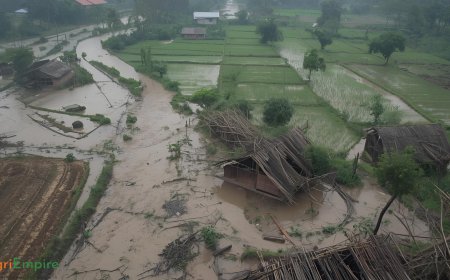
Ahilyanagar and Jalgaon districts have emerged as the worst affected, where farmers claim that weeks of heavy rain submerged their standing crops, leading to complete yield loss in several areas. The destruction has not only impacted small-scale cultivators but also medium and large-scale growers who had invested heavily in hybrid cotton seeds and fertilizers this season.
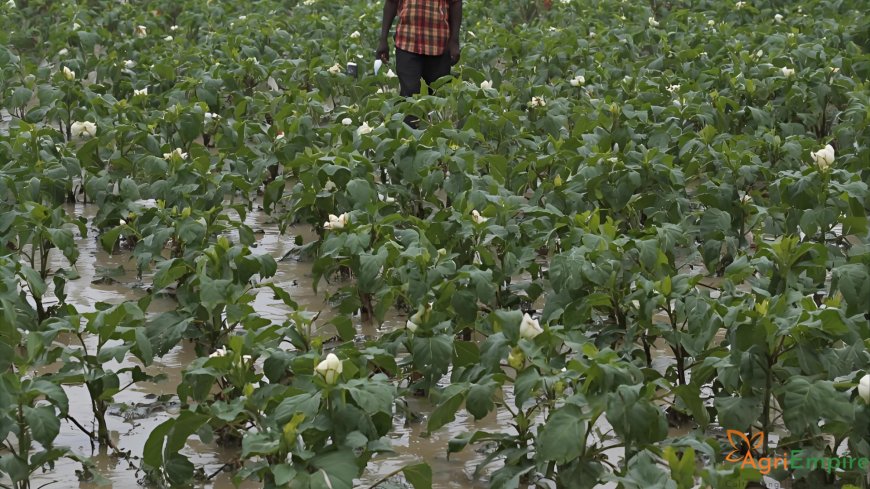
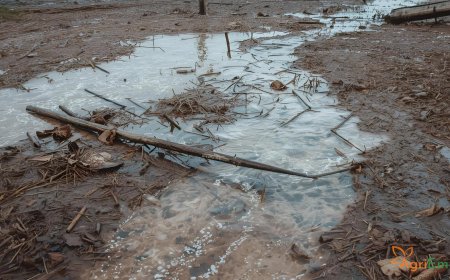
According to local agricultural officers, the region experienced above-normal rainfall in September, exceeding the average by over 40%. The prolonged moisture and waterlogging have triggered fungal infections and root rot in cotton plants, further worsening the situation. Many farmers are now left with no choice but to plough back their damaged fields.
Farmer organizations have demanded immediate government intervention and compensation under the crop insurance and relief schemes. They have also urged the state to deploy rapid inspection teams to assess the damage accurately before the October-end reporting deadline. Agricultural experts warn that the losses could have a ripple effect on cotton supply and market prices in the coming months.
As authorities begin assessing the ground situation, rehabilitation and financial support remain critical for affected farmers. The government is also expected to announce special packages or extend the crop inspection deadline to ensure that all impacted cultivators receive proper assistance. For now, the focus remains on salvaging what remains of the cotton crop and preventing further loss due to persistent rains.