




















Maharashtra Sugar Mills Warn of Delayed Cane Crushing as Production Drops Sharply
Sugar mills in Maharashtra are preparing for a delayed crushing season as the state expects one of its lowest cane outputs in recent years. Erratic rains, drought pockets and uneven crop growth have reduced cane availability, placing pressure on mill finances and farmer incomes.

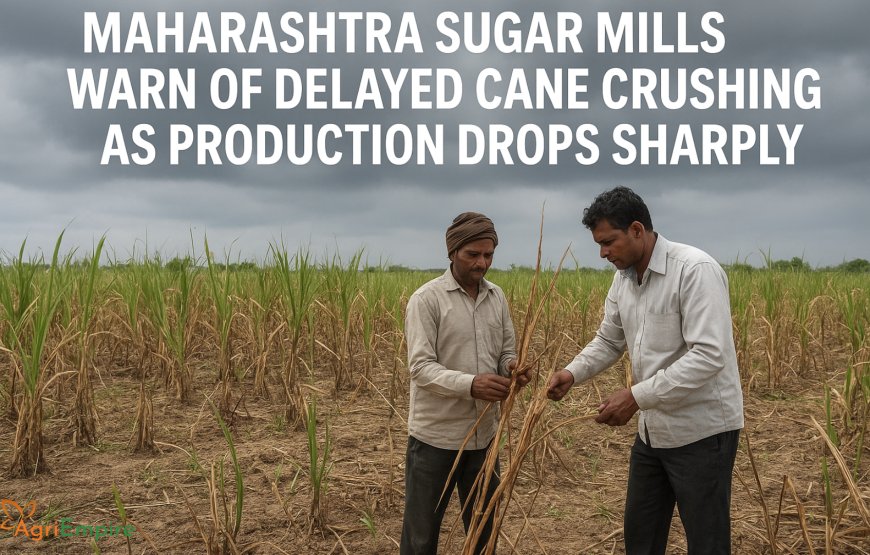
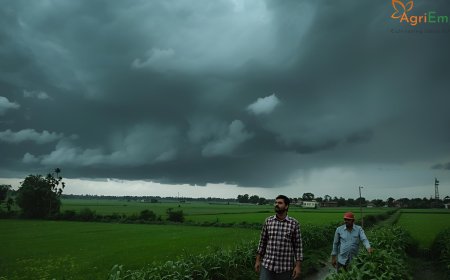
Maharashtra’s sugar industry is bracing for one of its most challenging seasons as mills warn of delayed crushing due to a significant drop in sugarcane availability. Industry bodies report that the combination of weak monsoon spells, drought-like conditions in several cane-growing districts, and erratic early rains have led to poor crop growth. Many fields show stunted cane, low girth, and reduced plant density, pushing mills to postpone operations that usually begin in late October or early November.
Districts such as Solapur, Ahmednagar, Beed, Osmanabad, Sangli, and Satara are among the worst affected, with field reports indicating a 25 to 35 percent drop in yield. Farmers say the lack of consistent water supply from canals and incomplete reservoir storage has worsened the crop’s health. Some farmers were even forced to cut their cane early as fodder for livestock, reducing the overall harvestable area for the upcoming season.
Mill owners explain that early crushing with insufficient cane could lead to operational losses, lower sugar recovery levels, and increased idle time for workers. Many cooperative mills are already financially stressed from previous low-yield seasons, making them hesitant to begin crushing without assurance of steady supply. Private mills, too, are expected to wait two to three weeks longer than usual before starting full-scale operations.
Farmers fear that delayed crushing will directly affect their cash flow during the crucial Rabi sowing period. With rising input prices, diesel costs, and loan repayment pressures, sugarcane growers rely heavily on timely payments from mills. Any delay in crushing disrupts this cycle, leaving farmers with limited options to invest in their next crop. Some farmer unions are demanding that the government intervene with compensation measures and ensure mills start operations on time.
Agriculture experts warn that if the situation continues, Maharashtra might face one of its lowest sugar outputs in nearly a decade. This could also influence the national sugar availability and export policy for the 2025–26 season. Many recommend that the state government prioritize irrigation support and drought management for cane-growing talukas to prevent long-term decline in the sector. The coming weeks will determine whether mills can gather sufficient cane to begin crushing without further delays.