



















Heavy Rains Damage 273 Hectares of Crops in Pune District
Unseasonal heavy rains in Pune district have damaged 273 hectares of crops, including onions, vegetables, kharif produce, and marigolds. Villages in Purandar and Indapur talukas are the worst affected, leaving farmers in distress ahead of harvest season.

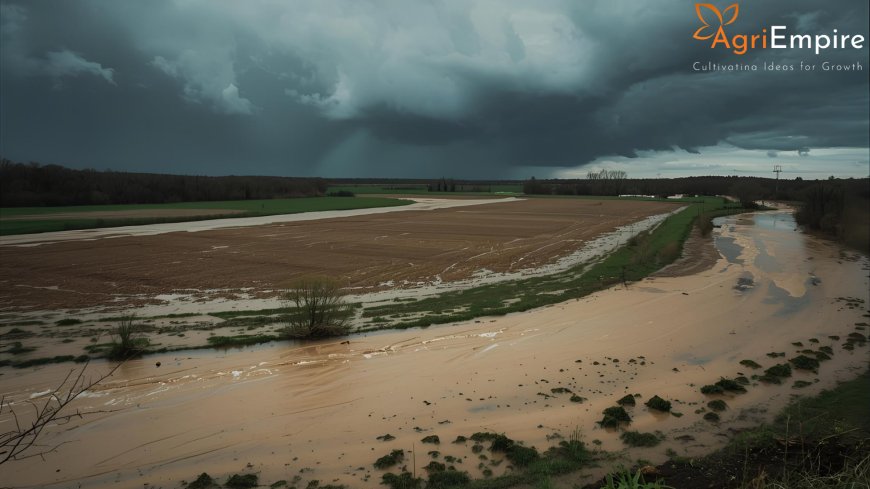
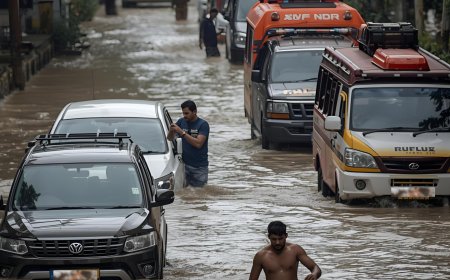
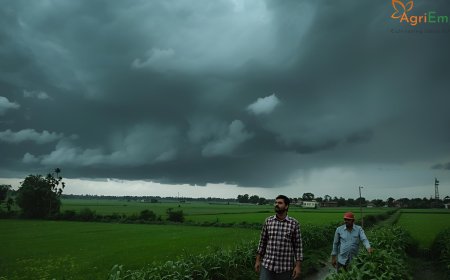
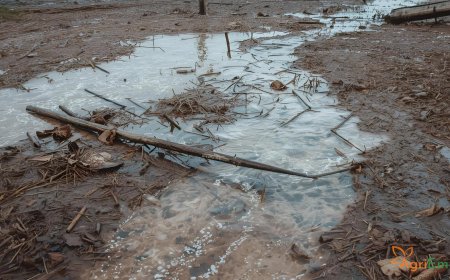
Unseasonal rainfall has once again disrupted farming activities in Maharashtra, with Pune district reporting crop damage across 273 hectares. According to official reports, heavy showers over the past few days have submerged fields, particularly affecting onions, vegetables, kharif crops, and marigold flowers. The rainfall, coming at a time when farmers were preparing for harvest, has inflicted significant losses on cultivators already struggling with fluctuating market prices.
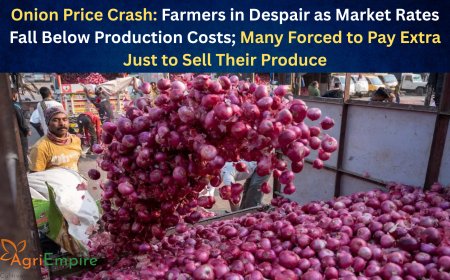
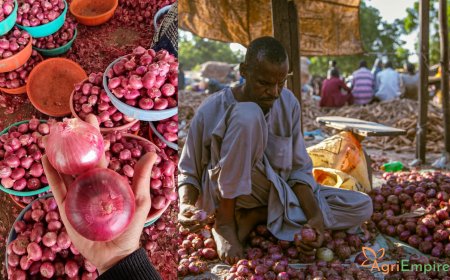
The villages of Purandar and Indapur talukas have been the hardest hit. Farmers in these regions reported that onion stocks stored in pits were destroyed due to waterlogging, while standing kharif crops such as soybean and pulses suffered yellowing and root damage. Vegetables like tomatoes and leafy greens, grown in large quantities for local markets, were also severely affected, raising concerns of short-term price volatility.
Horticultural crops such as marigolds, which are grown in large areas for the festive season, have been ruined as continuous rain caused flower buds to rot. With festivals like Navratri and Diwali approaching, many farmers were expecting good earnings from flower sales, but the losses have left them disheartened. Experts warn that the damage to flowers could also affect market supply in Pune and Mumbai.
Agriculture officials have begun surveying the extent of damage, with panchanama (field inspections) underway. Relief compensation is expected to be distributed under state and central government schemes for affected farmers. However, cultivators point out that compensation is often delayed or insufficient compared to the real cost of production and lost income. Many farmers are demanding immediate assistance before the festive season begins.
This episode highlights the increasing vulnerability of agriculture to climate variability. Frequent unseasonal rains, coupled with inadequate drainage infrastructure in rural areas, are creating recurring cycles of crop loss. Experts suggest strengthening crop insurance, building better water management systems, and diversifying farming practices as long-term solutions to safeguard rural livelihoods.