




























White Gold Shines: Cotton Prices Surge in India as West Asia Conflict Drives Up Crude Oil and Synthetic Fiber Costs
The ongoing war in West Asia has triggered a significant rise in domestic cotton prices in India. As crude oil prices climb, the cost of synthetic alternatives like polyester has increased, shifting global demand back to natural cotton and providing much-needed relief to Indian farmers.

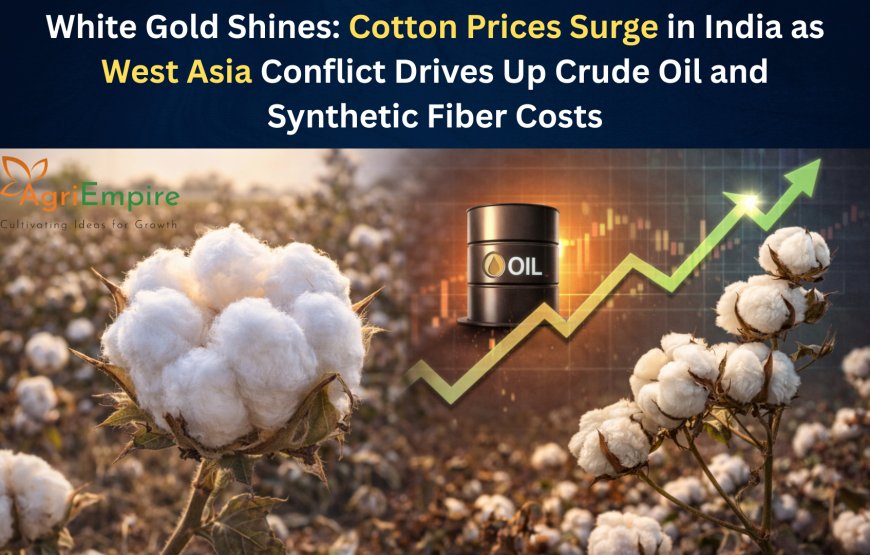
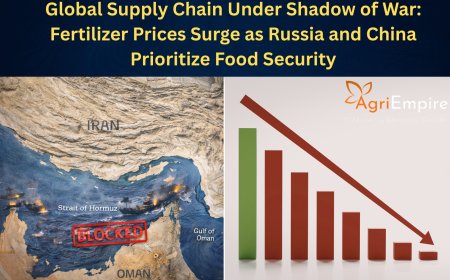
The Indian cotton market, often referred to as 'White Gold,' is experiencing a sharp upward trend as of March 31, 2026. This price correction is primarily a result of the intensifying geopolitical conflict in West Asia, which has sent shockwaves through the global energy and commodity sectors. As international crude oil prices surge due to supply chain disruptions in the Persian Gulf, the manufacturing cost of synthetic fibers—most notably polyester—has skyrocketed. Since polyester is a petroleum-based product, its increased market price has made natural cotton a more competitive and attractive option for the global textile industry.
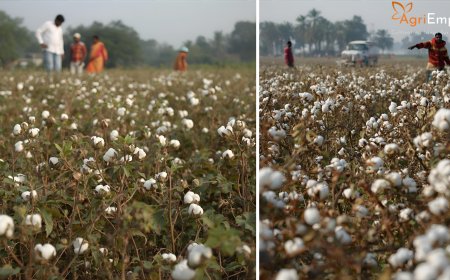
For months, Indian cotton farmers had been struggling with stagnant prices and competition from cheaper synthetic alternatives. However, the current "crude oil factor" has effectively shifted the demand curve. Textile mills that previously prioritized synthetic blends are now increasing their procurement of raw cotton to keep production costs manageable. This shift has led to a steady improvement in farm-gate prices across major cotton-producing belts in Maharashtra, Telangana, and Gujarat.
In Maharashtra’s Vidarbha and Marathwada regions, where cotton is a staple crop, the price hike has brought a sense of optimism among growers. While the harvest season for many is concluding, those with stored stocks are now seeing better returns compared to the beginning of the year. Market analysts note that as long as crude oil remains volatile and expensive, cotton will maintain its premium status in the fiber market. However, they also caution that logistical challenges in international shipping could eventually impact export volumes if the conflict extends further.
Furthermore, the domestic demand for cotton is expected to remain firm through the summer. With rising temperatures, the demand for breathable cotton clothing typically peaks, further supporting the price floor set by the global energy crisis. Several Agricultural Produce Market Committees (APMCs) have reported increased trading activity as buyers move to secure stocks before any further price escalations.
As the global situation evolves, the Indian government is being urged to monitor export-import dynamics closely to ensure that the domestic textile chain remains balanced. For now, the "shining" of white gold serves as a rare positive outcome for farmers amidst a period of global uncertainty.