


























Massive Yield Loss in Pune: Farmers Demand Compensation Amid 'Parbhani Shakti' Jowar Seed Failure
Agricultural crisis hits Bhor Taluka in Pune as 'Parbhani Shakti' Jowar seeds lead to widespread crop failure. Farmers report losses of up to ₹40,000 per acre, prompting a high-level investigation by the District Agriculture Department.

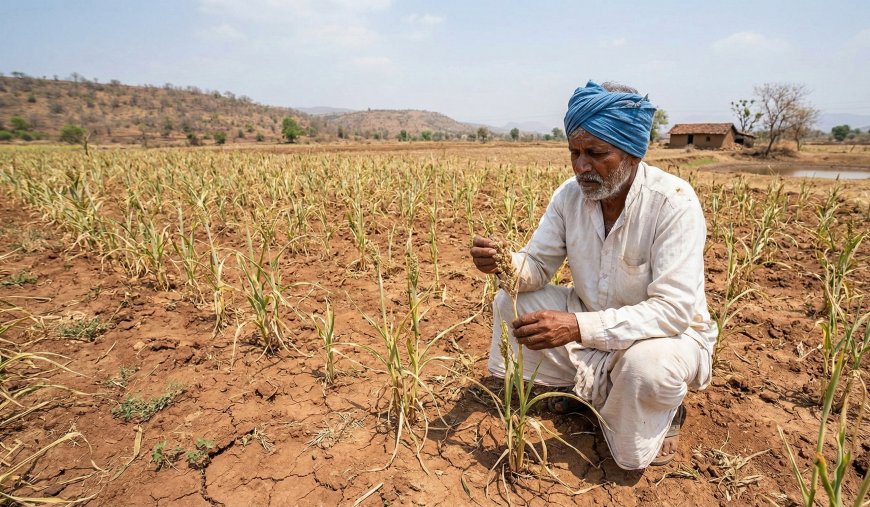
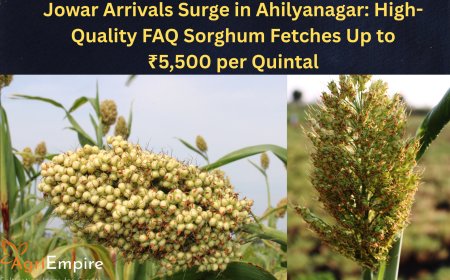
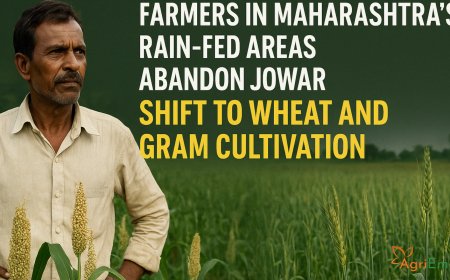
The agricultural landscape in Pune's Bhor Taluka is currently facing a severe crisis as hundreds of farmers report a total collapse of their Jowar (Sorghum) crops. The issue centers around the 'Parbhani Shakti' seed variety, which was widely distributed through authorized channels for the current Rabi season. Instead of the lush, high-yielding fields expected by early March, vast stretches of land—totaling over 240 acres—now feature stunted, underdeveloped plants that have failed to reach maturity. This unexpected biological failure has sent shockwaves through the local farming community, who rely heavily on this crop for both financial stability and fodder for livestock.
Economic distress is mounting as initial estimates suggest that farmers are suffering losses of approximately ₹40,000 per acre. This figure includes the soaring costs of high-quality fertilizers, labor, and the initial investment in the seeds themselves. For many small-scale landowners in the region, this represents their entire seasonal savings. The frustration is palpable, with many farmers claiming that despite following all recommended irrigation and fertilization protocols provided by the agricultural university, the 'Parbhani Shakti' seeds simply failed to perform as advertised, leading to a "hollow yield" scenario.
In response to the growing unrest, the District Agriculture Department has officially intervened. District Agriculture Officer Sanjay Kachole has confirmed that a specialized committee has been formed to conduct an on-site technical evaluation. The investigation aims to determine whether the crop failure is a result of a specific "bad batch" of seeds, a genetic mismatch with the local soil conditions, or the impact of fluctuating climatic patterns. This inquiry is crucial for the farmers, as a formal "seed failure" certification is required for them to claim any form of insurance or government compensation.
The 'Parbhani Shakti' variety was originally promoted for its biofortified properties and high nutritional value, making this mass failure particularly disappointing for the state's agricultural goals. Agricultural experts from local research stations are currently collecting samples from the affected fields in Bhor to analyze the DNA and germination quality of the remaining stalks. While the seed companies have yet to issue a formal statement, the pressure from local farmer unions is intensifying, with demands for an immediate moratorium on the sale of this specific variety until the investigation is concluded.
As the heatwave warnings for Maharashtra intensify moving into mid-March, the window for recovery is rapidly closing. Farmers who have lost their Jowar crop are now struggling to find alternative sources of fodder for their cattle, which could lead to a secondary crisis in the local dairy sector. The community is now looking toward the state government for an emergency relief package. This incident serves as a stark reminder of the vulnerabilities in the seed supply chain and the urgent need for more rigorous quality control measures before new varieties are distributed on a mass scale to the hardworking farmers of Maharashtra.