














U.S. Imposes 50% Tariff Impacting Maharashtra’s Agricultural Exports to the U.S.
A newly enforced 50% U.S. tariff on Indian agricultural and processed food exports is expected to significantly undermine Maharashtra’s farming economy. This policy poses serious threats to key export sectors, hitting farmers and food processors hard.

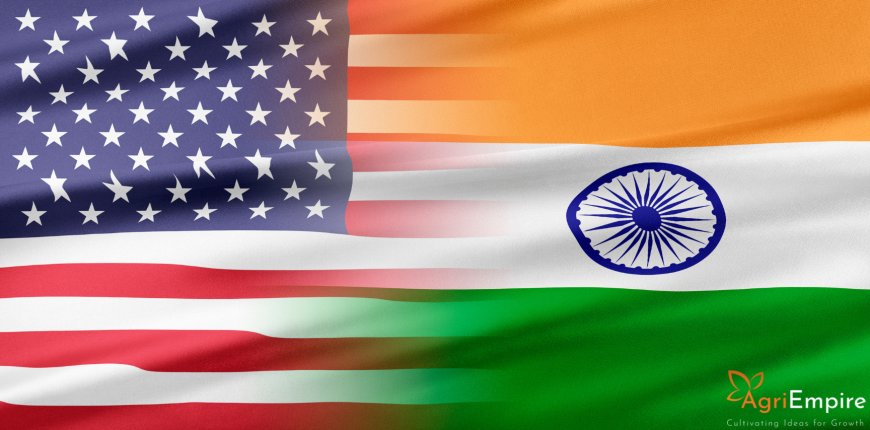
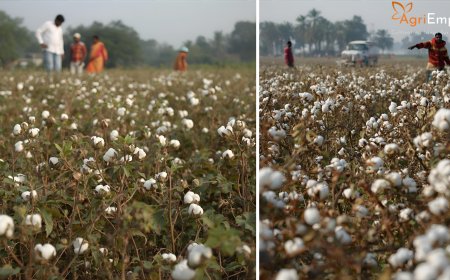
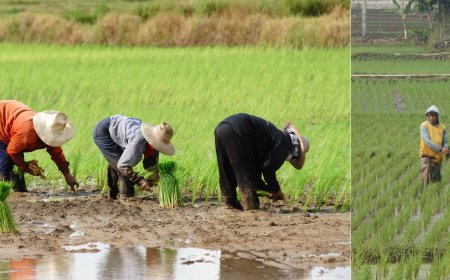
In a startling development, the United States has slapped a 50% tariff on Indian agricultural and processed food exports, sending ripples through Maharashtra’s agrarian economy. As one of the country's foremost agricultural hubs—home to regions like Nashik that specialize in horticulture and agro-processing—the state now faces the looming threat of disrupted trade relations and depressed revenues. Key commodities such as processed vegetables, fruits, cereals, and nuts that enjoy high demand in U.S. markets may struggle to compete due to suddenly inflated prices.
A glance at APEDA’s data paints a startling picture: in fiscal 2024–25, Maharashtra shipped 161,000 tonnes of agri and processed food products worth ₹3,684 crore to the U.S. However, the first quarter of 2025–26 (April–June) saw only 42,077 tonnes worth ₹1,113 crore reaching U.S. shores—down sharply from 70,616 tonnes valued at ₹1,451 crore during the same period last year. The tariff has directly dampened export volumes and raised alarm among exporters and farmers alike.
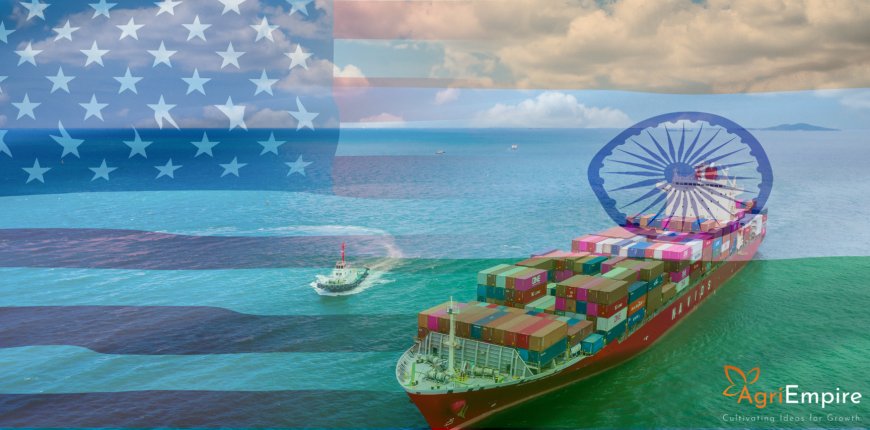
Local industry groups are sounding the alarm. The Maharashtra Chamber of Commerce, Industry & Agriculture (MACCIA) has urgently appealed to both state and central governments to consider support measures—ranging from subsidies to export incentives—to shield businesses from this sudden blow. With margins already tight, sectors like horticulture, processed foods, and agro-processing fear slipping into economic distress.
This tariff shock must be understood in the broader context of escalating U.S.–India trade tensions. Alongside the 50% duty, stakeholder organizations like FIEO warn that over 55% of India’s exports to the U.S., amounting to $47–48 billion, are now pricing disadvantaged—at risk of losing ground to competitors like Bangladesh, Vietnam, and China. Maharashtra’s agri-exporters, located in one of India's most fertile and export-driven states, stand at the frontline of this unfolding economic crisis.
Experts view this as a critical juncture for strategic policy response. Immediate measures—such as access to alternate export destinations, tariff relief, and export credit facilitation—are desperately needed. In parallel, long-term strategies must focus on enhancing supply chain competitiveness, value addition at source, and exploring emerging markets in Europe, the Middle East, Africa, and Southeast Asia to buffer against future trade volatility.