

















Relief for Pune Farmers: Maharashtra Government Approves Water Reallocation for Kalmodi Project; 6,622 Hectares to Gain Irrigation
The state government has sanctioned a strategic reallocation of water from the Kalmodi (Arala) medium project, benefiting farmers in Ambegaon and Khed talukas. This move will bring an additional 1,557 hectares under irrigation, reaching a total of 6,622 hectares and aiming to make several villages tanker-free.

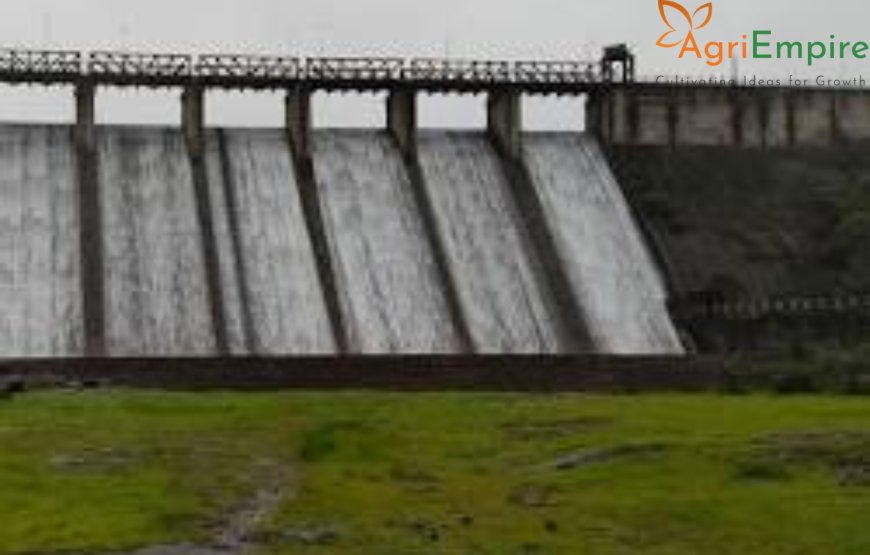
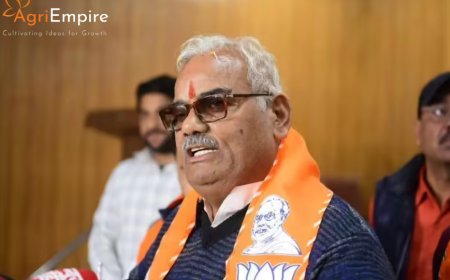
In a major boost for the agrarian economy of Ambegaon and Khed talukas, the Maharashtra government has officially approved the reallocation of water resources from the Kalmodi (Arala) medium irrigation project. The decision, announced on March 23, 2026, is set to transform 6,622 hectares of land into irrigated zones, fulfilling a long-standing demand of local farmers. Former Home Minister Dilip Walse Patil confirmed that this restructuring will specifically benefit the Satgaon Pathar region, known for its chronic water scarcity.
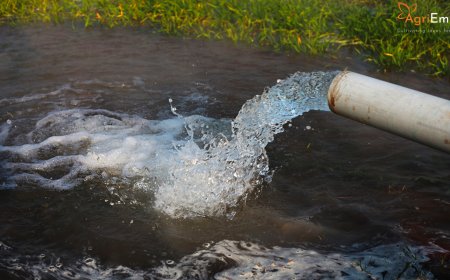
Built on the Arala tributary of the Bhima River, the Kalmodi dam has been reaching full capacity every June since 2010. However, administrative and technical hurdles previously limited its reach. Under the new "Eight-Month Water Supply Policy," summer season provisions were adjusted, freeing up 4,585 million cubic meters (MCM) of additional water. This surplus will now be utilized through the Bhimashankar Tribal Lift Irrigation Scheme and other local projects in villages like Eklahare, Kude, Wafgaon, Varude, Pur, and Kanhersar.
The project will be implemented in two distinct phases:
-
Phase 1: A closed-pipe distribution system will provide water to 1,625 hectares in Khed taluka.
-
Phase 2: Water will be released into the Vel River to feed Kolhapur-style weirs (Bandharas), irrigating 3,000 hectares in Ambegaon taluka.
This restructuring results in a 10% increase in the total command area, an additional 1,557 hectares compared to the original 1997 plan. For years, villages in this plateau region have relied on tankers for drinking water during the summer. Local residents and former sarpanchs believe that steady irrigation will not only eliminate tanker dependency but also encourage the cultivation of high-value cash crops and vegetables, potentially reversing rural-to-urban migration.
By optimizing existing infrastructure through policy refinement, the Kalmodi project serves as a model for modern Water Management that prioritizes regional equity and agricultural productivity.