









South Africa’s Maize Harvest Surges to 15.8 Million Metrics Tons, Marking 23% Recovery in 2025
South Africa achieves a robust maize harvest of approximately 15.8 million metric tons in 2025, marking a 23% recovery from the previous year. This rebound sets the stage for export-driven growth, particularly toward Asian markets, while putting pressure on regional and global competition.

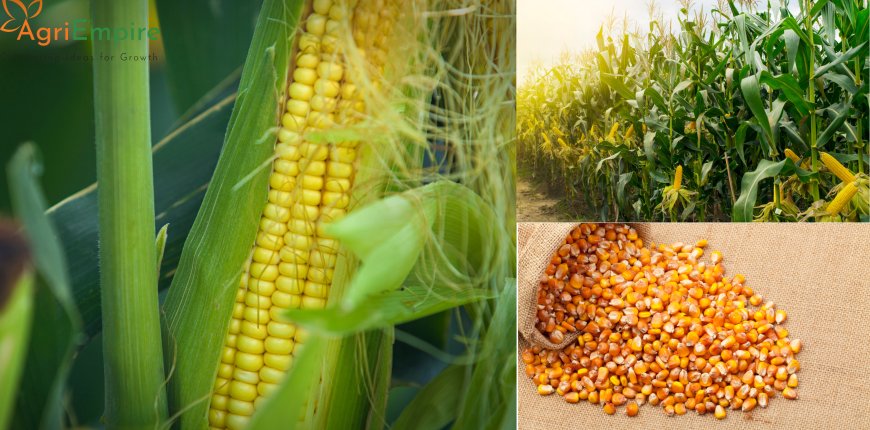
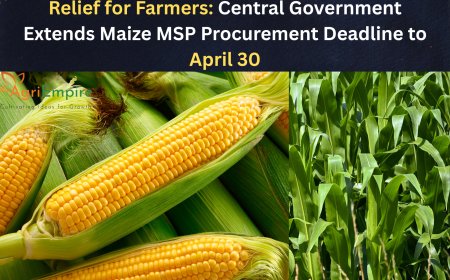
South Africa, long regarded as the maize powerhouse of the continent, has produced an impressive 15.8 million metric tons of maize in 2025—an encouraging 23% increase over the prior year’s drought-ravaged 12.85 million tons. The uplift is largely attributed to stronger yields—up 18% per hectare—and renewed deliveries of produce from both commercial and small-scale farmers, signaling a potent agricultural comeback.
Once stricken by El Niño–induced drought, cornfields across the Free State and Mpumalanga provinces have rebounded, supported by well-distributed rains between February and March. The U.S. Department of Agriculture (USDA) notes that while the harvested area has slightly declined, improved soil moisture conditions and farmer resilience have played pivotal roles in driving production gains.
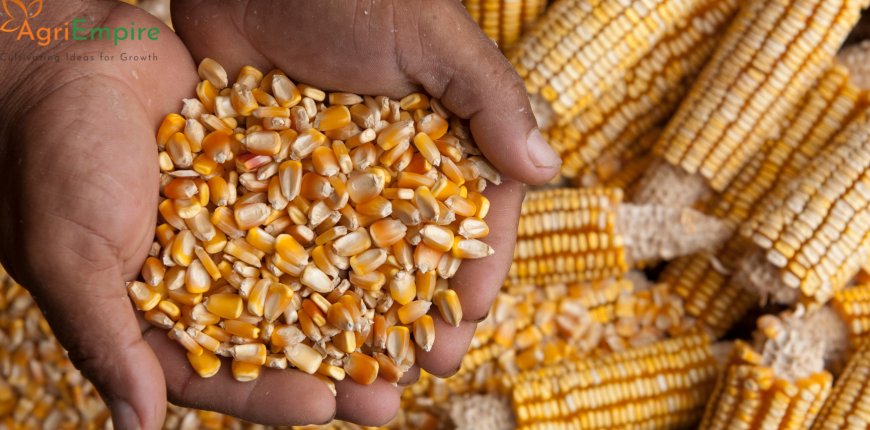
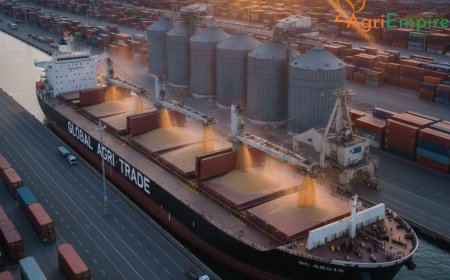
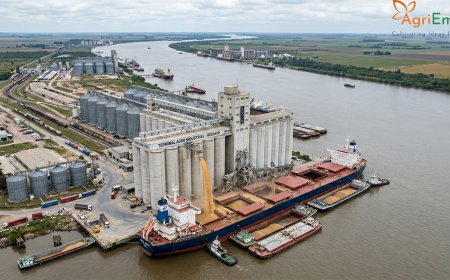
This regenerated output presents a prime opportunity for South Africa to shift its export focus toward booming Asian markets, primarily Vietnam and South Korea. These nations are fast becoming key importers of South African maize—especially the yellow variety used in animal feed—while demand from domestic and regional markets remains steady.
However, challenges linger. As local supply strengthens in neighboring countries like Zimbabwe and Zambia, regional competition may intensify. The USDA projects stable domestic consumption and sees export potential as a strong driver for the corn sector—with open pathways contingent on consistent production and supportive trade policies.
Economists and agriculture experts see this recovery as more than just a harvest rebound—it’s a harbinger of long-term resilience. They recommend bolstering post-harvest infrastructure, investing in climate-adaptive agriculture, and leveraging new export partnerships to ensure South Africa’s maize sector remains competitive in an increasingly globalized economy.