













India Green-Lights Ethanol from Sugarcane Juice, Syrup & Molasses for 2025–26
The Indian government permits unrestricted ethanol production from sugarcane juice, syrup, and molasses starting November 1, 2025, aligning with climate goals and boosting farmers’ incomes amid ample cane supply.

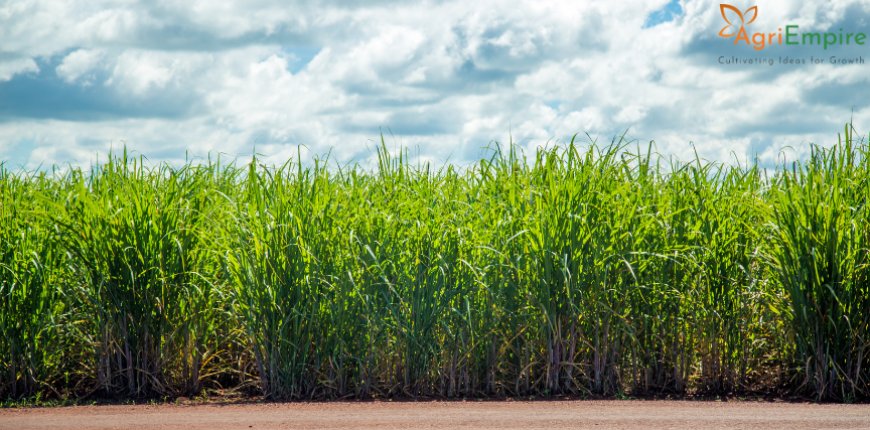
In a landmark move, the Indian government has lifted all restrictions on the production of ethanol from sugarcane juice, syrup, and various types of molasses for the 2025–26 supply year starting November . This regulatory shift departs from previous constraints caused by limited sugarcane availability, signaling a renewed push toward renewable fuel. The Agriculture Ministry emphasized that sugar diversion for fuel will be closely monitored to protect domestic sugar supplies—thanks to a bumper monsoon that has boosted cane output.
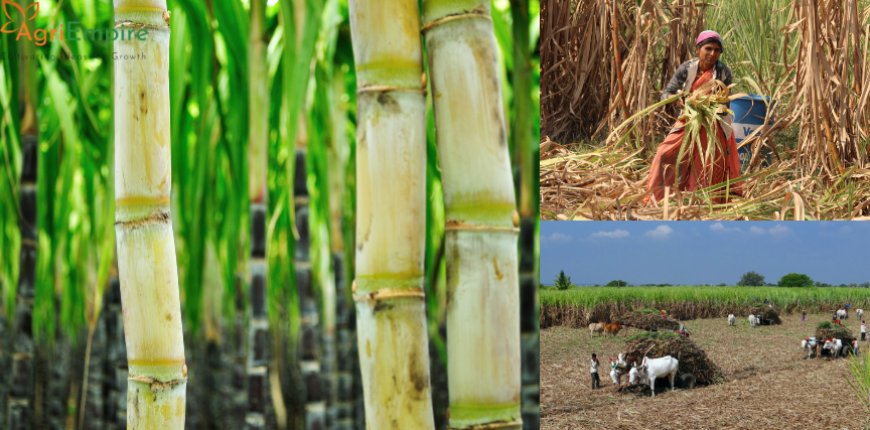
Maharashtra, a major sugarcane-producing state, has responded enthusiastically to the move. Prominent sugar millers such as E.I.D.-Parry, Balrampur Chini Mills, Shree Renuka, Bajaj Hindusthan, and Dwarikesh have ramped up ethanol production capacity. A key industry figure from Maharashtra suggested raising ethanol procurement rates to assure fair revenues for cane growers, injecting new optimism into the rural agrarian economy.
This policy aligns with India’s ambitious target of achieving 20% ethanol blending (E20) in gasoline by 2025–26, reinforcing the country’s commitment to lowering petroleum imports and minimizing carbon emissions. The liberalized ethanol policy is expected to catalyze both investments in ethanol infrastructure and increased farmer incomes through reliable off-take mechanisms.
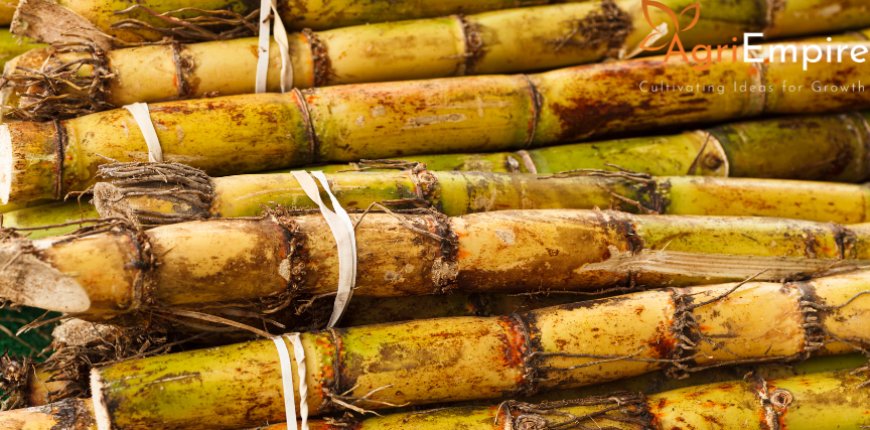
By allowing multiple feedstocks—juice, syrup, and molasses—to be used for ethanol production, the government not only broadens viability but also encourages sugar mills to invest in distillation facilities. This adaptability may drive localized energy generation solutions and create closer integration between agriculture and renewable industries across cane belts.
Overall, this development holds win-win potential: farmers gain better market access and remuneration, the energy sector secures cleaner, domestically produced fuel, and the government takes a key step toward sustainable and energy-secure growth. With cane acreage on the rise following favorable rains, the timing couldn’t be better.