















Maharashtra Launches Agriculture Export Policy to Boost Farmer Income and Global Market Access
The Maharashtra government has launched a new Agriculture Export Policy aimed at promoting exports of key crops, improving farmer income, and strengthening global market linkages through better logistics, quality standards, and export consistency.

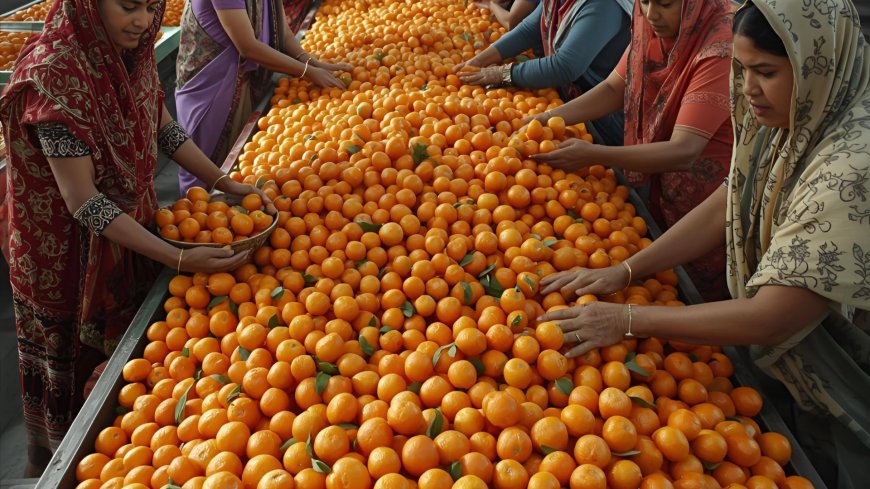
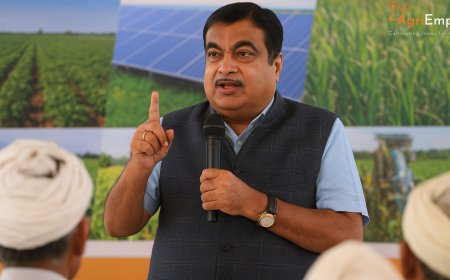
The Maharashtra government has introduced a comprehensive Agriculture Export Policy aimed at expanding the state’s presence in global agricultural markets. The initiative focuses on increasing exports of more than 20 agricultural commodities while ensuring farmers receive better price realization. Officials emphasized that exports can significantly improve farm profitability compared to relying solely on domestic markets.
The policy intends to strengthen the entire export value chain, including grading, packaging, cold storage infrastructure, logistics, and certification systems. Authorities highlighted that inconsistent export regulations have previously reduced buyer confidence, and the new policy aims to provide stability and predictability for international traders and farmers alike.
Government representatives stated that improving agricultural exports could raise farmers’ net income by nearly 40–45 percent if supported by proper infrastructure and market access. Special emphasis will be placed on export-oriented crops such as fruits, vegetables, pulses, and processed agricultural products, where Maharashtra already has competitive advantages.
The policy also encourages collaboration between farmer producer organizations (FPOs), exporters, and agri-business companies. Training programs will help farmers understand international quality standards, residue limits, and packaging requirements. By aligning production practices with global demand, the state hopes to create sustainable export ecosystems benefiting small and marginal farmers.
Experts believe this move positions Maharashtra as a major agricultural export hub in India. With rising global food demand and improved logistics networks, the initiative could enhance rural employment, stabilize farmer incomes, and strengthen the state’s agricultural economy in the long term.