


















Fuel Panic in Rural Maharashtra: Rumors of Diesel Shortage Trigger Long Queues at Petrol Pumps; Farmers Face Harvesting Delays
Widespread rumors of an impending diesel shortage in rural Maharashtra have led to panic buying and long queues at fuel stations. With the Rabi harvesting season at its peak, farmers are struggling to secure enough diesel for tractors and harvesters, despite government assurances that stocks are sufficient.

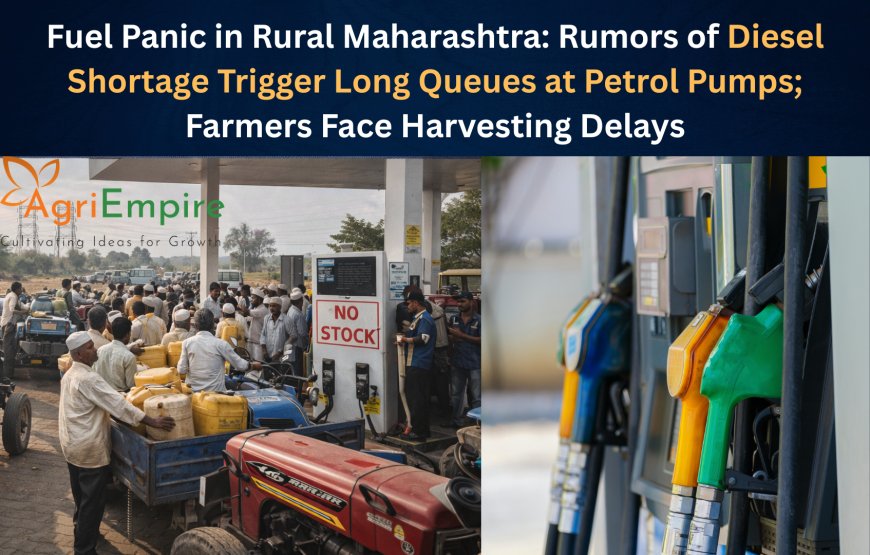
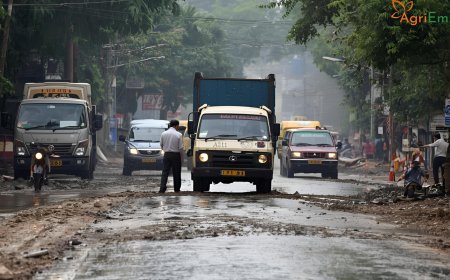
Agricultural operations across rural Maharashtra have hit a major roadblock today, March 30, 2026, as unverified rumors of a severe diesel shortage have sparked panic buying. In districts like Ahilyanagar (Ahmednagar), Solapur, and Nashik, farmers were seen queuing for hours at petrol pumps with large plastic containers and tractors. This sudden surge in demand has forced several rural fuel stations to impose a "limit" on diesel sales, often restricting purchases to just 20 or 50 liters per person. For farmers currently in the middle of the Rabi harvesting season, this restriction is proving catastrophic, as heavy machinery like combine harvesters requires hundreds of liters of fuel daily to operate efficiently.
The panic reportedly began on social media platforms, suggesting that a major transporters' strike or a logistical breakdown at oil depots would cut off fuel supplies for several days. However, the Maharashtra State Petrol Dealers Association has officially dismissed these claims, stating that there is no actual shortage and that oil companies are maintaining a steady supply to all depots. Dealers have clarified that the "dry outs" seen at some pumps are merely temporary because the storage tanks are being emptied faster than the tankers can arrive to refill them due to the unprecedented rush of panic buyers.
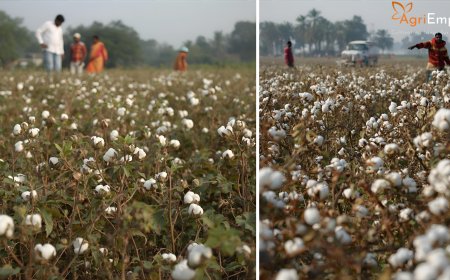
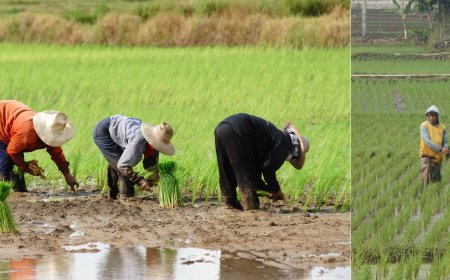
The impact on the farming community is immediate and severe. In the sugar belt of Western Maharashtra, sugarcane harvesting and transportation to mills have slowed down, while in North Maharashtra, the harvesting of wheat and gram is being delayed. Farmers are worried that any further delay could leave their crops vulnerable to unseasonal rains or rising temperatures, which could degrade grain quality. Furthermore, some private petrol pumps have reportedly increased prices arbitrarily or are prioritizing "cash-only" transactions, adding to the financial distress of the small-scale growers.
District collectors in several regions have issued orders to petrol pump owners to prioritize farmers and essential services. Official statements emphasize that there is no need for hoarding and that the administration is monitoring the supply chain around the clock. In some tehsils, police personnel have been deployed at fuel stations to manage the crowds and prevent any law and order situations arising from the long waiting times. Despite these measures, the fear of "running dry" persists in the rural interior, where access to the next pump can be several kilometers away.
As the sun sets on March 30, the situation remains tense but is slowly stabilizing as more tankers reach the rural outposts. Agricultural experts are advising farmers to stay calm and avoid bulk buying, as the artificial demand is the primary cause of the current "shortage". The government has also promised to set up a dedicated helpline for farmers to report pumps that are denying fuel or overcharging, ensuring that the critical harvesting window is not lost to baseless rumors.