
















Unseasonal Rain Damages Rabi Crops Across Maharashtra, Farmers Report Heavy Losses
Unseasonal rainfall in several districts of Maharashtra has damaged rabi crops, causing significant losses to farmers. Crops like wheat, gram, maize and vegetables have been affected, raising concerns over farm incomes and compensation.

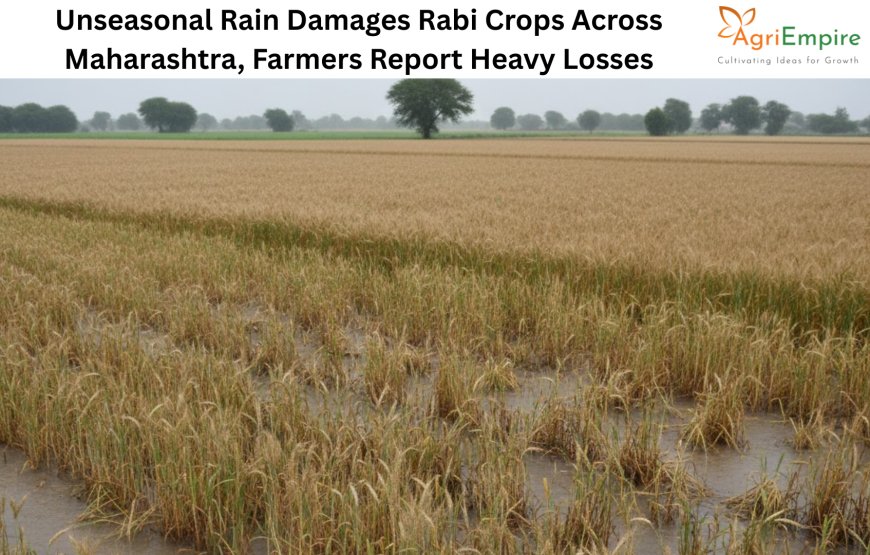
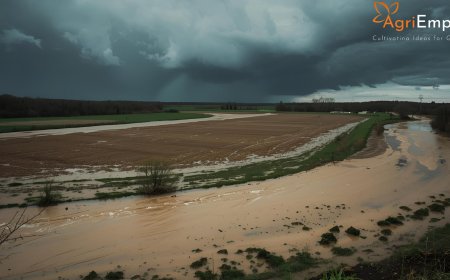
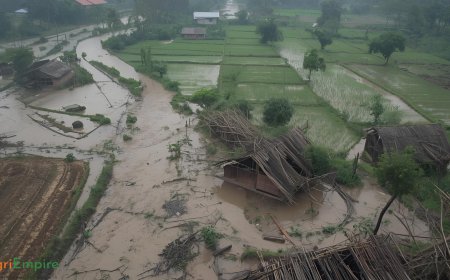
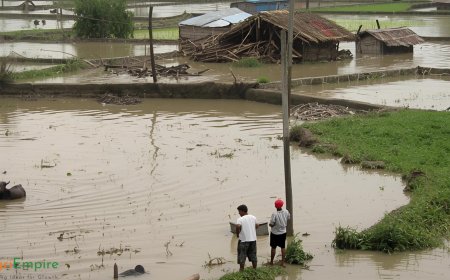
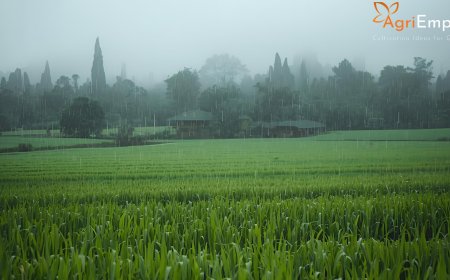
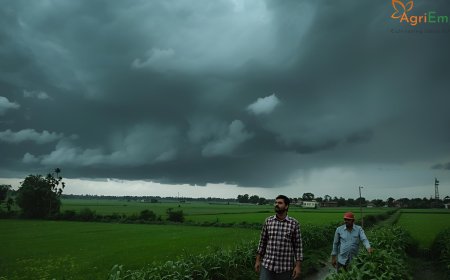
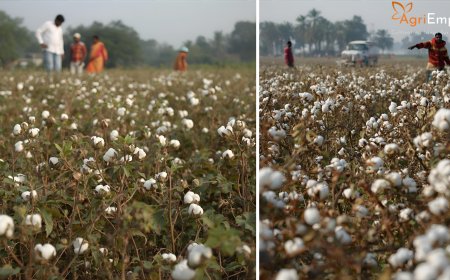
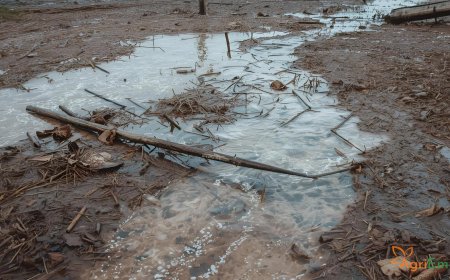
Several parts of Maharashtra have witnessed unseasonal rainfall during the rabi season, leading to widespread damage to standing crops. Farmers cultivating wheat, gram, maize, vegetables, and other rabi produce have reported heavy losses as unexpected rain disrupted harvesting schedules and damaged mature crops in the fields. In many villages, continuous moisture in the soil has caused crop lodging, rotting of grains, and deterioration in produce quality, directly impacting the market value of the harvest.
The timing of the rainfall has made the situation more difficult for farmers, as many were preparing to harvest or had already cut their crops and left them to dry in open fields. Sudden showers soaked the harvested produce, reducing grain quality and increasing the risk of fungal infections and spoilage. For perishable crops like vegetables, even short spells of heavy rain have led to rapid deterioration, forcing farmers to sell at distress prices or suffer complete losses in some cases.
Small and marginal farmers are among the worst affected, as they often lack access to proper storage facilities and drying infrastructure. With rising input costs for seeds, fertilizers, and labour, such unexpected losses can push farm households into financial stress. Many farmers depend on rabi income to repay loans taken during the kharif season, and crop damage at this stage can disrupt their entire annual financial planning, increasing dependence on credit and informal borrowing.
Agricultural experts point out that erratic weather patterns and unseasonal rainfall are becoming more frequent due to changing climate conditions. This unpredictability makes it difficult for farmers to plan sowing and harvesting cycles. There is a growing need for better weather forecasting at the village level, timely advisories for farmers, and promotion of climate-resilient farming practices. Improved drainage systems, crop varieties tolerant to excess moisture, and access to protective infrastructure can help reduce future losses.
Farmers have urged the state authorities to conduct rapid crop damage assessments and provide timely relief and compensation. Quick financial assistance can help affected families manage immediate expenses and prepare for the next cropping season. In the long term, strengthening crop insurance coverage and improving disaster response mechanisms will be essential to protect farmers from recurring climate-related shocks. Addressing these challenges is crucial for ensuring income stability and food security in the region.