






















India Braces for Above-Average Monsoon Rainfall in September
The India Meteorological Department predicts above-normal rainfall in September, exceeding 109% of the long-period average, raising chances of flash floods, landslides, and extended monsoon support for agriculture.

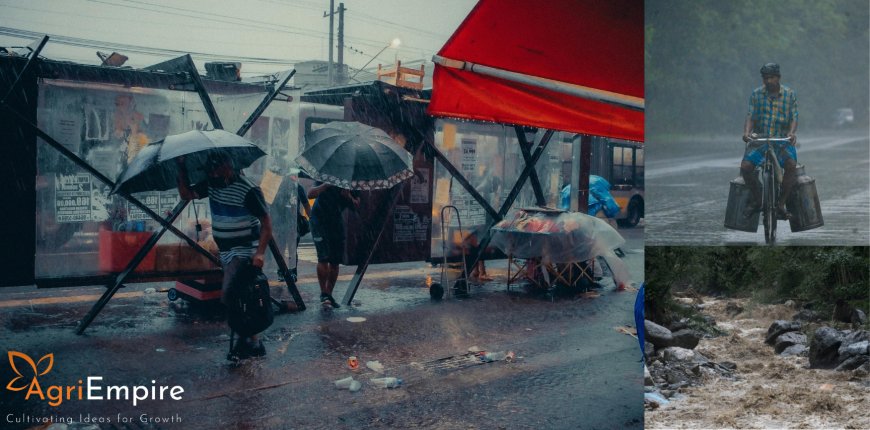
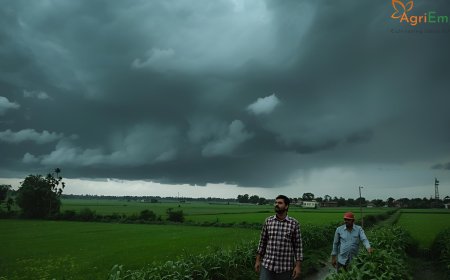
The India Meteorological Department (IMD) has issued an important forecast for September 2025, predicting that the month will receive 109% of the long-period average rainfall. This is significantly higher than the standard benchmark of 167.9 mm, indicating that rains will continue to dominate even as the season heads into its final phase. After a robust monsoon performance in August, which brought relief to farmers and improved water storage levels across reservoirs, this extended spell of rain suggests that the monsoon’s withdrawal will be delayed, keeping weather conditions wetter than usual well into September.
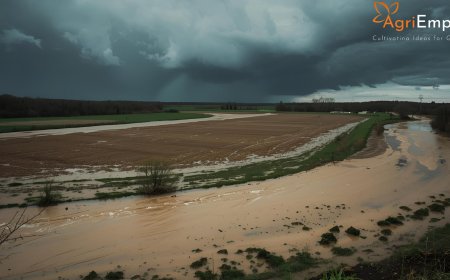
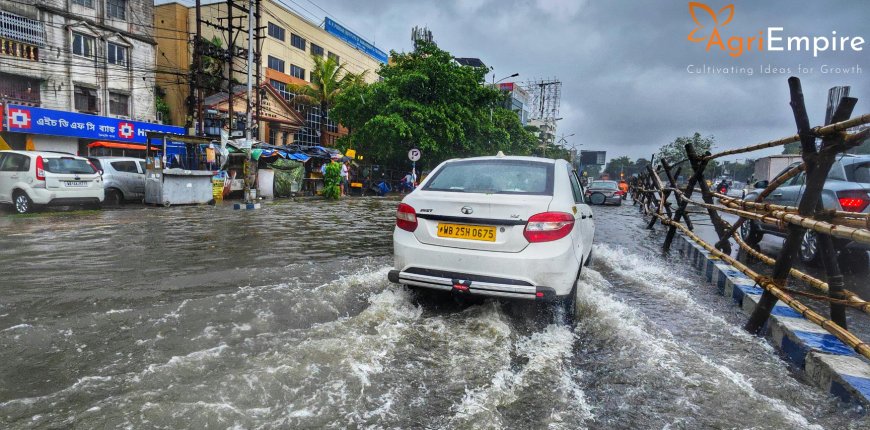
Experts point out that while such rainfall is welcome news for many farmers, especially those with late-sown crops such as pulses, millets, and oilseeds, the excessive precipitation could also create challenges. States in the northern and hilly regions like Himachal Pradesh, Uttarakhand, and Jammu & Kashmir are particularly vulnerable to flash floods and landslides due to the saturation of soil and fragile mountain slopes. The IMD’s Director General, Mrutyunjay Mohapatra, has highlighted that a combination of monsoon currents and western disturbances may prolong the retreat, thereby intensifying rainfall activity in sensitive zones.
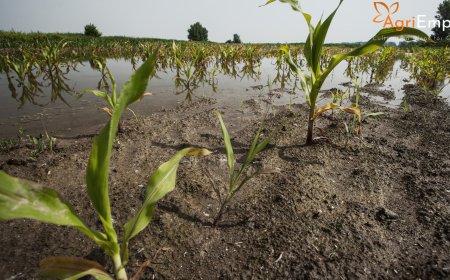
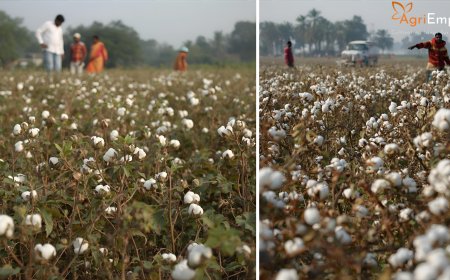
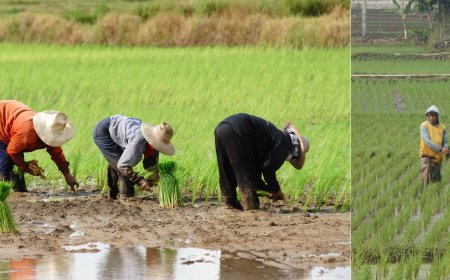
From an agricultural perspective, the rains bring both opportunities and risks. On one hand, crops sown late in the season stand to gain from ample soil moisture, ensuring healthy plant growth and increased yields. On the other hand, crops that are nearing harvest such as paddy and cotton may suffer losses from waterlogging, fungal attacks, and delayed harvesting schedules. This dual nature of the rains has left farmers in different states cautiously optimistic but also prepared for unexpected damage.
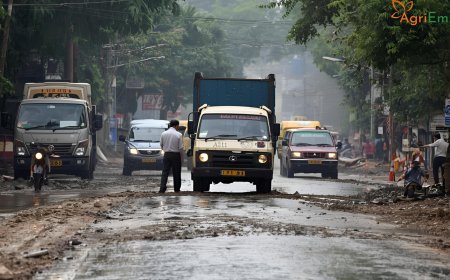
The rainfall pattern observed in August 2025 was already exceptional, marking the heaviest precipitation in northwestern India since the 1980s. That trend now appears to be extending into September, raising the possibility of localized flooding, transport disruptions, and infrastructural damage. Yet, the positive side remains significant: fuller rivers, rising groundwater tables, and replenished reservoirs will ensure better irrigation prospects for the upcoming rabi season, giving farmers hope for improved productivity in the months to come.

Authorities at both state and district levels are being urged to strengthen disaster preparedness mechanisms. Flood zoning, improved drainage, emergency relief measures, and farmer advisories on crop protection have become urgent needs. IMD has advised proactive communication with farmers through digital and local channels so that they can adjust harvesting and storage plans accordingly. If implemented well, these strategies can help balance the blessings and threats of September’s above-normal rains, safeguarding both rural livelihoods and broader economic stability.