





















Revised GR Will Reduce Farmers’ Compensation by 40%, Say Activists
Farmer activists in Maharashtra have raised concerns that the revised government resolution (GR) on compensation policies could reduce payouts by nearly 40%. The change, they argue, will severely affect already distressed farmers facing crop losses from erratic rains and natural disasters.

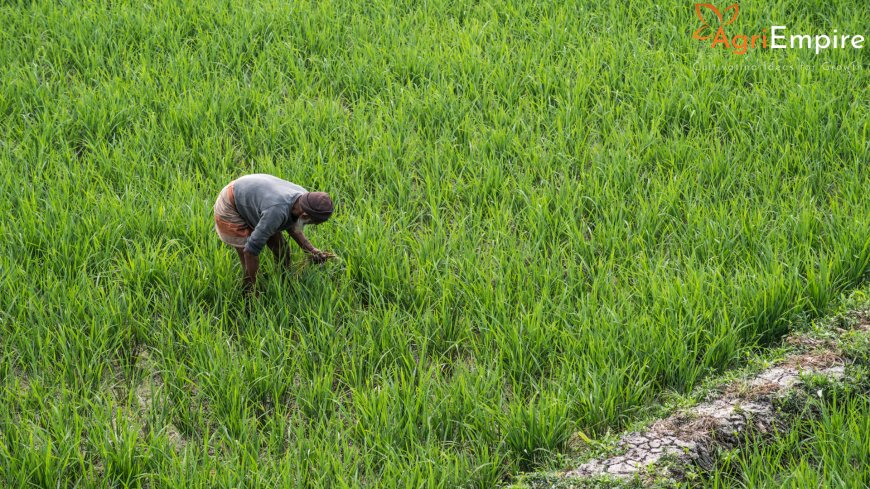
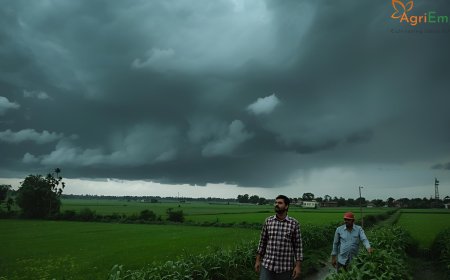
The recent revision of the Government Resolution (GR) regarding farmer compensation in Maharashtra has sparked strong criticism from farmer groups and activists. According to their claims, the new guidelines could potentially slash compensation benefits by nearly 40% compared to earlier provisions. This comes at a time when farmers across the state are already facing mounting challenges due to heavy rainfall, recurring floods, and unstable crop markets. Activists argue that instead of providing relief, the revised GR adds to the hardships of cultivators.
One of the key concerns raised is that the calculation mechanism for crop loss and compensation has been altered in a way that reduces the financial relief available to farmers. Previously, compensation amounts were more favorable, offering farmers some breathing space in the aftermath of natural calamities. However, under the new framework, payouts are set to shrink significantly, leaving farmers vulnerable and unable to recover from losses quickly. This is particularly worrying for small and marginal farmers who depend entirely on seasonal harvests for survival.
Farmer organizations across Maharashtra, including those from drought-prone and rain-sensitive districts, have come together to protest the decision. Leaders argue that the revised GR not only disregards the realities of farming but also contradicts promises of farmer welfare made by the state government. Many farmer groups have demanded the immediate withdrawal of the new policy and a return to the earlier system that provided relatively higher compensation during crises. Rallies, petitions, and representations are being planned to pressure authorities into reconsideration.
Economists and rural policy experts also warn that cutting down farmer compensation at this juncture could have far-reaching consequences on the rural economy. With already high rates of farmer indebtedness and recurring cases of crop failure, lowering compensation could push many households deeper into poverty. Reduced payouts may also lead to increased migration from villages to cities as families struggle to make ends meet, further straining urban resources and disrupting social structures in rural Maharashtra.
Despite the criticism, government officials maintain that the revised GR aims to streamline compensation processes and ensure better fiscal discipline. They argue that while payouts may appear reduced, the policy is designed to bring uniformity and efficiency in disbursal. However, activists remain unconvinced and insist that the changes must be rolled back to prevent another wave of agrarian distress. The coming weeks are likely to see intensified discussions, debates, and protests as farmer organizations continue their struggle to safeguard compensation rights.