

























Maharashtra Forecast: Above-Normal Rainfall Expected in September Amid Active Monsoon Conditions
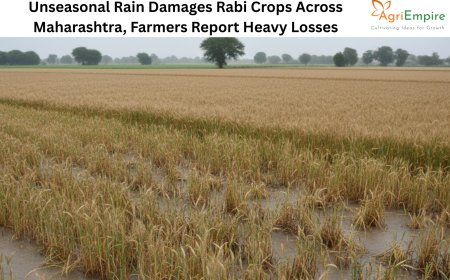
The IMD predicts above-normal rainfall across Maharashtra in September, with continued monsoon activity expected through mid-month. While Marathwada and Konkan received heavy rains, parts of central Maharashtra may see normal to below-normal precipitation—making trimester agricultural planning essential.

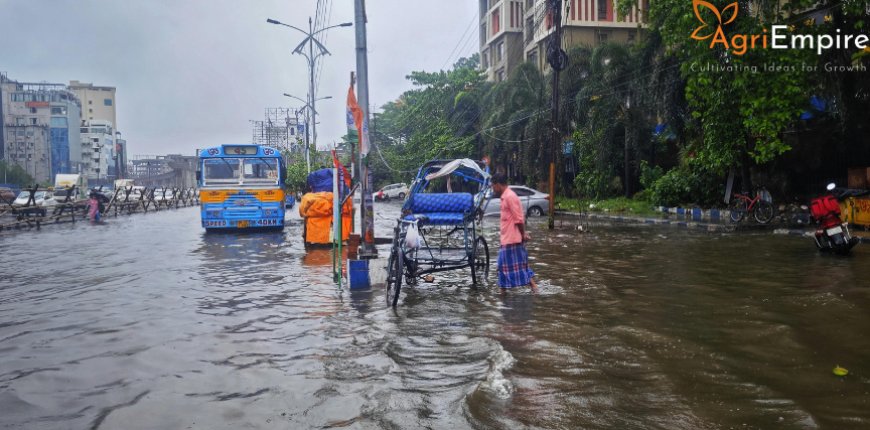
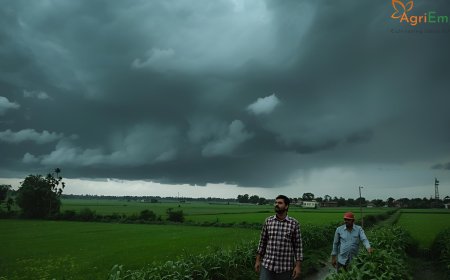
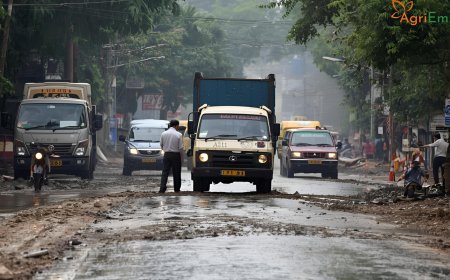
The India Meteorological Department (IMD) has forecast above-normal rainfall across most of Maharashtra in September, signaling an extended active monsoon. This update underscores that the monsoon is not withdrawing early; in fact, mid-month retreat appears highly unlikely. A fresh low-pressure system forming over the Bay of Bengal is expected to sustain widespread rain, particularly over coastal and central parts of the state. Farmers growing late-sown kharif crops are likely to benefit, although localized disparities may emerge.
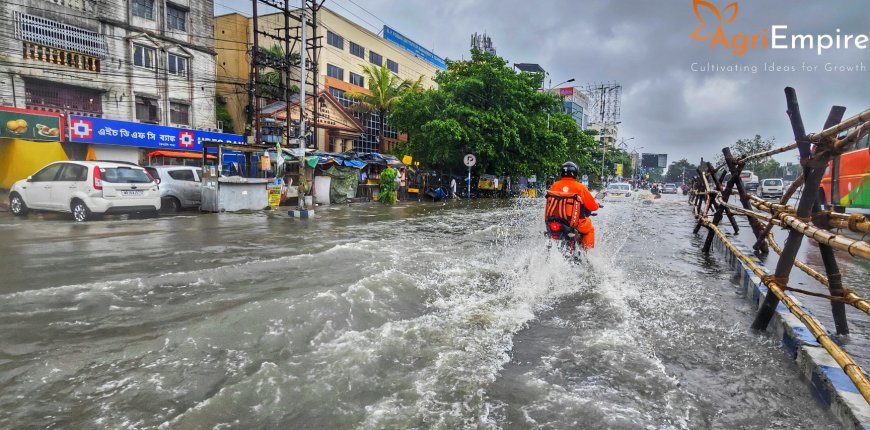
August delivered 331.8 mm of rain against a normal of 280.2 mm—an 18% surplus overall. The Konkan division fared strongly with 1014.5 mm, representing a 37% excess, while Marathwada recorded an even more dramatic 65% surplus with 290.9 mm. In contrast, central Maharashtra (217.5 mm vs. 201.2 mm) and Vidarbha (278.3 mm vs. 297.1 mm) remained in the 'normal' rain zone, offering a mixed picture leading into September.
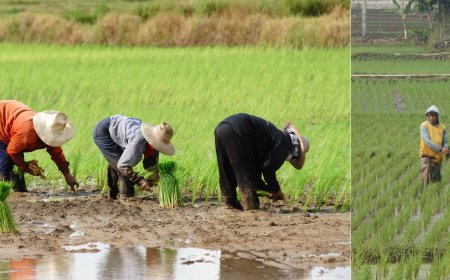
The forecasted pattern—with surplus rain expected statewide but possible below-normal pockets in southern Marathwada and central Maharashtra—brings both promise and caution. While paddy and allied crops can capitalize on consistent rainfall, these variations may affect irrigation schedules and sowing of rabi crops. Authorities must therefore balance reservoir management with adaptive support for struggling districts.
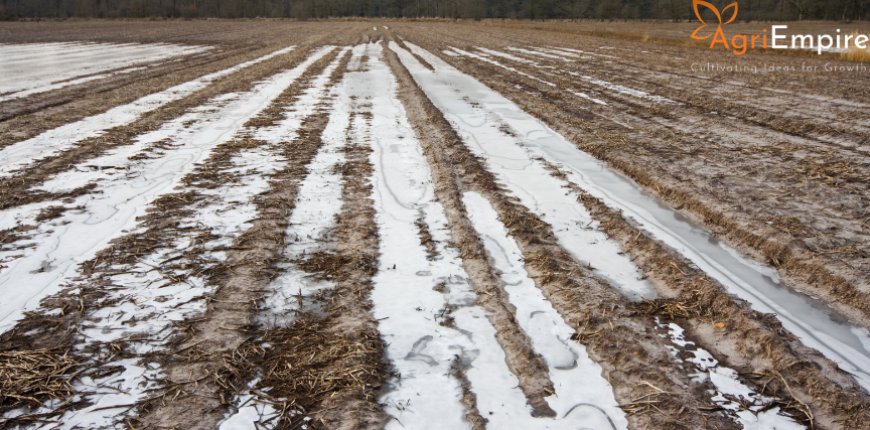
IMD’s Director-General, Mrutyunjay Mohapatra, noted that neutral ENSO (El Niño–Southern Oscillation) conditions over the equatorial Pacific may be stabilizing monsoon behavior. This helps explain the sustained rain and delayed withdrawal. The combination of this favorable climate regime and an upcoming cyclonic system offers a window of opportunity to replenish aquifers—vital for Maharashtra’s agriculture-dependent economy.
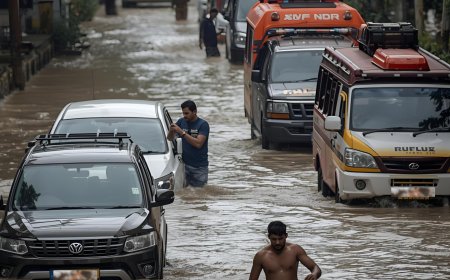
This forecast is crucial for farmers, planners, and disaster-preparedness agencies alike. Residents in flood-prone zones should remain vigilant, while policymakers must ensure that water distribution prioritizes both agricultural needs and flood risk mitigation. Targeted advisories and localized rainfall monitoring can help reduce disruptions and enhance the state’s resilience to monsoon variability.