

















Maharashtra to Expand Drip Irrigation Coverage in Drought-Prone Regions
The Maharashtra government plans to expand drip irrigation coverage in drought-prone districts to improve water efficiency, boost crop productivity, and reduce farmers’ dependence on erratic rainfall and groundwater.

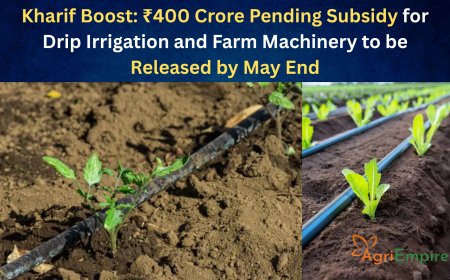
The Maharashtra government has announced plans to significantly expand drip irrigation coverage in drought-prone regions of the state. This move is aimed at helping farmers manage water more efficiently in areas where rainfall is uncertain and groundwater levels are declining. Districts that frequently face water scarcity are expected to benefit from improved irrigation infrastructure, enabling farmers to provide controlled water supply directly to crop roots. The initiative reflects a growing focus on sustainable water use in agriculture, especially in regions vulnerable to climate stress.
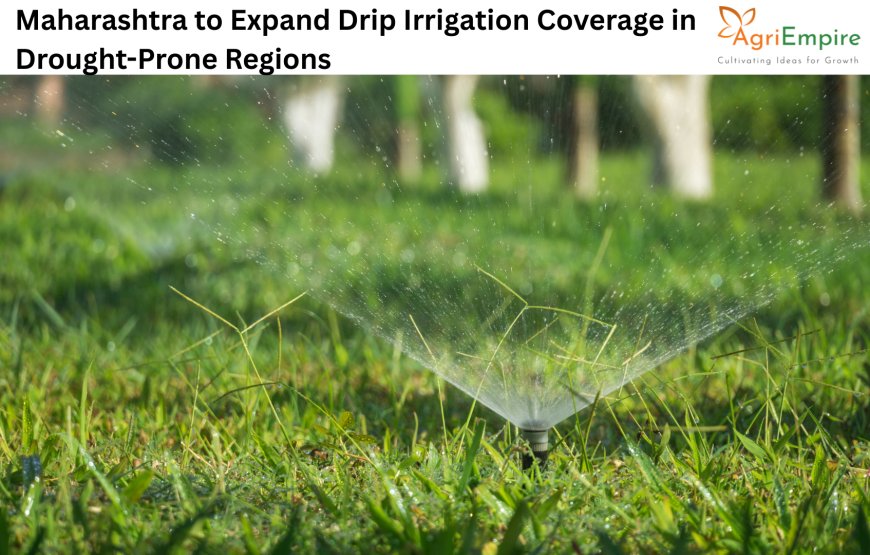
Drip irrigation systems allow precise delivery of water, reducing wastage and evaporation compared to traditional flood irrigation methods. By providing moisture directly to the plant’s root zone, the system improves water-use efficiency and enhances nutrient uptake. Farmers adopting micro-irrigation often report better crop growth, reduced weed infestation, and improved yields. In water-scarce areas, such technologies can play a critical role in ensuring that limited water resources are used optimally throughout the cropping season.
The expansion program is expected to be supported by government subsidies and technical guidance to encourage wider adoption among small and marginal farmers. Many farmers hesitate to adopt drip irrigation due to the initial installation cost and lack of awareness about long-term benefits. By offering financial assistance, training, and easy access to equipment, authorities aim to remove these barriers. Local agricultural officers and extension workers are also expected to conduct field demonstrations to build farmer confidence in micro-irrigation systems.
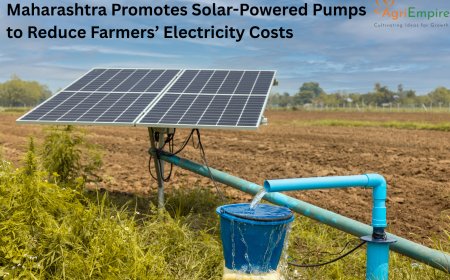
Experts believe that improved irrigation practices can significantly increase resilience against drought conditions. When crops receive timely and adequate water, they are better able to withstand heat stress and short dry spells. In addition to saving water, drip irrigation can reduce electricity consumption for pumping and lower fertilizer losses through leaching. Over time, these efficiency gains can improve farm profitability and reduce the environmental footprint of agriculture in drought-affected regions.
The initiative aligns with broader efforts to modernize Maharashtra’s agricultural sector and promote climate-resilient farming. By investing in water-efficient technologies, the state aims to secure long-term agricultural productivity and protect farmer livelihoods. If implemented effectively, the expansion of drip irrigation coverage could serve as a model for other water-stressed regions in the country, demonstrating how smart water management can support sustainable and profitable farming systems.