












Maharashtra Promotes Solar-Powered Pumps to Reduce Farmers’ Electricity Costs
Maharashtra is accelerating the installation of solar-powered irrigation pumps to reduce electricity expenses, ensure reliable water supply, and promote sustainable energy use in agriculture.

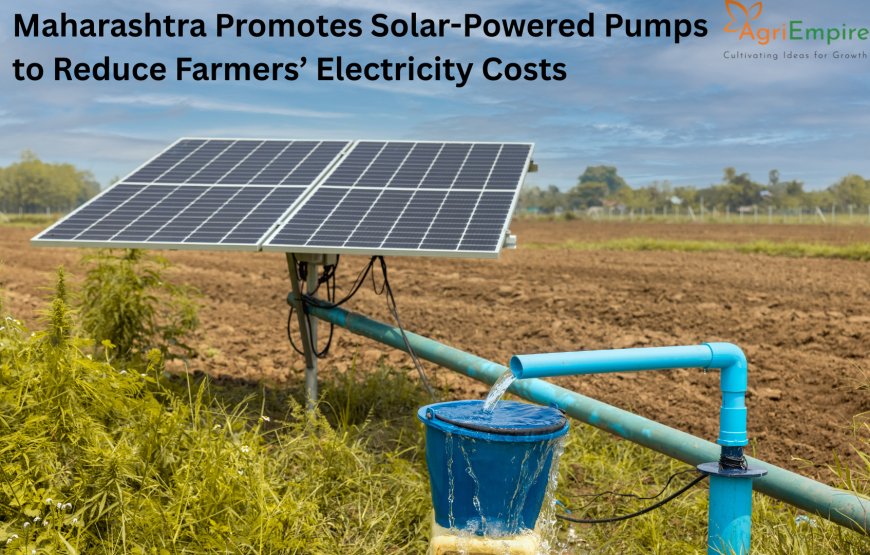
The Maharashtra government is strengthening its push towards renewable energy in agriculture by expanding the use of solar-powered irrigation pumps. This initiative aims to reduce farmers’ dependence on conventional electricity and diesel pumps, which often lead to high operational costs and irregular power supply. By adopting solar technology, farmers can ensure a steady water supply for their crops while lowering long-term expenses.
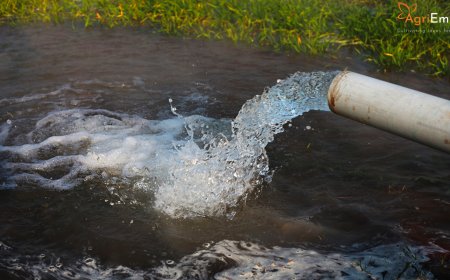
Solar irrigation pumps work by converting sunlight into electricity through photovoltaic panels, which then power water pumps directly in the fields. Unlike grid-based systems, these pumps function independently and reduce delays caused by power cuts. For farmers in remote villages, where electricity supply may be unreliable, solar pumps provide a dependable alternative that supports timely irrigation during critical crop growth stages.
To encourage adoption, the state is offering subsidies and financial assistance, particularly targeting small and marginal farmers. The upfront installation cost is often a concern, but government support helps make the technology affordable. Over time, savings from reduced electricity bills and diesel expenses can significantly improve farm profitability.
Beyond economic benefits, solar-powered irrigation contributes to environmental sustainability. Reduced use of fossil fuels lowers greenhouse gas emissions and supports clean energy goals. Efficient water management combined with renewable power can help Maharashtra build a climate-resilient agricultural system in the face of increasing weather uncertainties.
The expansion of solar irrigation infrastructure reflects a broader strategy to modernize agriculture through green technologies. By integrating renewable energy solutions, the state aims to improve farm productivity, enhance income stability, and create a sustainable rural economy for the future.