


















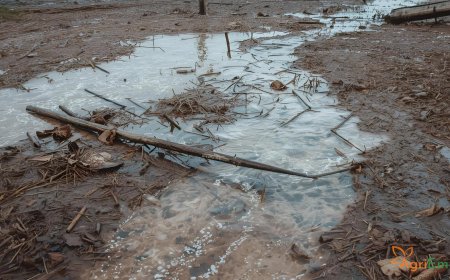






Heavy Rains Devastate Kharif Onion Cultivation in Nashik; Sowing Area Slashed Nearly 50%
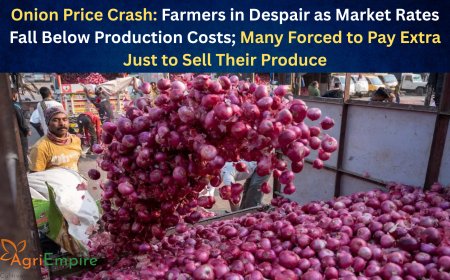
Excessive rainfall in Nashik district has disrupted kharif onion sowing, reducing planted area from 30,000 ha last year to just 6,000 ha so far. While late planting might restore acreage, the delay raises concerns about supply and timing of market arrivals.

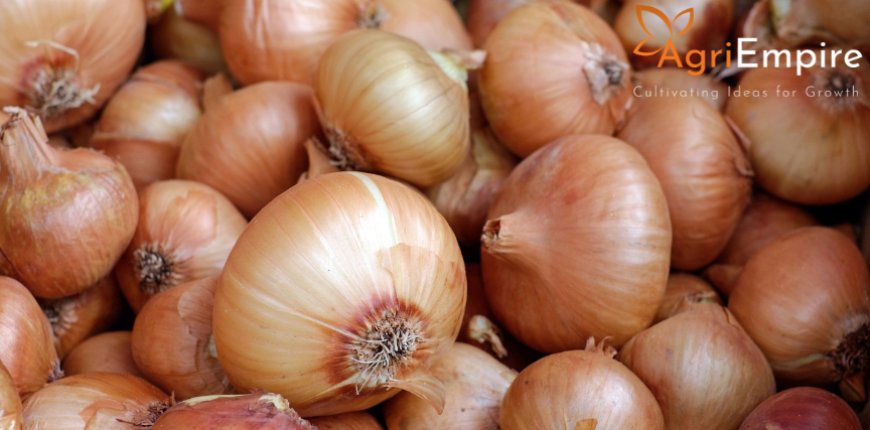
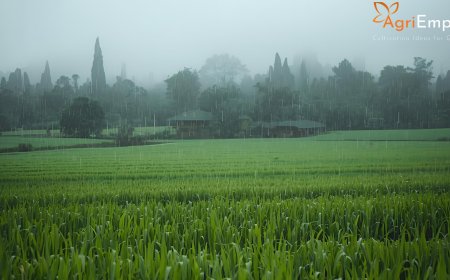
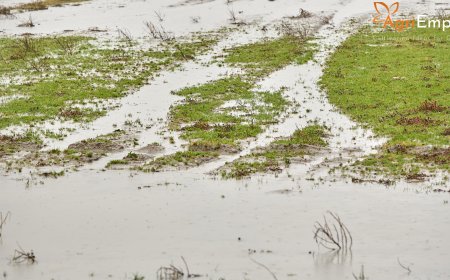
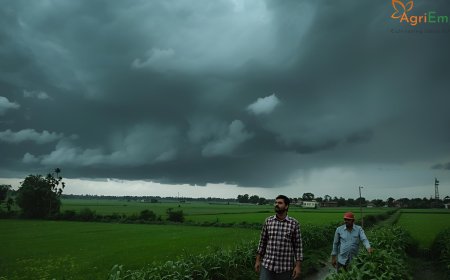
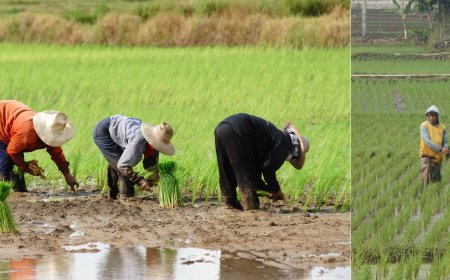
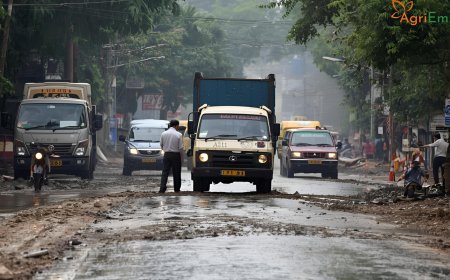
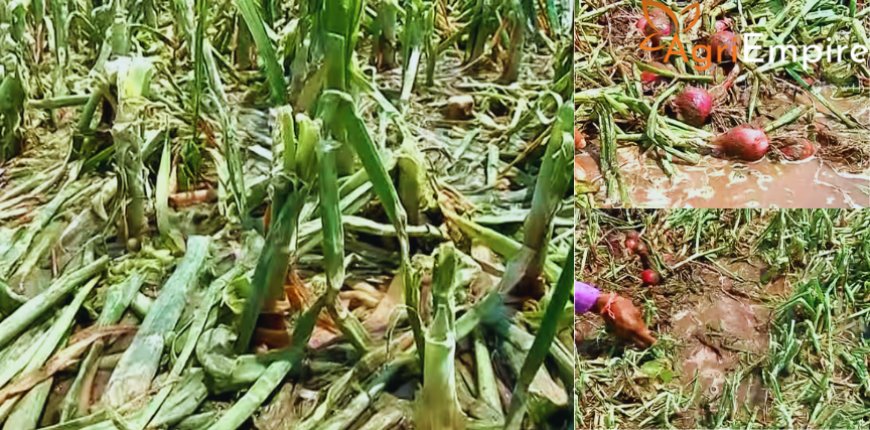
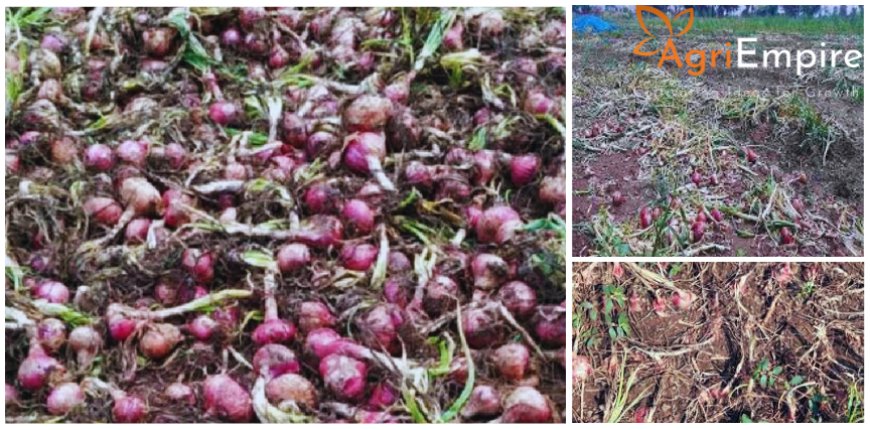
Continuous heavy rainfall has struck a severe blow to kharif onion cultivation in Maharashtra's Nashik district, reducing the planted area dramatically from 30,000 hectares last year to just 6,000 hectares as of August 31. The torrential rains have caused extensive damage to onion nurseries, preventing seedling growth and delaying the sowing process. This decline of nearly 50% in sowing area is a major setback for India's onion capital, which supplies a large portion of national and export markets.
Although there remains a planting window until September 15, the agriculture department estimates it may be possible to bring the total sown area up to 15,000 hectares if conditions improve quickly. However, the delay has already disrupted the normal cropping calendar, and officials warn that supply impacts may begin to be seen as early as mid-October when arrivals to the APS (Agricultural Produce Markets) are usually at their peak.
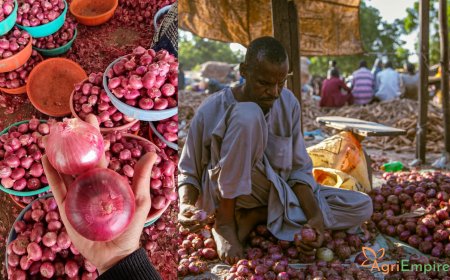
Bharat Dighole, president of the Maharashtra State Onion Growers' Association, confirmed that the nursery damage has critically undermined planting plans. Farmers now anticipate delayed arrivals of kharif onions at the APMCs—shifting from mid-October to late October, with bulk arrivals expected only by the end of November. Despite this delay, producers assure that ample stocks of summer onions are available to meet demand until late November, averting an imminent shortage or price spike.
While losses are significant, the situation is manageable with strategic adjustments. By increasing late kharif (October–November) planting sufficiency and leveraging existing summer onion reserves, Nashik’s agriculture ecosystem is showing resilience. Still, monitoring and quick response are essential to ensure market stability and farmer livelihoods are protected.
Authorities are urged to provide timely support—facilitating nursery rehabilitation, encouraging late sowing, and ensuring swift market access for onion produce. With adaptive measures, stakeholders hope to stabilize the crop season and minimize disruptions to both growers and consumers.