
















Heavy August Rains in Maharashtra Disrupt Agriculture
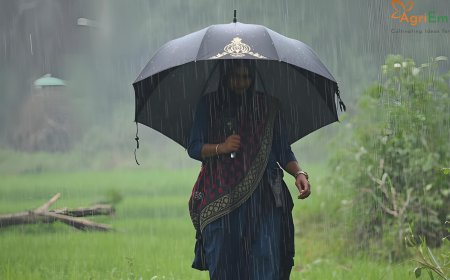
Unprecedented heavy rains across Maharashtra in August have severely disrupted agriculture, damaged crops, displaced farmers, and strained both rural and urban infrastructure.

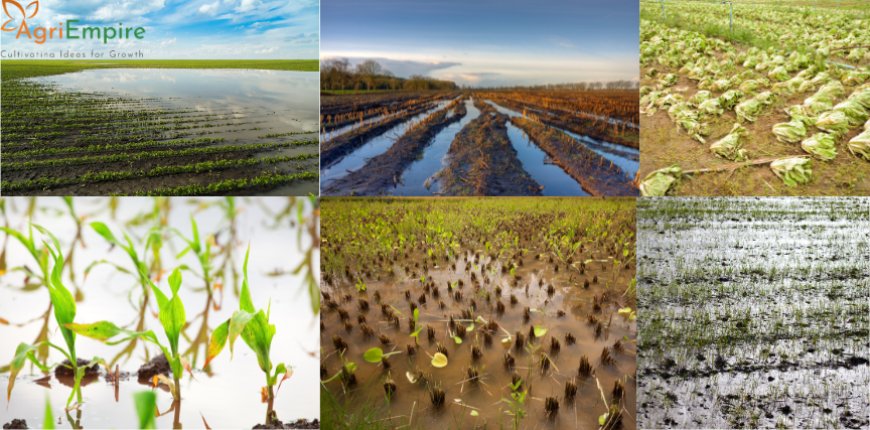
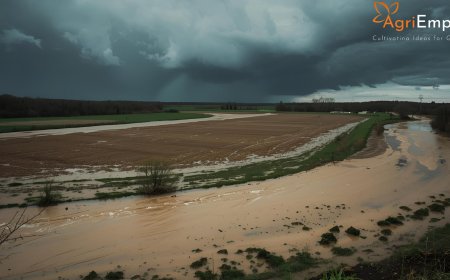
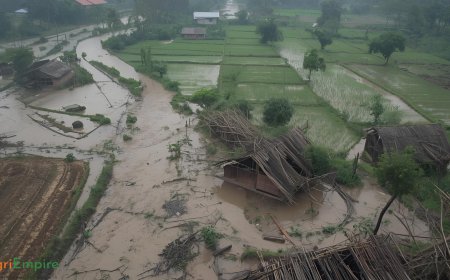
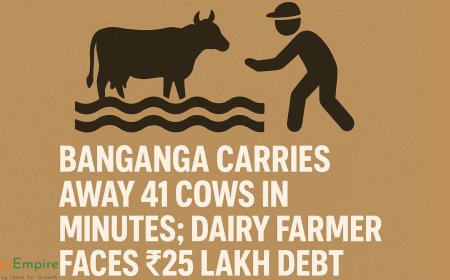
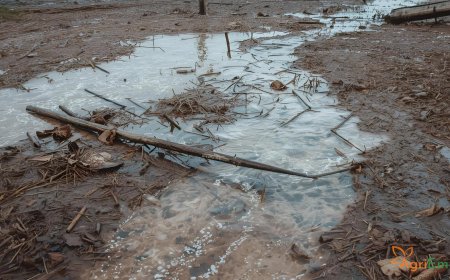
The state of Maharashtra is facing an unprecedented crisis as heavy rains throughout August have caused widespread devastation in rural and urban regions alike. The incessant downpour has led to severe flooding in many districts, destroying thousands of acres of standing crops and leaving farmers in despair. Experts note that while monsoon rains are vital for agriculture, the unusual intensity and irregular pattern this year have disrupted the seasonal cycle, creating heavy losses for the farming community.
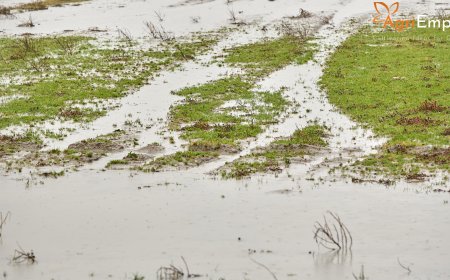
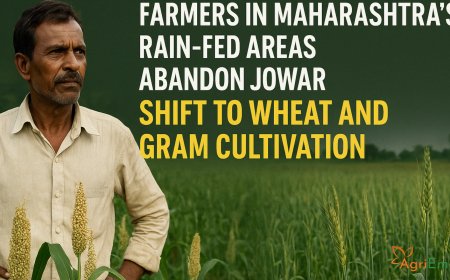
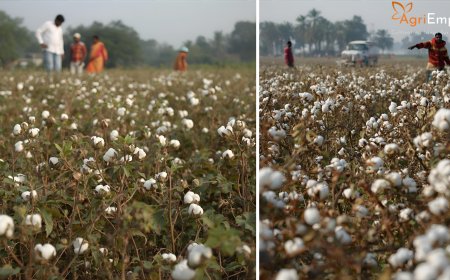
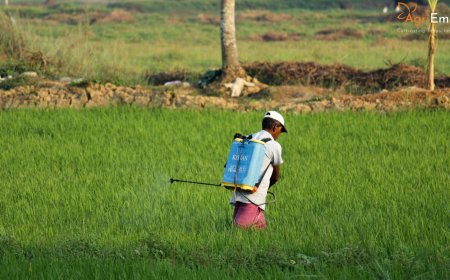
Farmers across key agricultural belts, including Marathwada, Vidarbha, and Western Maharashtra, have reported massive damage to staple crops such as soybean, cotton, pulses, and sugarcane. In many areas, fields remain submerged for days, leading to crop rotting and soil degradation. For small and marginal farmers, this loss is devastating, as it wipes out not only their investment but also their annual source of livelihood. Many are now burdened with debts, further compounding the agrarian distress.
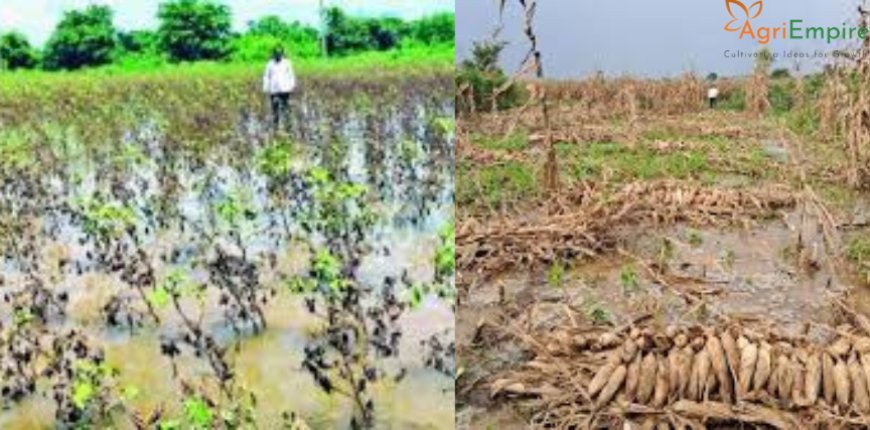
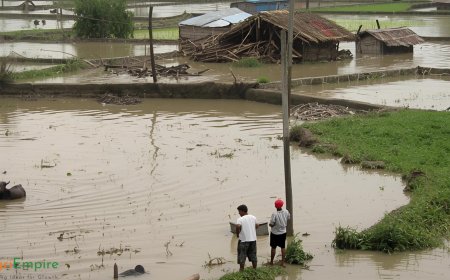
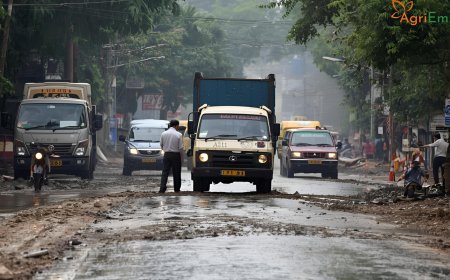
The situation has triggered rural-to-urban migration, with affected families leaving their villages in search of temporary shelter and employment in cities. However, this movement is straining urban infrastructure, as towns and cities are also grappling with waterlogging, transport disruptions, and power outages. The dual impact on both rural agriculture and urban infrastructure highlights the scale of this climate-driven challenge.
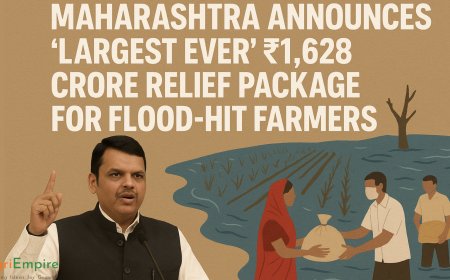
The state government has begun assessment drives to estimate the crop loss and has announced immediate relief packages. Compensation schemes, loan restructuring, and emergency supplies are being promised to provide some relief to the distressed farming population. However, farmer organizations argue that the measures are inadequate and demand long-term strategies, such as improved irrigation facilities, crop insurance coverage, and better flood management systems.
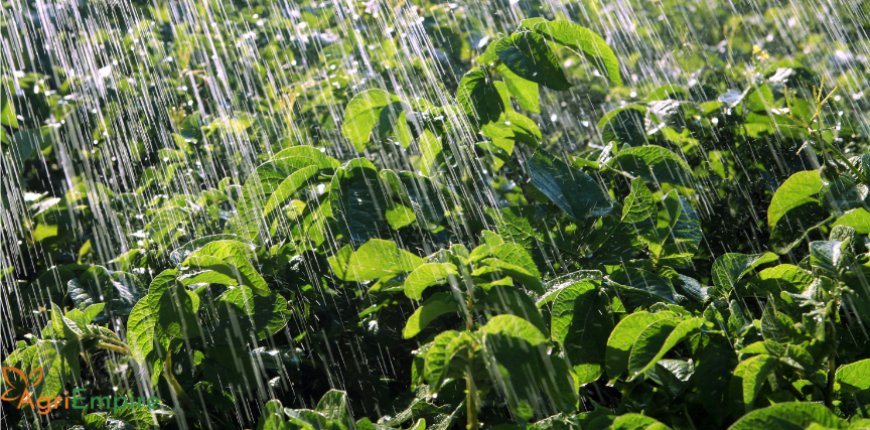
Environmental experts warn that extreme weather events like these will become more frequent in the coming years due to climate change. They emphasize the urgent need for sustainable agricultural practices, watershed management, and climate-resilient crop varieties to protect farmers from recurring losses. Maharashtra’s agricultural crisis this August stands as a stark reminder of the vulnerability of farming communities to unpredictable weather patterns and the urgent necessity for systemic policy changes.