















Rain Brings Relief to Vidarbha Farmers During Ganesh Festival
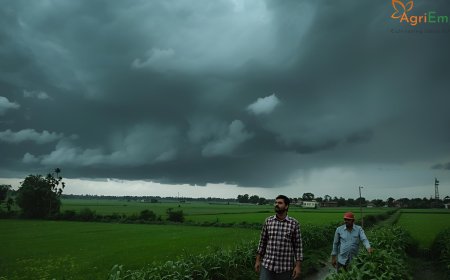
During Ganeshotsav, much-needed rainfall reached Vidarbha—particularly in Akola, Amravati, and Washim—alleviating a 20%+ rainfall deficit and lifting drought-like conditions, offering relief to both farmers and residents.

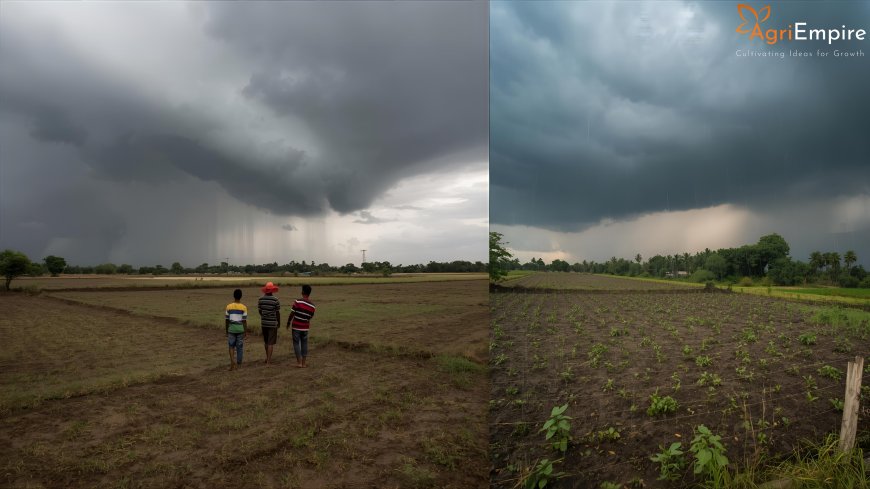
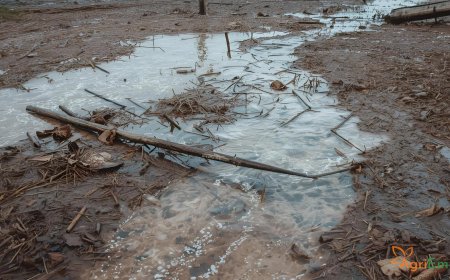
The long-awaited respite arrived for the parched Vidarbha region during the Ganesh festival as rain clouds finally opened up, delivering significant precipitation across Akola, Amravati, and Washim districts. Just two weeks prior, these areas were confronting a rainfall deficit exceeding 20%, creating dire conditions for rain-dependent agriculture. The deluge, therefore, lifted the heavy blanket of drought anxiety that had been looming over local communities.
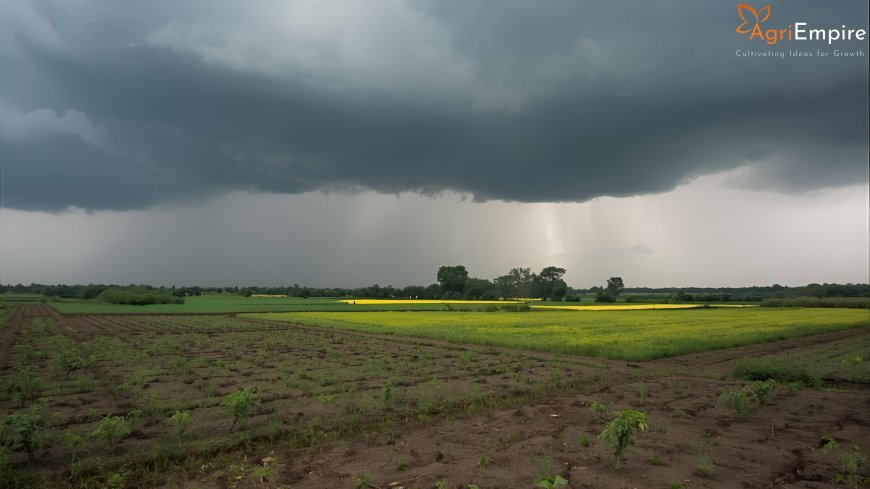
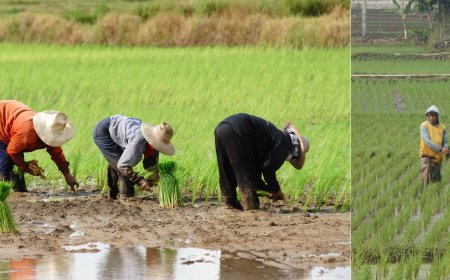
For farmers who had watched fields dry and livelihoods hang by a thread, the rainfall was nothing short of a blessing. The moisture has replenished dry soils, allowing sowing activities to proceed more confidently and ensuring crops have a fighting chance. Community leaders report that this change has sparked optimism among rural households, many of whom had started scaling back plans in anticipation of continued dryness.
Meteorologists attribute this welcome break to a seasonal weather shift that coincided with Ganeshotsav—a timing that brought both symbolic and tangible comfort to the farming belt. Officials have highlighted that while the amount of rain varied across regions, even modest showers have helped restore ground moisture, bringing critical relief in the nick of time before the onset of the next sowing cycle.
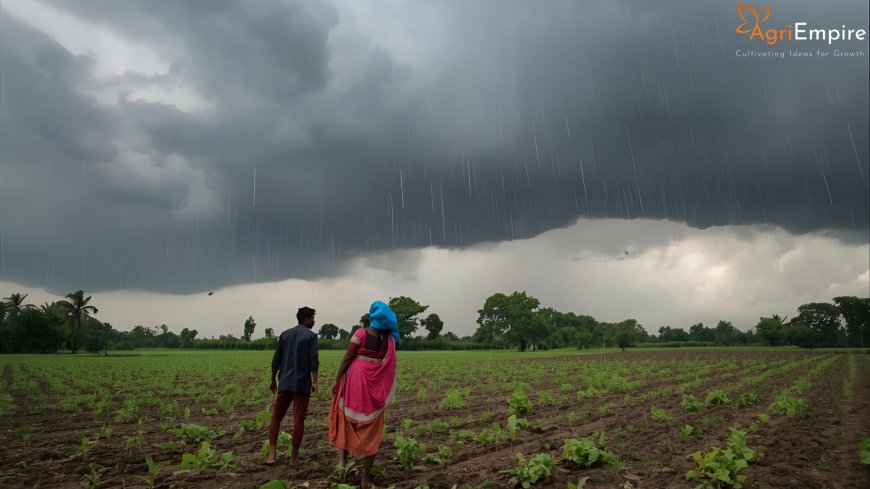
While the rainfall does not signal an end to Vidarbha’s hydrological stresses, it does mark a vital turning point. Agricultural authorities caution that continued monitoring is essential to assess the longer-term impact on water tables and crop health. Nonetheless, for now, farmers are breathing easier, knowing that the immediate crisis has been mitigated—thanks to this timely rainfall.
Policymakers and rural planners are urged to capitalize on this moment—strengthening water retention methods, ensuring equitable access to irrigation, and providing input subsidies to support sowing. With climate variability at an all-time high, ensuring such periodic rainfalls translate into durable agricultural stability is both urgent and imperative.