



























Haryana’s Jind Sees 37% Spike in Rainfall, Crops Destroyed
Jind district in Haryana has recorded 37% higher rainfall compared to last year. The excess rain has destroyed large tracts of paddy crops, submerged villages, and created deep distress among farmers, forcing them to consider replanting and seek compensation.


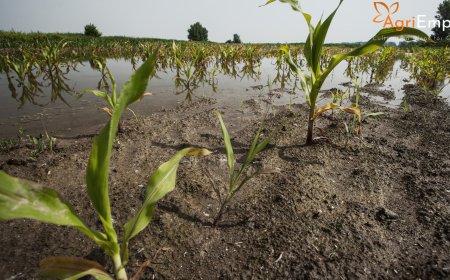
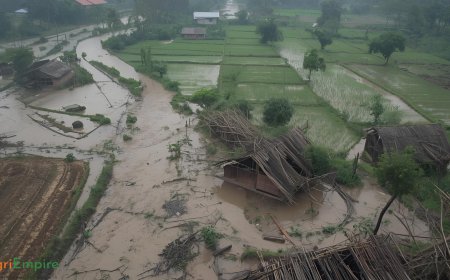
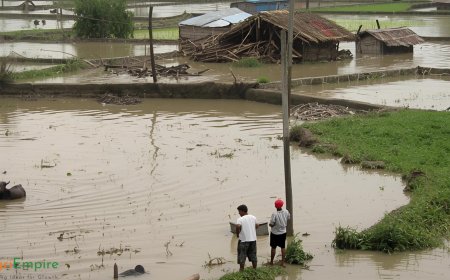
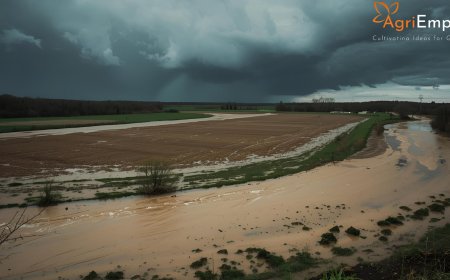
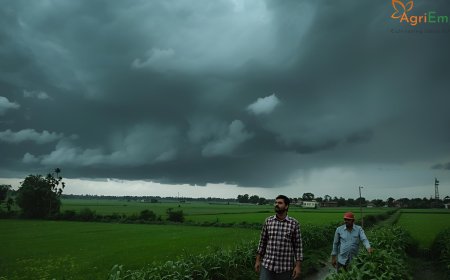
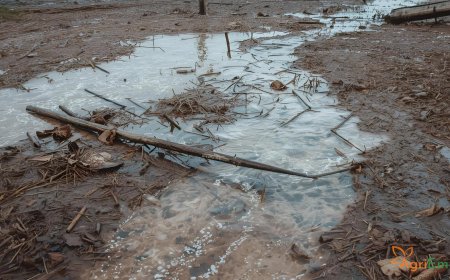
The district of Jind in Haryana is reeling under the impact of unusually heavy monsoon showers, which have surged by 37% compared to last year (2023). The excess rainfall, though initially welcomed by farmers, soon turned disastrous as vast tracts of paddy fields were submerged. Villages in low-lying areas reported waterlogging, forcing families to shift temporarily to safer places. This extreme spell of rain has disrupted both agricultural activities and rural life.
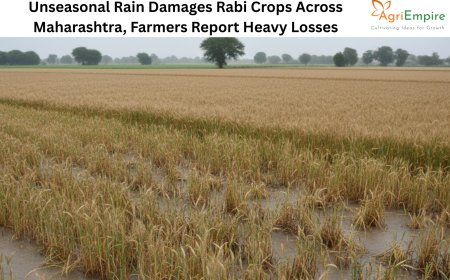
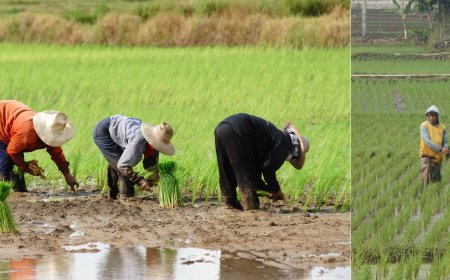
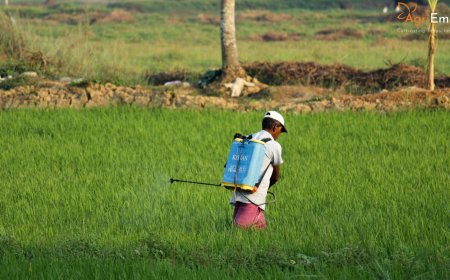
Farmers in Jind are among the worst hit, with standing paddy crops destroyed just weeks before harvest season. Agricultural experts point out that paddy, being highly water-sensitive, can tolerate only limited excess moisture. With fields inundated for days, the roots began to rot, leading to a near-total loss for many cultivators. The unexpected damage has triggered widespread farmer distress, as inputs like seeds, fertilizers, and labor costs are now wasted.
Local officials have begun surveying the affected villages to assess the damage. Early estimates suggest thousands of acres of farmland have been affected, with small and marginal farmers bearing the maximum losses. The state government has assured that compensation will be provided under the crop insurance scheme. However, farmers argue that the existing relief measures are insufficient to cover actual losses.
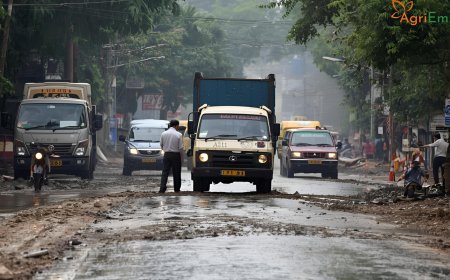
The floods have also impacted rural connectivity and drinking water sources. Roads leading to mandis and villages have been damaged, while water contamination is raising health concerns. Many families are struggling with safe shelter, as stagnant water has entered homes and farmlands alike. This has prompted calls for better drainage systems and flood management strategies in Haryana’s agrarian districts.
Experts emphasize that the increasing frequency of extreme rainfall events is a sign of shifting climate patterns. Unless long-term solutions such as climate-resilient crop varieties, better irrigation infrastructure, and disaster preparedness are adopted, districts like Jind may continue to face such devastating losses in the future.